In this story
Why Crate Training Can Be a Lifesaving Tool for Your Toronto Dog
As a dog owner in Toronto, you’re part of a vibrant community where our canine companions bring endless joy. But with that joy often comes responsibility – especially when it comes to house-training and ensuring our dogs feel safe and secure. One of the most valuable tools we can provide, especially in our bustling city environment, is crate training. While some people have misconceptions about it, for most dogs, introducing them to a crate properly can be incredibly beneficial, offering security, aiding training, and even contributing to their overall well-being.
What is Crate Training?
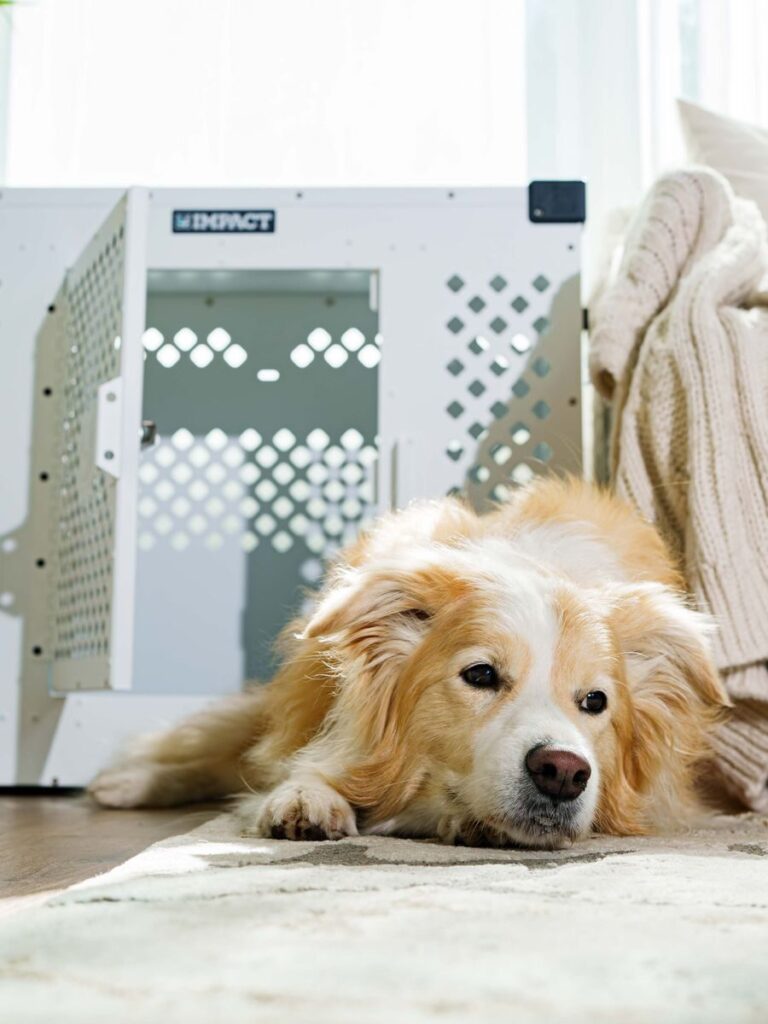
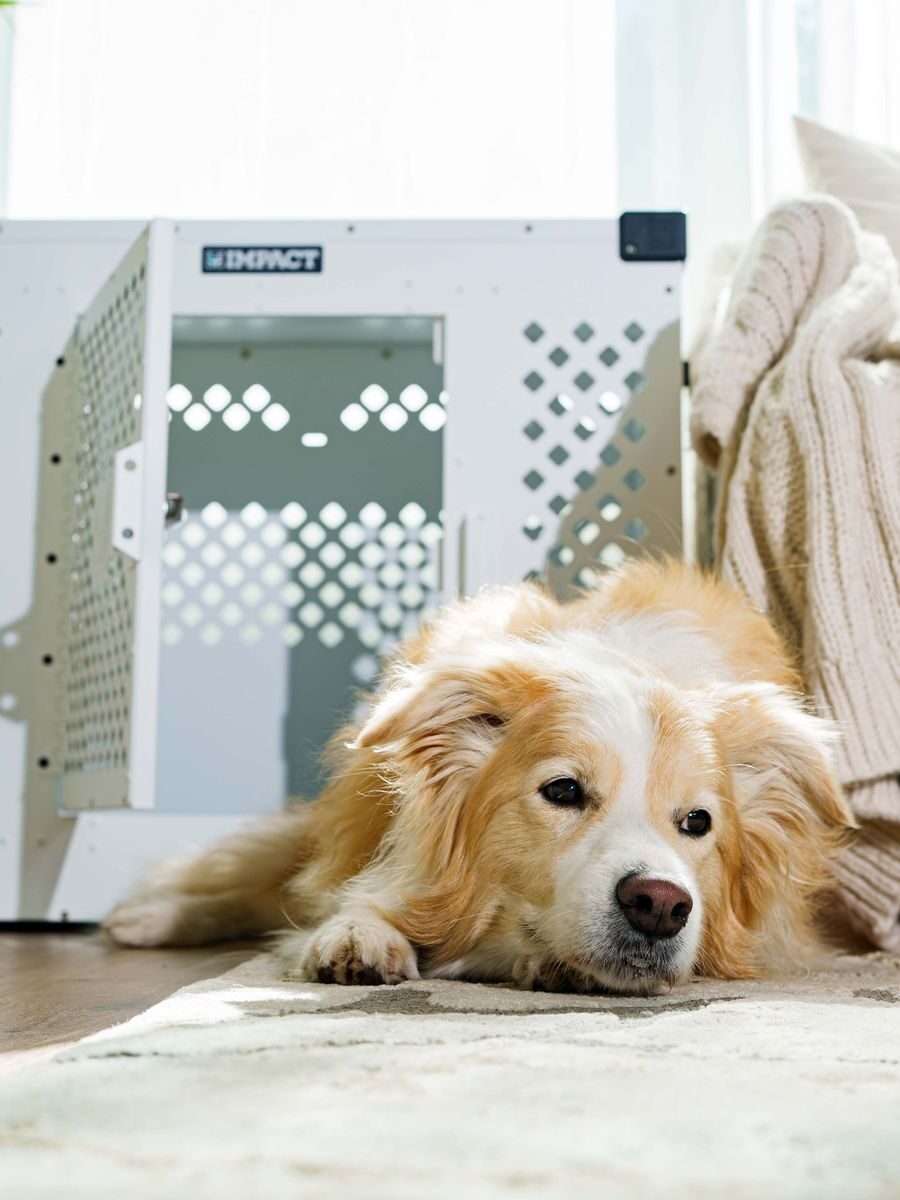
At its core, crate training involves teaching your dog to view their crate – a safe, enclosed space – as a positive, den-like environment. It’s not about confining them unnecessarily, but rather about providing a private, secure area they can retreat to when feeling overwhelmed, tired, or needing a moment to themselves. Think of it like offering your dog their own cozy corner in the living room.
The Surprising Benefits of a Crate for Most Dogs
Many wonder, ‘Why do dogs need to be crated?’ The answer often lies in the natural canine instinct. Dogs, much like their wolf ancestors, have a den instinct. A crate can satisfy this need for a safe, private space within the often-stimulating environment of a Toronto home or apartment. Here’s why this can be advantageous:
1. A Safe Haven in a Busy World
Toronto’s urban landscape, while wonderful, can be overwhelming. From the bustle of the subway to the sounds of a busy street outside, our city homes offer constant stimulation. A crate provides an immediate escape – a quiet, dark, and cozy space where a dog can retreat if they feel overstimulated or anxious. This is particularly helpful during thunderstorms, fireworks (which unfortunately still happen in Toronto sometimes), or when unexpected guests are visiting.
2. Positive Tool for House Training
This is perhaps the most commonly cited benefit. House training relies on associating indoor spaces with the need to eliminate appropriately. A crate allows you to control where your dog isn’t eliminating – keeping the crate clean and positive encourages them to hold their business until they can go outside. When they are calm and in their crate, it’s easier to know it’s time to take them out. This system works best when combined with regular potty breaks.
3. Preventing Accidents and Harm
In a city apartment or even a larger home, accidents can happen. A crate can be a crucial tool for preventing destructive chewing (especially during potty training or when you can’t supervise), stopping your dog from accessing the garbage bin (reducing the risk of ingestion), and keeping them safe around potentially dangerous household items or holiday decorations. It’s a responsible way to ensure your dog’s safety when you can’t be watching them constantly.
4. Ease of Mind for Owners
Let’s be honest, dog ownership in Toronto can be demanding. Whether you’re at work, running errands, or simply need a break, knowing your dog is safely contained in their crate can provide immense peace of mind. It reduces the risk of accidents and destructive behaviour while you’re away.
Introducing Your Dog to Their Crate: A Gentle Approach
The key to successful crate training is positive association. Introduce the crate slowly and make it a happy place.
- Go Slow: Don’t rush it. Let your dog approach the crate on their own terms initially. Ignore it if they don’t show interest right away.
- Positive First Encounters: Place high-value treats inside the crate or toss treats near it to encourage exploration. Keep sessions short and fun.
- Gradual Acclimation: Once your dog is comfortable entering and exiting, close the door briefly while they’re inside with treats. Gradually increase the time they spend inside with positive reinforcement.
- Keep it Clean: Always keep the crate clean. If your dog has an accident outside, don’t punish them inside the crate – that creates negative associations.
- Never Use the Crate for Punishment: This is crucial. The crate should always be associated with positive things – rest, safety, and fun.
- Establish a Routine: Take your dog out of the crate for bathroom breaks on a regular schedule.
Addressing Common Concerns
Some owners worry about crate training being stressful for their dog. While forcing a dog into a crate they dislike is unacceptable, proper introduction should minimize stress. If your dog seems genuinely distressed, consider seeking advice from the Toronto Humane Society or a certified positive reinforcement trainer.
Beyond the Basics: Crate Training for Different Needs
In Toronto’s diverse neighborhoods, dogs come in all shapes and sizes. While the principles remain the same, consider:
- Travel: A properly trained dog is often more relaxed in carriers or car rides.
- Boarding/Grooming: An established crate can make boarding or grooming much less stressful for your dog.
Conclusion: A Secure Foundation for Your Toronto Companion
Crate training, when done thoughtfully and positively, can be one of the most valuable tools you give your dog. It provides a safe haven, aids in house training, prevents accidents and harm, and offers peace of mind for owners. By introducing the crate gradually and always associating it with positive experiences, you can help your Toronto dog feel secure and comfortable in their own little den, contributing to their well-being in this bustling city.