In this story
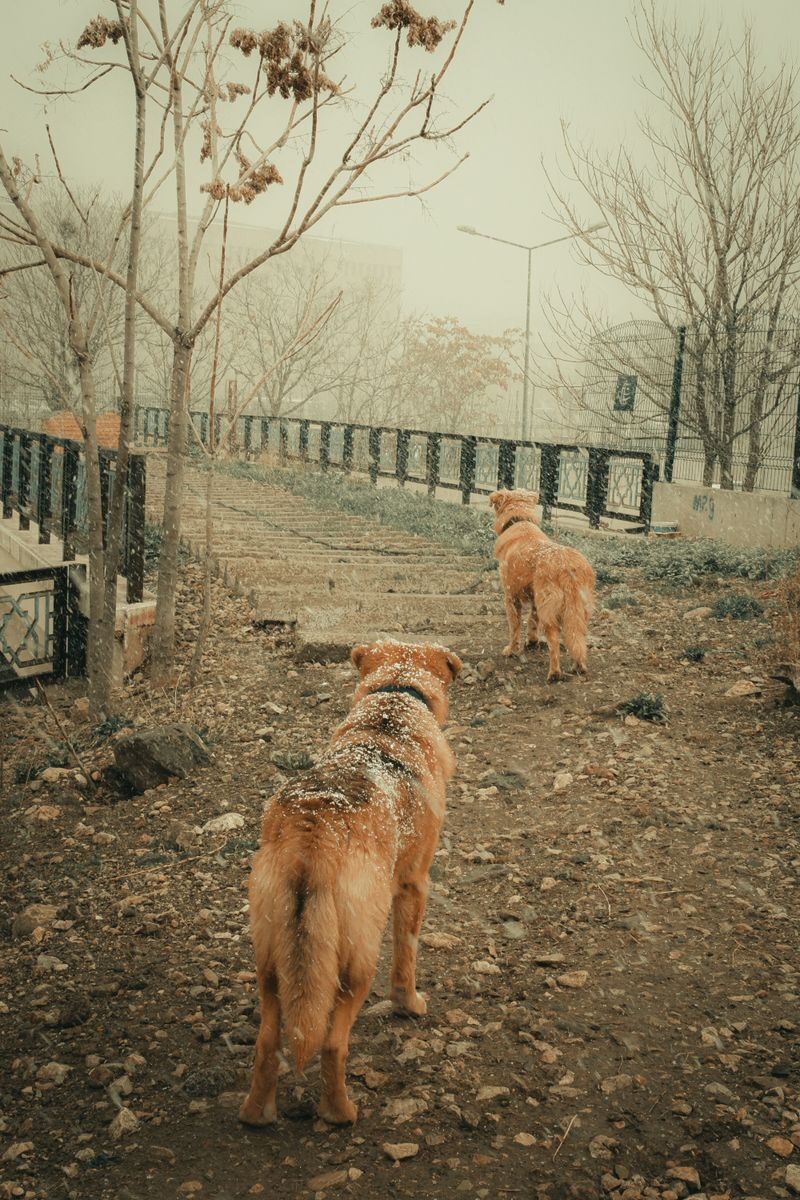
Understanding the Problem: Why Dog Obesity Matters
In the vibrant city of Ottawa, our furry friends bring immense joy, companionship, and love into our lives. But just like people, dogs can face health challenges, and one of the most common issues is obesity. Dog obesity isn’t just about fluffiness; it’s a serious health concern that can lead to a host of problems down the road.
Obesity in dogs occurs when they carry excess weight that negatively impacts their health. This is typically measured using body condition scoring systems. Think of it as packing on the pounds in a way that affects their mobility, energy levels, and overall lifespan.
The Ottawa Context
Ottawa’s beautiful parks, like the Rideau Canal Path or Centennial Park, offer fantastic opportunities for exercise. However, the harsh winters can sometimes limit outdoor activity, making it even more crucial for owners to be proactive about their dog’s weight management. The good news is that with a bit of planning and awareness, preventing obesity is entirely achievable.
Recognizing the Risks: When Does Your Dog Need Attention?
Before diving into solutions, let’s talk about how to tell if your dog might be at risk. Knowing the signs early is key to prevention.
Signs of a Healthy Weight
A healthy dog should have:
* A visible waistline when viewed from above.
* An abdominal tuck when viewed from the side.
* Easily felt ribs without a hard layer of fat over them.
* Minimal visible abdominal fat pad.
Warning Signs of Obesity
- Excess fat deposits, particularly around the abdomen, base of the tail, and thighs.
- Difficulty feeling ribs (covered by a significant layer of fat).
- A lack of waist definition.
- Noticeable lethargy or reluctance to move.
Who’s at Risk?
While any dog can become overweight, certain factors increase the risk:
* Age: Middle-aged and older dogs are more prone.
* Breed: Breeds with less muscle mass or those bred for docile temperaments (often called ‘couch potatoes’) are at higher risk.
* Spay/Neuter: While responsible, early spay or neuter without dietary adjustment can increase the risk.
* Lifestyle: Dogs with limited access to exercise or owners with busy schedules are more vulnerable.
Prevention is Key: Building Healthy Habits
The good news is that obesity is largely preventable with consistent effort. Prevention is always easier and less stressful for everyone involved than managing weight issues later on.
1. Assess Your Dog’s Diet
- Measure Food: Don’t just eyeball portions. Measure out food using cups or scoops provided by the kibble manufacturer. Many bags have feeding guidelines, but these are often estimates – consult your vet for an accurate portion based on your dog’s ideal weight.
- Know the Calorie Count: Ask your vet about the calorie content per cup of your dog’s food. High-quality food is important, but portion control is crucial.
- Avoid Free Feeding: Instead of leaving food out all day, establish scheduled meals. This helps control intake and prevents grazing.
- Limit Treats: Treats should make up no more than 10% of your dog’s daily calories. Opt for low-calorie alternatives like small pieces of carrots, green beans, or small amounts of plain pumpkin or chicken (check with your vet first). Many small Canadian pet treat companies offer healthy options.
- Read Labels Carefully: Look for high protein and moderate fat content. Avoid foods with excessive fillers like corn and soy.
2. Prioritize Exercise
Exercise is essential for burning calories and maintaining muscle mass. Aim for a combination of activities suited to your dog’s breed and energy level.
Daily Walks
- Frequency: Aim for at least two 30-minute walks most days of the week. Ottawa’s paved paths are perfect for this.
- Vary the Route: Don’t do the same walk every day. Explore different areas of the Rideau Path or nearby trails.
- Intervals: Break up long walks with shorter, more frequent walks if your dog prefers this.
Playtime Fun
- Fetch: A game of fetch in the yard or at a park can be a great calorie-burner. Ensure the fetch sessions are active – running and retrieving, not just sitting on command.
- Hiking: If your dog enjoys it, hiking in local parks like Gatineau Park (accessible year-round with proper footwear) can be excellent exercise. Check trail conditions and ensure your dog is comfortable.
- Obedience Training: Mental exercise is just as important. Engage in training sessions which burn mental calories.
Winter Considerations
- Adapt: In colder weather, shorten walks but keep them active. Snowshoeing (if your dog enjoys it) can be a fun winter activity.
- Protect: Ensure paw protection if walking on icy or hot pavement. Provide a winter coat and booties if needed.
3. Environmental Considerations
- Manage Free Time: Ensure your dog has plenty of engaging toys and activities during your absences to prevent boredom snacking or excessive sleeping.
- Control Access: Keep tempting table scraps out of reach.
- Socialization: Arrange playdates or visits to the dog park to encourage activity and mental stimulation.
4. Veterinary Guidance
- Regular Check-ups: Schedule annual or bi-annual wellness exams. Your vet can monitor your dog’s weight, assess body condition, and adjust food recommendations as needed.
- Consult Your Vet: If you’re struggling to manage your dog’s weight, don’t hesitate to ask your veterinarian for personalized advice. They may recommend specific low-calorie foods or suggest working with a veterinary nutritionist.
The Long-Term Commitment
Preventing dog obesity is a long-term commitment, not a quick fix. It requires consistency from the owner and understanding from the dog. By focusing on healthy eating habits, regular exercise, and routine veterinary care, you’re investing in your dog’s longevity and quality of life.
A Healthier Ottawa
By keeping our furry companions at a healthy weight, we’re not just helping individual dogs; we’re contributing to a healthier pet population in Ottawa. So, let’s all work together to ensure our four-legged friends enjoy happy, healthy lives for many years to come!