In this story
Why Brushing Your Dog’s Teeth Matters in Ottawa
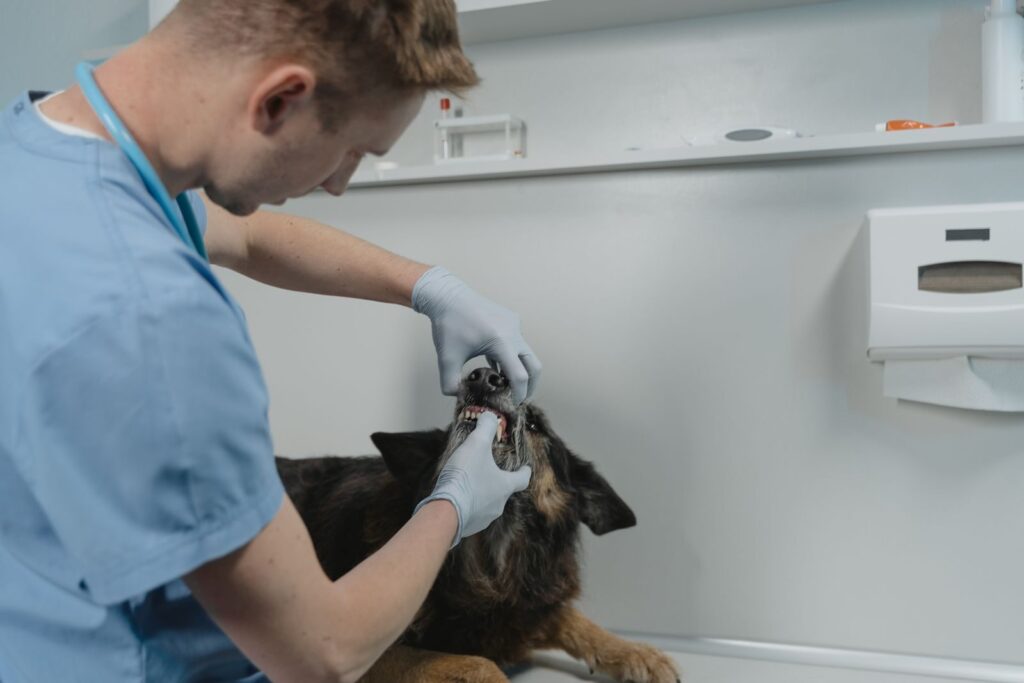
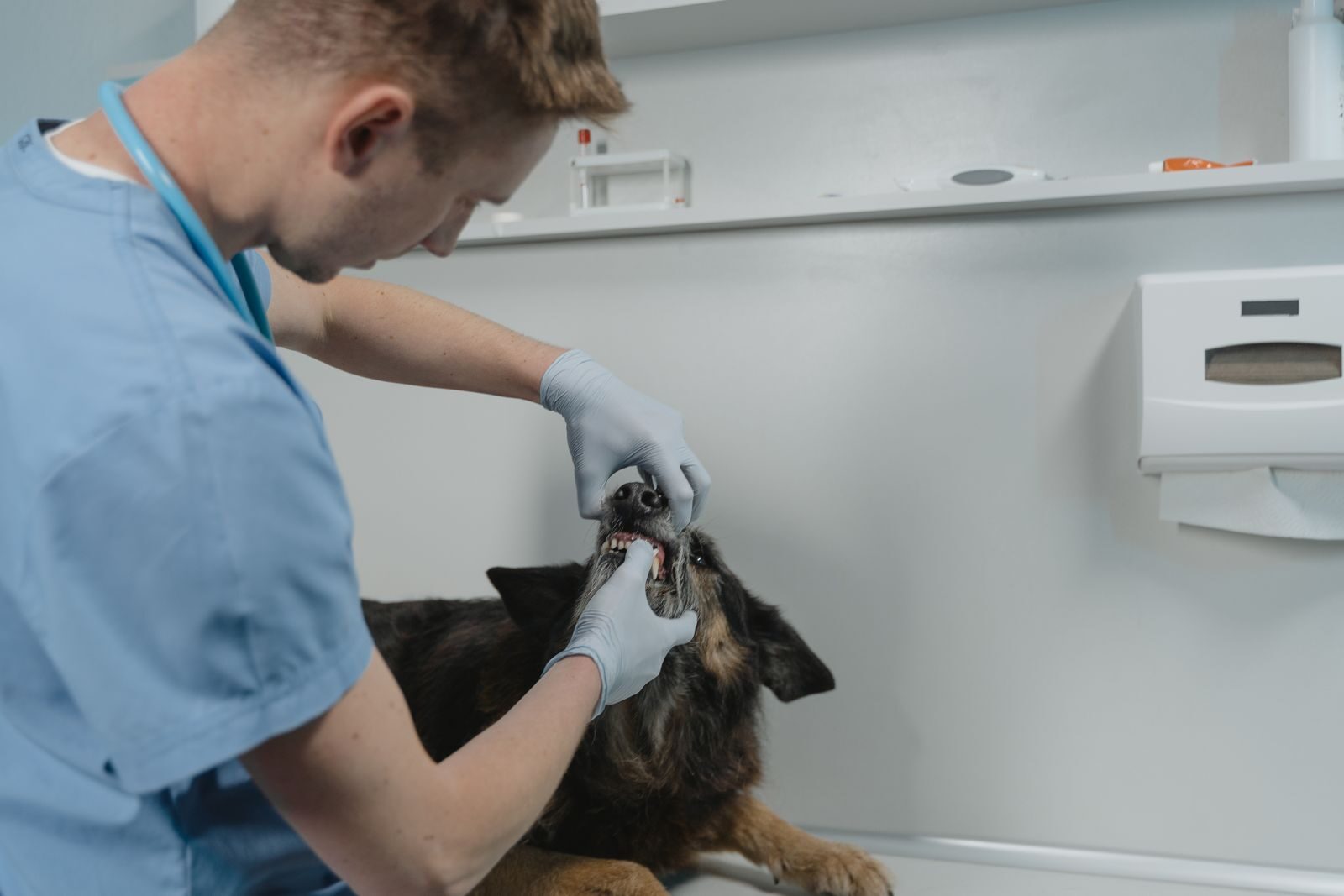
Just like us, dogs need good oral hygiene. While dogs might not complain like humans do, poor dental health can cause serious problems for them. In Ottawa, where dogs enjoy outdoor activities and seasonal treats, dental disease is unfortunately common. Conditions like gingivitis, periodontitis, and tooth decay can lead to pain, difficulty eating, bad breath, and even more serious health issues affecting the heart, kidneys, and liver.
Think of it like this: your dog’s mouth is their business end, constantly interacting with the world around them. Food particles, bacteria, and plaque build up quickly. Without regular cleaning, this plaque hardens into tartar, irritating the gums and setting the stage for infection. Regular brushing is the most effective way to interrupt this cycle before it becomes a serious problem.
Making brushing a part of your routine shows you care about your dog’s overall health, not just their appearance. It’s a simple act with significant benefits, helping your best friend feel better and potentially extending their lifespan. Don’t wait until you notice bad breath or bleeding gums to start – prevention is key, especially for dogs in active communities like Ottawa.
The Basics: Making Brushing a Positive Experience
Introducing your dog to teeth brushing requires patience and positive reinforcement. Start slowly, especially if your dog has never done this before.
Introduce the Toothbrush and Toothpaste:
* Let your dog sniff and taste the toothbrush and toothpaste first.
* Use toothpaste specifically made for dogs (tasting human toothpastes can be unpleasant or harmful). These often come in fun flavours like poultry or beef.
* A finger toothbrush or a soft children’s toothbrush can work well for beginners, followed by a standard dog toothbrush.
Desensitize to the Toothbrush:
* Gently touch your dog’s mouth with the brush.
* Run the brush lightly over their lips, tongue, and gums without any paste.
* Reward them generously with praise and small treats.
* Gradually increase the time and pressure over several days or weeks.
Positive Reinforcement is Crucial:
* Always end a brushing session on a positive note, even if it’s just touching their mouth.
* Offer high-value treats and enthusiastic praise.
* Make it a game – “Let’s brush your beautiful teeth!”
* Keep sessions short at first (just a few seconds) and gradually build up.
Essential Tools for Ottawa Dog Owners
You don’t need an extensive dental kit to get started. Here are the basics:
- Dog-Specific Toothpaste: This is non-negotiable. Human toothpastes contain foaming agents and flavours dogs shouldn’t ingest. Dog toothpastes often contain enzymes to help break down plaque.
- Dog Toothbrush: Choose one appropriate for your dog’s size. Manual brushes are often sufficient. Electric brushes can be a good option if your dog is very resistant, as they require less effort from the owner.
- Treats: High-value treats to reward your dog. Consider small Canadian brands known for quality pet products.
- Water: For rinsing if needed.
- (Optional) Dental Chews: These can help reduce plaque between brushings but aren’t a substitute. Look for safe, digestible options recommended by veterinary professionals.
Step-by-Step: How to Brush Your Dog’s Teeth
Once your dog is comfortable with the toothbrush and toothpaste, you can begin brushing.
- Position Your Dog: Sit or kneel beside them. If they tolerate it, you can gently restrain their head by placing one hand on their chest and the other holding the brush. Many dogs prefer to stand still if distracted with a treat.
- Angle the Brush: Hold the brush at a 45-degree angle to the gums, not just scrubbing horizontally. This is where most plaque accumulates.
- Brush All Surfaces:
- Outside Surfaces: Gently brush the outer surfaces of the teeth, moving in small circular motions.
- Inside Surfaces: Carefully brush the inside surfaces of the front teeth.
- Gumline: Pay extra attention to the gumline where plaque loves to hide.
- Tongue (Optional): Some owners gently brush the tongue for extra cleaning, but ensure your dog tolerates it.
- Duration: Aim for at least 15-20 seconds per quadrant (upper left, upper right, lower left, lower right), totaling about a minute for a thorough cleaning. Don’t push for more if your dog is stressed.
- Rinse (If Possible): If your dog allows and you’re using a regular dog toothbrush, they might swallow some paste. Water rinses can be used if they drink comfortably after brushing.
- Reward: Immediately after brushing, give a generous treat and lots of praise. Associate brushing with something wonderful!
Tips for Success: Making it Stick
Consistency is more important than perfection. Aim for daily brushing if possible, but even a few times a week makes a difference.
- Be Patient: Every dog is different. Some pick it up quickly, others take weeks. Stick with it; don’t give up.
- Use Appropriate Products: Ensure you’re using dog-specific toothpaste and a good toothbrush.
- Offer Alternatives: If brushing is impossible, consider dental wipes or rinses (dog-specific mouth rinses are available). Dental chews can help, but they don’t clean as effectively as brushing.
- Schedule Check-ups: Regular annual dental check-ups with your Ottawa veterinarian are essential. They can identify problems early and perform professional cleanings if needed.
- Monitor for Pain: If your dog shows signs of dental pain (drooling, pawing at the mouth, refusing food, bad breath), see the vet promptly.
Common Challenges in Ottawa
Resistance: This is the most common issue. Stick to the gradual desensitization and positive reinforcement plan. Keep sessions short and end on a success. Maybe try a different time of day or reward.
Bad Breath: Persistent bad breath despite brushing is a red flag. It could indicate an underlying health issue like periodontitis or an oral infection that requires veterinary attention.
Finding Time: Daily brushing takes commitment. Prioritize it like any other health routine. Start small and build up. You can even brush together with your human dental routine!
The Rewards: A Healthier, Happier Dog
The benefits of regular teeth brushing extend far beyond fresh breath:
- Reduces Bad Breath: Fresh breath is always a bonus for dogs and owners!
- Prevents Pain: Regular cleaning prevents gum disease and tooth loss.
- Improves Overall Health: Oral infections can spread to other organs. Good dental health supports your dog’s overall well-being.
- Increases Appetite: Dogs with dental disease may not eat comfortably. Healthy teeth mean better enjoyment of their food.
Brushing your dog’s teeth is a valuable investment in their health. By starting slowly, using positive reinforcement, and being consistent, you can make brushing a normal part of your routine in Ottawa, ensuring your furry friend enjoys a healthier, happier life.
Related posts:
 Keep Your Toronto Dog’s Smile Healthy: Brushing Teeth at Home
 Keep Your Montreal Dog’s Smile Bright: A Guide to At-Home Teeth Brushing
 Calgary Dog Dental Care: A Guide to At-Home Teeth Brushing
 Keep Your Winnipeg Pooch Pearly: How to Brush Your Dog’s Teeth at Home
 Master the Art of Brushing Your Dog’s Teeth in Brampton