In this story

Keep Your Winnipeg Pooch Pearly: How to Brush Your Dog’s Teeth at Home
Winnipeg winters can be tough, but one of the hardest things your dog might face is dental disease hiding under their snowy breath. While you can bundle them up against the cold, you can’t easily protect their mouth from the bacteria that cause bad breath, gum disease, and tooth decay. That’s why learning how to brush your dog’s teeth at home is one of the most valuable gifts you can give your Winnipeg companion.
Why Winnipeg Dog Dental Care Matters
Dental disease is incredibly common in dogs, often going unnoticed until it’s a serious problem. In a city with long, harsh winters, keeping your dog’s mouth healthy becomes even more crucial:
- Cost Savings: Regular at-home brushing can significantly reduce the need for expensive veterinary dental procedures, which can be costly regardless of the season.
- Overall Health: Oral health is linked to overall health. By preventing dental issues, you’re helping protect your dog from potentially serious systemic health problems that can arise from infections spreading through their body.
- Comfort: Dental disease can be incredibly painful. Keeping your dog’s teeth clean ensures they can comfortably eat, drink, and enjoy life in Winnipeg without discomfort.
- Bad Breath: Let’s be honest, no one enjoys dealing with halitosis, especially on a cold day when you’re bundled up inside. Keeping your dog’s breath fresh is an added bonus.
Think of it like this: just as you wouldn’t neglect brushing your own teeth because it’s a Winnipeg winter, you shouldn’t neglect your dog’s dental hygiene.
Getting Started: Making Brushing a Team Effort
Brushing your dog’s teeth should be a positive, stress-free experience for both of you. Start slowly and be patient. Here’s how to begin:
1. Choose the Right Tools
You don’t need an entire dental clinic in your pocket, but having the right basics makes all the difference:
- Dog-Specific Toothbrush: These are designed for dogs with soft, flexible bristles and often have a handle that’s comfortable for your hand. Human toothbrushes can be too hard or the wrong size.
- Dog Toothpaste: Crucially, always use toothpaste made for dogs. Human toothpaste contains xylitol, which is extremely dangerous to dogs (can cause hypoglycemia and liver failure). Dog toothpaste comes in flavours they usually love, like poultry, beef, or even peanut butter.
- Water: Use plain water unless your vet recommends otherwise.
- Cotton Ball (Optional): Sometimes, starting on a cotton ball can help desensitize your dog to the taste and sensation.
- Treats (High-value ones!): This is key to making brushing a positive experience.
2. Introduce the Tools Gradually
- Smell and Taste: Let your dog sniff and taste their new toothpaste. You can even let them lick a small amount off your finger.
- Touch: Gently touch their lips and gums with your finger, then move to a damp washcloth or the toothbrush (if they tolerate it). Reward them generously each time.
- The Cotton Ball Technique: Hold a wet cotton ball soaked with dog toothpaste. Let your dog sniff and lick it. Praise and reward constantly. Repeat this several times a day for a few days.
3. Master the Technique: How to Brush
When your dog is comfortable with the taste and the idea of the brush, you can start brushing:
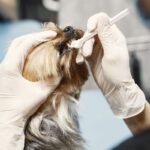
- Start Short: Begin by rubbing the gum line gently with the toothbrush or finger (if using the cotton ball method initially).
- Go Everywhere: Make sure to brush along the gum line all the way back towards the back of the mouth. Pay extra attention to the molars, where food particles often get trapped.
- Angle Matters: Hold the brush at a 45-degree angle to the gums.
- Light Pressure: Use gentle, circular motions. Don’t scrub too hard or aggressively.
- Duration: Start with just 5-10 seconds and gradually increase the time as your dog gets more comfortable.
- Frequency: Aim for at least 2-3 times a week for a minimum of 5-10 minutes each session. Daily brushing is ideal, but even three times a week makes a huge difference.
4. Make it Fun and Rewarding
This is the most important part!
- Timing: Brush during times when your dog is relaxed and happy – maybe after a walk or playtime.
- High-Value Treats: Use special dental treats after brushing, or offer a regular treat you know your dog loves. This creates a strong positive association.
- Lots of Praise: Verbal praise, petting, and playtime are just as rewarding as treats.
- Patience: If your dog doesn’t like it at first, don’t force them. Back off and try again later. Every positive experience brings you closer to a cooperative brushing routine.
5. Building a Consistent Habit
Consistency is key to seeing results and keeping your dog comfortable with the process:
- Schedule: Try to brush at the same time every day to establish a routine.
- Keep Tools Accessible: Make the toothbrush and toothpaste easily available.
- Involve the Whole Family: If you have kids or other pets, make brushing a family activity.
- Track Progress: Notice improvements in breath, eating comfort, and overall behaviour. This reinforces why you’re doing it.
Beyond the Brush: Supporting Winnipeg Dog Dental Health
Brushing is the gold standard, but there are other ways to support your dog’s dental health, especially during the long Winnipeg winters when they might eat softer diets:
- Dental Chews: These can help reduce plaque and tartar. Choose ones specifically designed for dental health and follow package instructions.
- Water Additives: Some dog owners use safe water additives recommended by their vet. Check with your vet first.
- Diet: High-quality dry kibble is generally better for dental health than soft food, as it helps scrape against the teeth. Consult your vet about diet options.
- Regular Veterinary Check-ups: Always include an oral health check during your annual wellness visits to the vet.
When to Call the Vet
While at-home brushing is fantastic, don’t ignore serious signs:
- Severe Pain: If your dog shows extreme reluctance, whining, growling, or bleeding when you try to brush.
- Difficulty Eating or Drinking: Refusing food, drooling excessively, or showing signs of pain while eating.
- Significant Tartar Build-up: If you can’t manage it at home and the tartar is extensive.
- Other Health Issues: If your dog has a history of dental problems or other health conditions.
Conclusion: A Brighter Smile for Your Winnipeg Buddy
Taking just a few minutes each day to brush your dog’s teeth can have a profound impact on their health and happiness for years to come. It’s a simple, cost-effective way to ensure your best friend can comfortably handle the challenges of Winnipeg living, from the biting cold to the dental challenges. Remember to be patient, start slowly, use positive reinforcement, and consult your vet if you have any questions or concerns about your dog’s dental health. A clean mouth equals a healthier, happier Winnipeg companion!
Winnipeg Pet Lovers: Keep those pearly whites shining!
Related posts:
 Keep Your Montreal Dog’s Smile Bright: A Guide to At-Home Teeth Brushing
 Calgary Dog Dental Care: A Guide to At-Home Teeth Brushing
 Master the Art of Brushing Your Dog’s Teeth in Brampton
 Keep Your Toronto Dog’s Smile Healthy: Brushing Teeth at Home
 How Often Should Your Winnipeg Dog Visit the Vet? A Practical Guide