In this story
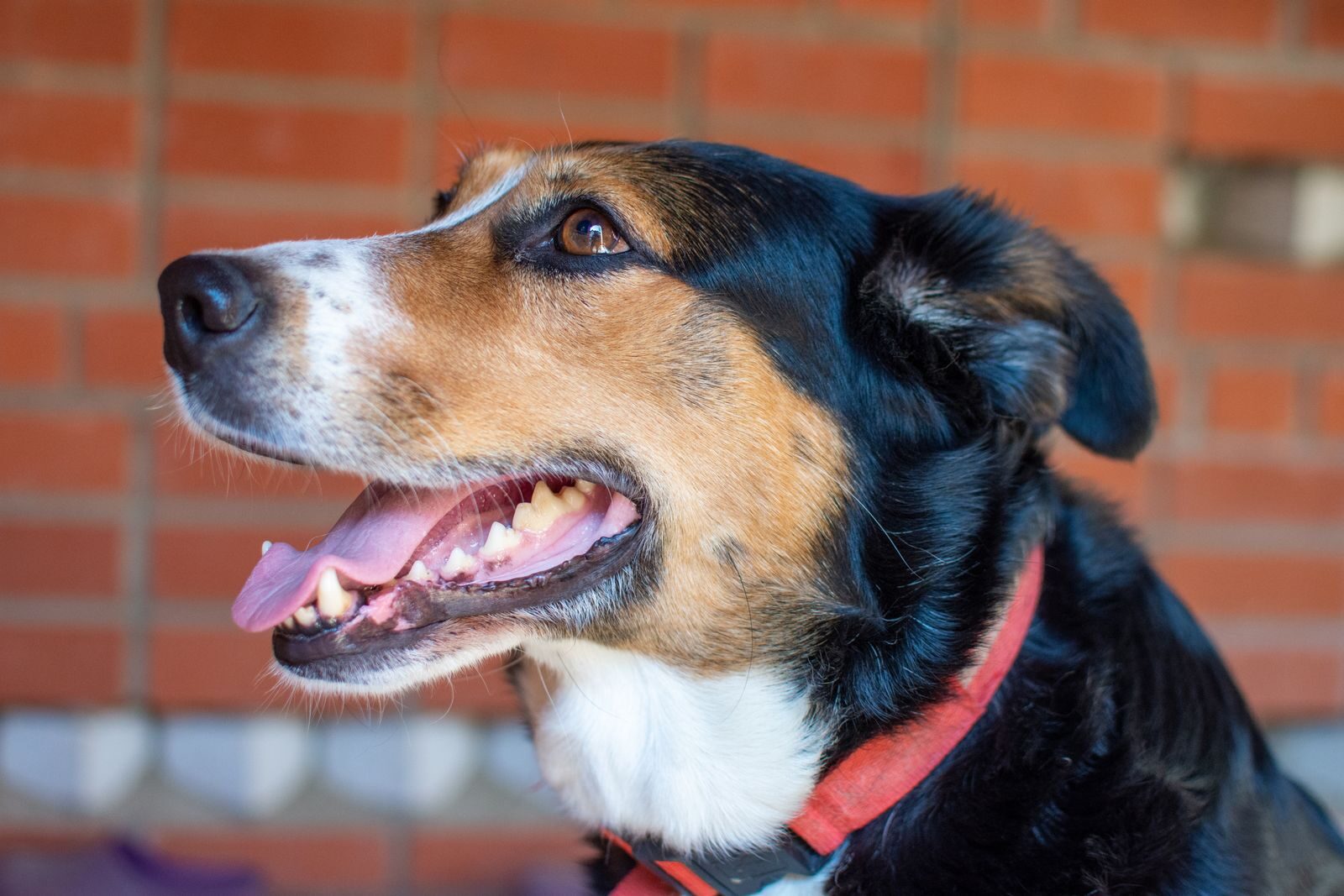
Calgary Dog Dental Care: A Guide to At-Home Teeth Brushing
As proud Calgary dog owners, we know our furry friends are family. And just like us, they deserve the best care, including maintaining good oral health. Regular dental care is often overlooked, but it’s crucial for your dog’s overall well-being. Let’s dive into why dental hygiene matters and how you can safely brush your dog’s teeth at home.
Why Dental Care Matters for Your Calgary Dog
Your dog’s mouth isn’t just a hole for food; it’s a complex ecosystem. Without proper care, bacteria can build up, leading to dental disease. This isn’t just about bad breath—it can cause serious health issues that impact your dog’s entire body.
The Risks of Neglecting Dental Health
- Bad Breath: Persistent halitosis is a common sign of dental problems.
- Gingivitis and Periodontitis: Inflamed gums, tooth decay, and loss of teeth are progressive without intervention.
- Tooth Decay and Abscesses: Cavities and painful infections can develop.
- Systemic Health Issues: Bacteria from the mouth can enter the bloodstream, potentially affecting the heart, kidneys, and liver.
Making Dental Care a Priority in Calgary
In a city as active as Calgary, ensuring your dog’s overall health allows them to enjoy all the outdoor adventures and family time. Good dental hygiene is a key part of that. Regular brushing is the gold standard for preventing dental disease at home.
Getting Started: What You’ll Need
You don’t need fancy, expensive tools. Start with basics:
Essential Supplies
- Dog Toothbrush: A soft-bristled toothbrush designed for dogs is ideal. A child’s soft toothbrush can work in a pinch. Human toothbrushes aren’t recommended as they can be too hard for your dog’s teeth.
- Dog Toothpaste: Use toothpaste made for dogs. Human toothpaste contains foaming agents and xylitol (toxic to dogs) that can cause stomach upset.
- Water: For rinsing.
- Treats: Positive reinforcement is key!
Optional but Helpful Additions
- Dental Chews: Helps reduce plaque between brushings.
- Oral Rinse: Some pet owners use vet-recommended oral rinses occasionally.
- Calgary Veterinary Hospital Resources: Many Calgary vets offer dental cleaning services and may recommend specific toothpastes or chews.
Step-by-Step Guide to Brushing Your Dog’s Teeth
Be patient. It takes time and practice for both you and your dog to get comfortable.
1. Get Comfortable
Choose a time when your dog is relaxed. Sit with them on a couch or floor. If they prefer, you can gently restrain them briefly (with treats as rewards).
2. Make It Familiar
Start by letting your dog sniff and taste the toothpaste. Let them lick some off your finger or the brush. This desensitizes them to the taste.
3. Introduce the Brush
Hold the toothbrush at a 45-degree angle to your dog’s gum line. Start with just one tooth, like the top front one. Apply very gentle pressure.
4. Master the Technique
- Circular Motion: Use gentle, circular motions to clean the outer surfaces of the teeth.
- Don’t Forget the Gumline: Cleaning along the gumline is crucial to remove plaque.
- All Surfaces: Work your way around all teeth, including the tongue if your dog allows it.
5. Rinse (If Applicable)
Some dogs enjoy rinsing. Let them drink some water afterward. Some Calgary owners use a pet-safe oral rinse occasionally.
6. Offer a Reward
Immediately after, give your dog a high-value treat or some extra affection. Positive reinforcement is key to making brushing a positive experience.
Tips for a Successful Brushing Session
Start Slowly
Don’t expect perfection on day one. Begin with just a few seconds and gradually increase the duration as your dog gets more comfortable.
Keep It Fun
If your dog dislikes it, force is counterproductive. End the session on a positive note. Maybe try different flavors of dog toothpaste or experiment with dental chews.
Be Consistent
Daily brushing is ideal, but even three times a week makes a significant difference. Consistency is more important than the length of each session.
Watch for Discomfort
If your dog shows signs of pain or extreme stress, stop. Consult your Calgary vet. Pain during brushing could indicate an underlying dental issue.
Alternatives to Brushing
While brushing is best, consider these options:
- Dental Chews: Helps reduce plaque.
- Water Additives: Special dog water additives can help control bacteria.
- Professional Cleanings: Regular dental check-ups and professional cleanings at a Calgary veterinary hospital are essential.
When to See the Vet
If you notice any of these signs, schedule a check-up:
- Excessive drooling
- Bad breath
- Red, swollen, or bleeding gums
- Broken or loose teeth
- Difficulty chewing or eating
- Pawing at the mouth
Regular dental care is an investment in your dog’s longevity and quality of life. By incorporating gentle brushing into your routine, you’re helping your Calgary companion breathe easier, eat comfortably, and live a healthier life.
Conclusion: A Healthier Calgary Companion
Taking charge of your dog’s dental health is a rewarding part of responsible pet ownership in Calgary. While visiting the vet is crucial, daily brushing is the best way to prevent dental disease at home. With patience and consistency, you can make brushing a routine that benefits both you and your furry friend for years to come.
Related posts:
 Master the Art of Brushing Your Dog’s Teeth in Brampton
 Keep Your Toronto Dog’s Smile Healthy: Brushing Teeth at Home
 Keep Your Montreal Dog’s Smile Bright: A Guide to At-Home Teeth Brushing
 Keep Your Winnipeg Pooch Pearly: How to Brush Your Dog’s Teeth at Home
 Keep Your Hamilton Dog’s Smile Bright: A Guide to At-Home Teeth Brushing