In this story
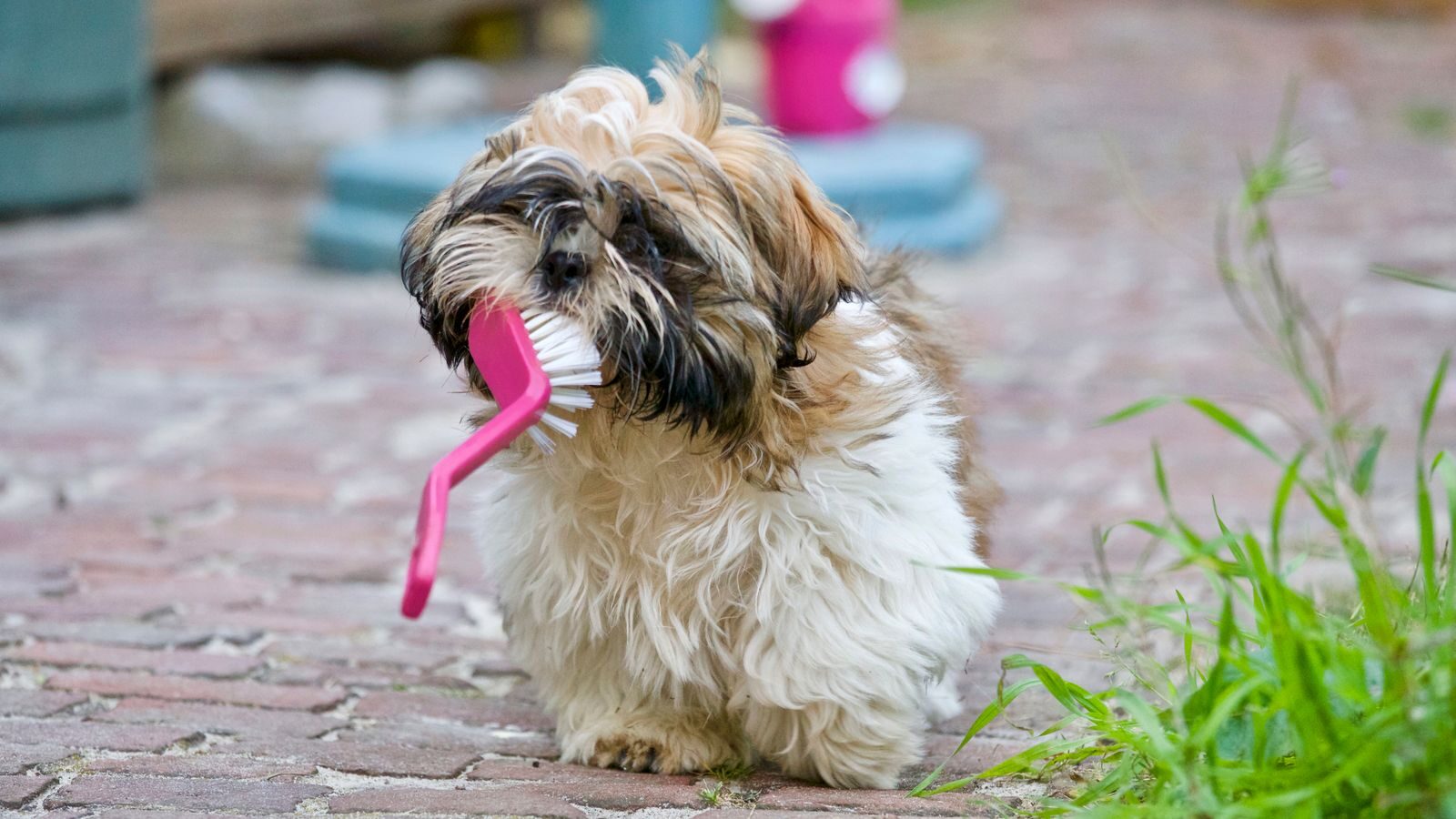
Keep Your Edmonton Dog’s Smile Healthy: A Guide to At-Home Teeth Brushing
As proud Edmonton pet parents, we want the very best for our furry friends. That includes keeping their paws happy, their belly rubs appreciated, and most importantly, their smile bright and healthy. We often hear about dental health for humans, but did you know poor dental hygiene can seriously impact your dog’s overall well-being? From Edmonton’s vibrant parks to cozy home comforts, our dogs enjoy life, but their dental health needs consistent care too.
Why Does Brushing Your Dog’s Teeth Matter?
You might be thinking, “My dog doesn’t complain about bad breath!” While a dog might not complain (they’re pretty good at hiding pain), poor dental health silently affects them. Plaque and tartar buildup aren’t just unsightly. They can lead to painful gum disease (periodontitis), tooth decay, and even impact vital organs like the heart, kidneys, and liver.
Think about it: just like us, dogs can get cavities and gum infections. Regular brushing is the single most effective way to prevent dental disease at home. It removes plaque before it hardens into tartar, which is much harder to manage and can damage the gums and supporting structures of the teeth.
Getting Started: Making Brushing a Positive Experience
Introducing teeth brushing can feel like a daunting task, but with patience and the right approach, it can become a beloved part of your dog’s routine, like their morning walk or mealtime. The key is to make it positive from the start.
1. Start Slow and Smell:
- Introduce the Toothbrush: Let your dog sniff and taste their own toothbrush first. You can even let them lick it! This helps them get familiar with the tool.
- Introduce the Toothpaste: Most human toothpastes contain xylitol, which is toxic to dogs. Never use human toothpaste. Use toothpaste specifically designed for dogs, which comes in flavours they often enjoy (like poultry or beef). The dog-friendly toothpastes are formulated to be safer if they accidentally swallow some.
- Desensitize Them: Dip your finger (gloved if you prefer) in a tiny bit of dog toothpaste and gently rub it over your dog’s gums a few times a day for several days. Reward them generously. Gradually increase the time and use the toothbrush.
2. Build Up to Brushing:
- Short Sessions: Start with just one tooth (maybe a back one they can’t reach themselves) and brush gently for a few seconds. Reward immediately.
- Positive Reinforcement: This is crucial! Use lots of praise, enthusiastic tone, and high-value treats (small pieces of chicken, beef, or cheese work well – check with your vet about dental treats). Every single time they tolerate or participate, reward.
- Stay Calm: Your dog picks up on your energy. Stay relaxed and speak reassuringly.
3. Choosing the Right Tools:
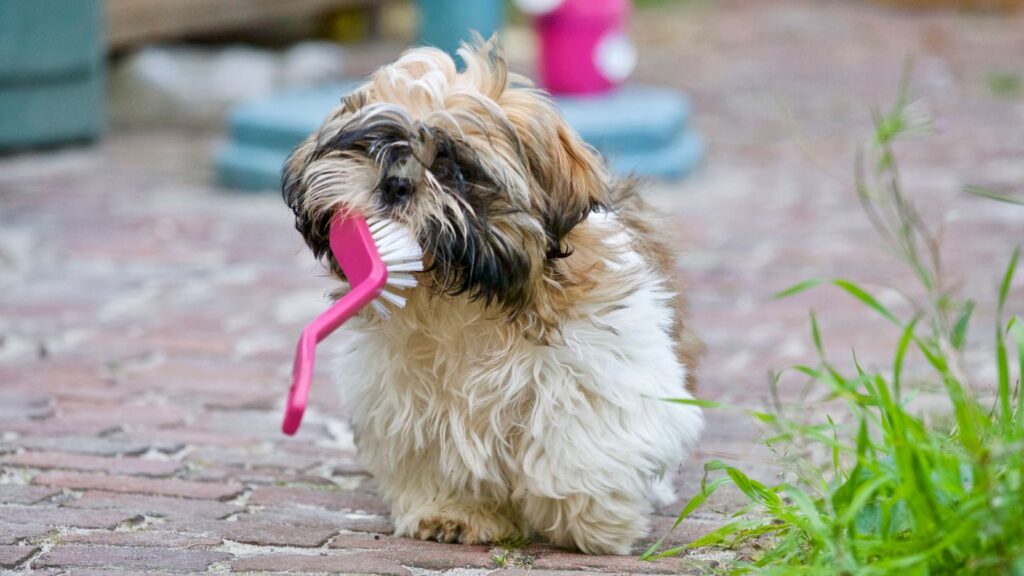
- Toothbrush: Many dogs prefer a finger toothbrush or a soft-bristled children’s toothbrush. Traditional pet toothbrushes with longer handles can also work well, especially for reaching the back teeth. Find what feels most comfortable for your dog.
- Toothpaste: Always use toothpaste made for dogs. It’s safe if swallowed and comes in appealing flavours.
How to Actually Brush Your Dog’s Teeth
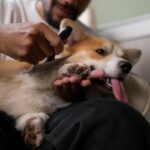
Once your dog is comfortable with the brush and paste, you can begin brushing.
1. Brushing Technique:
- Angle: Hold the brush at a 45-degree angle to the gum line, like you would for your own teeth. This allows the bristles to clean the area where plaque likes to hide.
- Circular Motions: Use gentle, circular motions. Don’t scrub too hard – soft brushing is better for longer. Aim for the outer surfaces of the teeth, as 70% of dental disease occurs there.
- All Surfaces: Be sure to brush the top, inside, and bottom of the teeth. Don’t forget the tongue – it can harbor bacteria too!
- Frequency: Daily brushing is ideal for preventing dental disease, but if starting out, aim for 3 times a week initially and build up to daily.
2. Which Teeth?
- Back Teeth: While you’re brushing, pay extra attention to the back teeth (molars and premolars). These are the primary areas where food particles and bacteria accumulate. Edmonton’s active lifestyle might mean your dog gets plenty of bacteria from enthusiastic park play!
3. Timing Matters:
- After Meals: Brushing after meals (or at least twice a day) is most effective, as it removes food debris before bacteria have a chance to feast.
- Consistency is Key: Like brushing your own teeth, regular brushing yields the best results. Don’t skip days once you establish the habit.
What if Your Dog Resists?
It’s completely normal for dogs to be hesitant at first. If your dog pulls away, get frustrated, or growl, remember your goal is a positive experience, not a tug-of-war.
- Back to Basics: Go back to desensitizing with just a finger or a tiny dab of paste. Don’t force the full brushing routine.
- Shorter, Smaller Sessions: Try even shorter sessions with just one tooth.
- Ask for Help: If another person can gently hold your dog (using positive reinforcement), that can make a huge difference.
- Use Tasty Treats: Make the reward incredibly tempting. Sometimes, a small, specific treat right after brushing can be the motivator.
- Be Patient: It takes time and consistency. Don’t give up! Many dogs eventually love having their teeth brushed. Think about the countless times you’ve patiently taught your dog another command or trick – brushing teeth is similar.
Alternatives to Daily Brushing
If daily brushing seems impossible, don’t despair. There are other ways to help maintain your dog’s dental health:
1. Dental Diets and Water Additives:
- Special Diets: Dental diets are designed with textures that help scrape plaque off the teeth while chewing. Look for AAFCO-approved diets labelled for dental health.
- Water Additives: These are oral rinses added to the water bowl. They help reduce plaque and tartar. Check with your vet about the best options and proper dilution.
2. Chew Toys and Bones:
- Rawhide or Dental Chews: Chewing can help reduce plaque, but be cautious with hard rawhides which can splinter. Dental chews are specifically designed to clean teeth while being chewed. Always supervise with hard objects.
- Rope Chews: Natural rope chews can help massage gums and reduce tartar.
3. Professional Cleanings:
- Regular Vet Check-ups: Your Edmonton vet will examine your dog’s mouth during routine check-ups. They can identify dental issues early.
- Professional Dental Cleanse: If significant plaque or tartar has built up, your vet may recommend a professional dental cleaning. This is performed under anesthesia and is crucial for addressing deep-seated dental problems.
Choosing the Right Products in Edmonton
When you do need specific products, look for reputable pet stores in Edmonton or online retailers that stock Canadian-approved pet stores. Seek products with veterinary backing. Always discuss any new products or significant changes to your dog’s dental routine with your Edmonton veterinarian.
Maintaining Your Edmonton Dog’s Oral Health
Brushing your dog’s teeth at home is a rewarding way to ensure they live a longer, healthier life. It strengthens the human-animal bond and shows your love through proactive care. While it takes commitment, the benefits – a healthier mouth, fresher breath, and reduced risk of serious health issues – are well worth the effort.
Start slowly, be patient, and celebrate small victories. Ask other Edmonton dog owners for tips if you need encouragement. Making this part of your routine shows you’re truly committed to your best friend’s overall health, from their Edmonton adventures to their daily care.