In this story
Beat the Fluff: A Practical Guide to Reducing Shedding in Your Edmonton Home
Ah, Edmonton! From the crisp winter air carrying snowflakes to the gentle summer breezes, our city’s unique climate presents its own challenges for dog owners. And let’s be honest, one of the biggest challenges isn’t the weather itself, but the constant battle against shedding. Whether you’re dealing with seasonal undercoat blowouts or year-round light flaking, managing dog hair in your Edmonton home is a common quest. Don’t worry, you’re not alone. This guide offers practical, budget-friendly strategies to help keep your Edmonton home fluff-free, no matter the season.
Understanding the Why: More Than Just Moulting
Before we dive into solutions, it helps to understand why dogs shed. Essentially, shedding is the body’s natural process of replacing the winter coat with a lighter summer coat and vice versa. This happens primarily in spring (blowing coat) and fall (preparing for winter). However, some dogs, especially those with continuous or year-round heavy shedding coats, will lose hair more consistently throughout the year.
Breed Matters: While all dogs shed, certain breeds are notorious for heavy shedding. Double-coated breeds (like German Shepherds, Huskies, Malamutes, and Collies) tend to shed more dramatically seasonally. Single-coated breeds (like Poodles, Poms, Bichons, and Shih Tzus) shed less volume overall but require more regular grooming to manage the spread.
The Edmonton Factor: Our winters bring heavy snow and cold winds, while summers can be dry and windy. Both seasons can exacerbate shedding by stripping natural oils and stressing the coat. Central vacuums are a godsend, but they aren’t foolproof against the constant carpet colonization.
Grooming: The Cornerstone of Shed Management
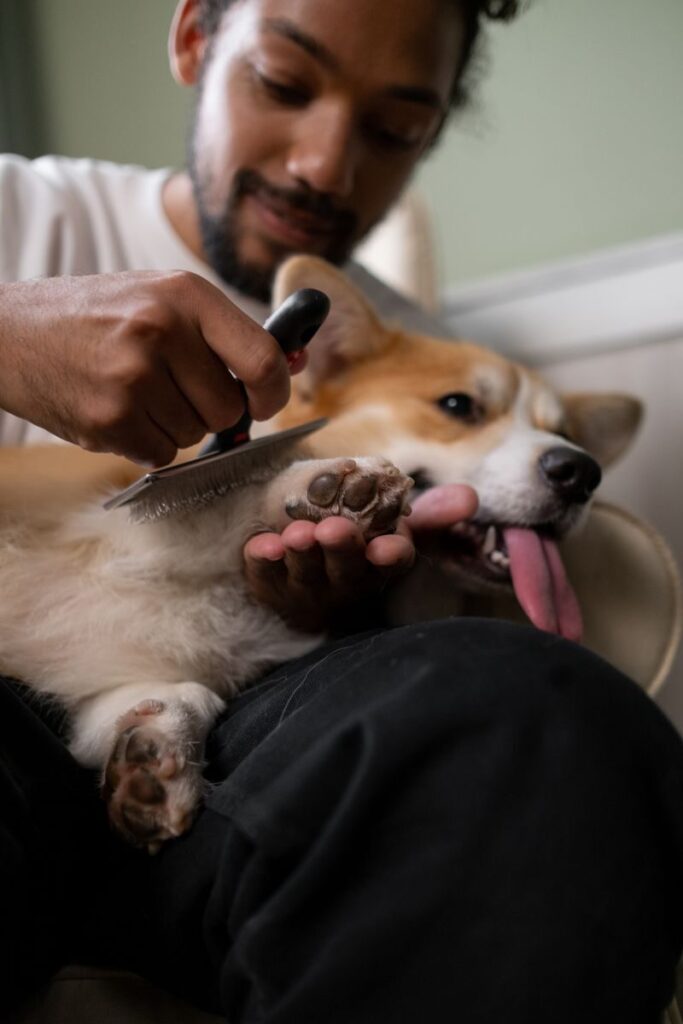
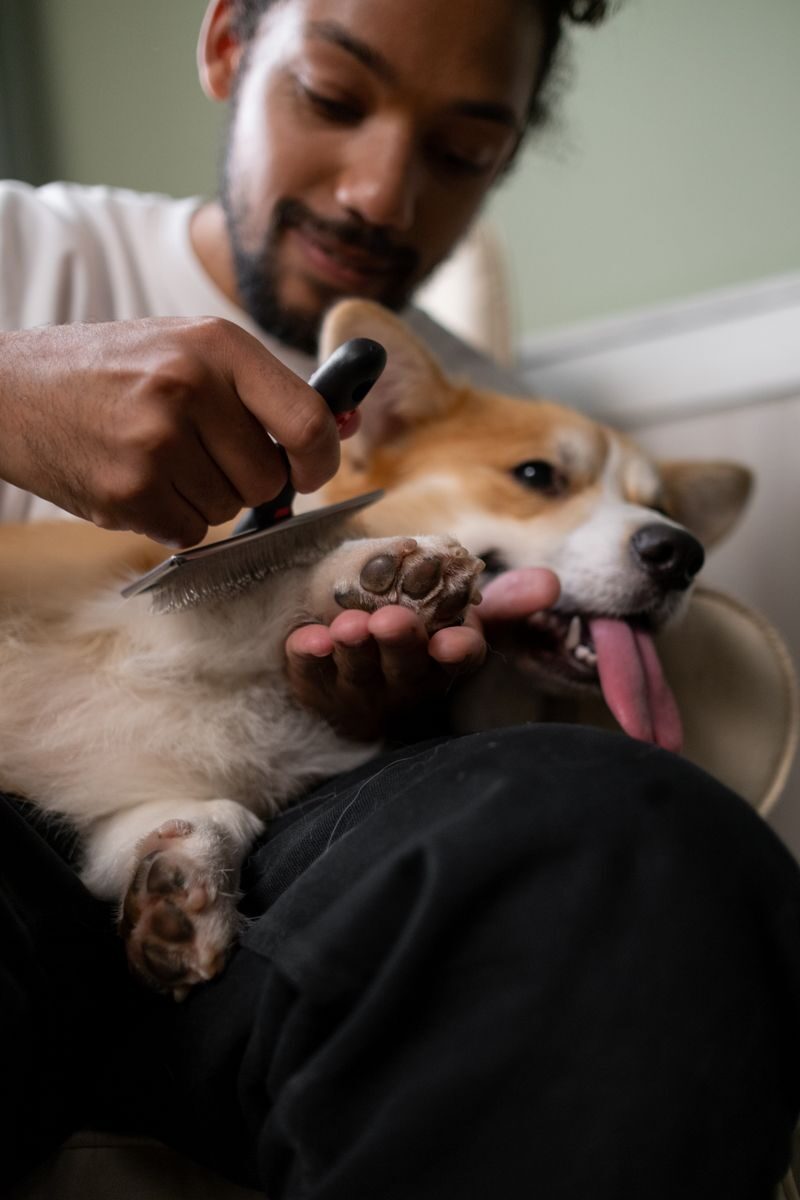
Regular grooming isn’t just about aesthetics; it’s crucial for reducing shedding. Brushing removes loose undercoat and dead hair before it can spread.
Tools You’ll Need
- Slicker Brush: Great for most breeds, especially for removing tangles and loose hair.
- Pin Brush: Good for top coats and longer hair.
- Rake Brushes (Pin Set): Excellent for working through dense undercoats.
- Grooming Comb: Useful for detangling mats.
How Often?
- Low to Moderate Shedders: Brush 1-3 times weekly, focusing on areas like behind the ears, neck, chest, and tail.
- Heavy Shedders (especially double-coated breeds): Daily brushing during peak shedding seasons (spring and fall) is highly recommended. Don’t wait until mats appear – brushing regularly prevents matting and minimizes hair release.
Effective Brushing Techniques
- Start Light: Begin brushing in areas where hair is loose, like the belly and legs, to remove tangles gently.
- Work Through Mats: Be firm but gentle. Use a detangling spray if knots are stubborn.
- Brush the Direction of Fur: This helps lift the coat and distribute natural oils.
- Don’t Forget the Muzzle and Paws: These areas are often overlooked but collect hair.
Diet and Nutrition: Fuel for a Healthy Coat
A dog’s diet directly impacts the health of their skin and coat, which in turn affects shedding.
Quality Matters
Feeding a complete and balanced diet is essential. Look for high-quality dog food with animal protein as the primary ingredient. Avoid foods with excessive fillers, artificial preservatives, and by-products.
Hydration
Ensure fresh, clean water is available at all times. Proper hydration helps keep the skin moisturized and supports healthy hair growth and shedding cycles.
Supplements (Consult Your Vet First!)
- Omega-3 Fatty Acids: Found in fish oil, flaxseed, or algae supplements. These can improve skin elasticity and coat shine, potentially reducing dryness-related shedding.
- Vitamins and Minerals: Biotin (B7) is often recommended for skin and coat health.
- Probiotics: Can support overall digestive health, which reflects in skin health.
Small Canadian Makers:** Edmonton has a growing number of excellent small, local pet food brands that prioritize quality and transparency. Look for companies like [Local Brand Example – use generic term] that source ethically and use whole-food ingredients. Always consult your veterinarian before starting any new supplements or switching to a new food.
Environmental Management: Containing the Chaos
No matter how much you brush, some hair will inevitably escape. Here’s how to minimize its spread and impact.
Vacuuming: Your Best Friend
- Frequency: Vacuum daily, especially high-traffic areas and where pets sleep. A central vacuum system is a dream, but even a good handheld vacuum or a shop vac with a pet hair attachment works wonders.
- Technique: Use the suction cup base to lift and capture hair from carpets. Move the vacuum slowly over the same spot, overlapping sections. Vacuum vertical surfaces (walls, baseboards, stairs) regularly too.
- Filters: Ensure your vacuum has a good HEPA filter to trap fine hair particles.
Water and Air
- Wet Cleaning: Regularly wash your dog with a gentle, moisturizing shampoo. While more frequent washing isn’t usually necessary, doing it every 4-8 weeks (depending on breed and activity) can help remove loose hair.
- Air Purifiers: Consider a whole-home air purifier or a portable one, especially in basements or bedrooms, to help capture airborne dander and fine hair particles.
Barriers and Covers
- Groomer Bags: Use lint rollers, pet grooming wipes, or sticky lint removers on furniture, clothing, and yourself after handling your dog.
- Furniture Covers: Slipcovers or furniture pads can protect favourite couches and chairs. Make sure to wash them regularly.
- Carpet Management: Consider area rugs in high-use zones that can be easily vacuumed or hosed down (exterior side only!). Use carpet protectants designed for pet stains and odours.
Grooming Mats
Rubber or plastic grooming mats are excellent for trapping loose hair right at the source, especially after brushing or before entering the house.
Professional Grooming: When You Need Extra Help
For dogs with heavy coats, professional grooming is often essential.
Frequency
- Most double-coated breeds need professional grooming every 6-8 weeks. This involves clipping to remove the dense undercoat, preventing matting and reducing shedding significantly.
- Smaller breeds with continuous coats (Poodles, Poms) often need more frequent grooming (every 4-6 weeks).
What to Look For
Choose a reputable Edmonton pet groomer who knows breed standards and focuses on skin health. Don’t be afraid to ask about their techniques and tools.
Trimming vs. Clipping
- Trimming: Cutting the coat short for easier maintenance, popular in warmer months.
- Clipping: Cutting longer, leaving a teddy-style or other breed-specific length. Requires more frequent sessions.
Patience and Consistency
Reducing shedding is a marathon, not a sprint. It requires consistent effort with grooming, cleaning, and diet. Remember that shedding is a natural process, and while you can manage it, you can’t completely stop it. Focus on containing it and keeping your home and your Edmonton lifestyle comfortable.
Conclusion: A Fluff-Free Edmonton Home
Managing shedding doesn’t have to be a constant struggle. By understanding your dog’s needs, incorporating regular grooming, maintaining a healthy diet, and being proactive about your home environment, you can significantly reduce the amount of fur that ends up as a fine dust layer on your furniture, floors, and clothes. Edmonton dog owners, tackle this fluff with these practical tips and enjoy a cleaner, cozier home this season!