In this story
Beat the Shedding: Keeping Your Ottawa Home Cozy and Clutter-Free
Ah, Ottawa! With its beautiful seasons and cozy homes, it’s the perfect place for our furry friends to live. But let’s be honest, shedding isn’t exactly cozy. As a proud Ottawa pet owner, you know the struggle – waking up to a carpet graveyard or finding mysterious hair disappearances throughout your home. From the heavy spring and fall shedding seasons to year-round fluff, managing pet hair is a common challenge for many families here.
The good news? Shedding isn’t just inevitable; it’s manageable. By understanding why dogs shed and implementing practical strategies, you can significantly reduce the amount of fur decorating your furniture, carpets, and clothes. Let’s dive into how you can keep shedding in check during Ottawa’s unique climate.
Understanding Why Dogs Shed
Before we jump into solutions, it’s helpful to know why our dogs lose hair. Dogs have two main types of hair: undercoat and guard hairs.
- Guard Hairs: These are the longer, coarser hairs you often see. They shed relatively slowly as they protect the dog’s skin and waterproof their coat.
- Undercoat: This is the soft, dense fur close to the skin. This layer provides insulation, especially important in Ottawa’s colder months. This is the primary area where dogs shed, particularly during seasonal coat changes.
Dogs shed year-round to some degree, but in Ottawa, the shedding intensifies dramatically in spring (to get rid of a thick winter coat for the warmer months) and fall (to build insulation for the coming winter). This is known as seasonal shedding or blowing their coat. During these periods, dogs can lose hundreds of hairs per day!
What Causes Heavy Shedding?
- Seasonal Changes: The biggest trigger in Ottawa. Shorter days and cooler temperatures in fall signal coat thickening; longer days and heat in spring trigger coat reduction.
- Breed: Double-coated breeds (like German Shepherds, Golden Retrievers, Huskies, Labs, and many others common in colder climates) are notorious shedders. Single-coated breeds shed less but still require grooming.
- Health: A healthy coat means less excessive shedding. Issues like skin problems, parasites, or poor diet can sometimes contribute.
- Grooming: Regular grooming helps manage loose hair before it ends up on your floors.
Essential Tools for Ottawa Homeowners
You don’t need a high-tech gadget to tackle shedding. Start with these tried-and-tested tools:
1. Regular Brushing (The Foundation)
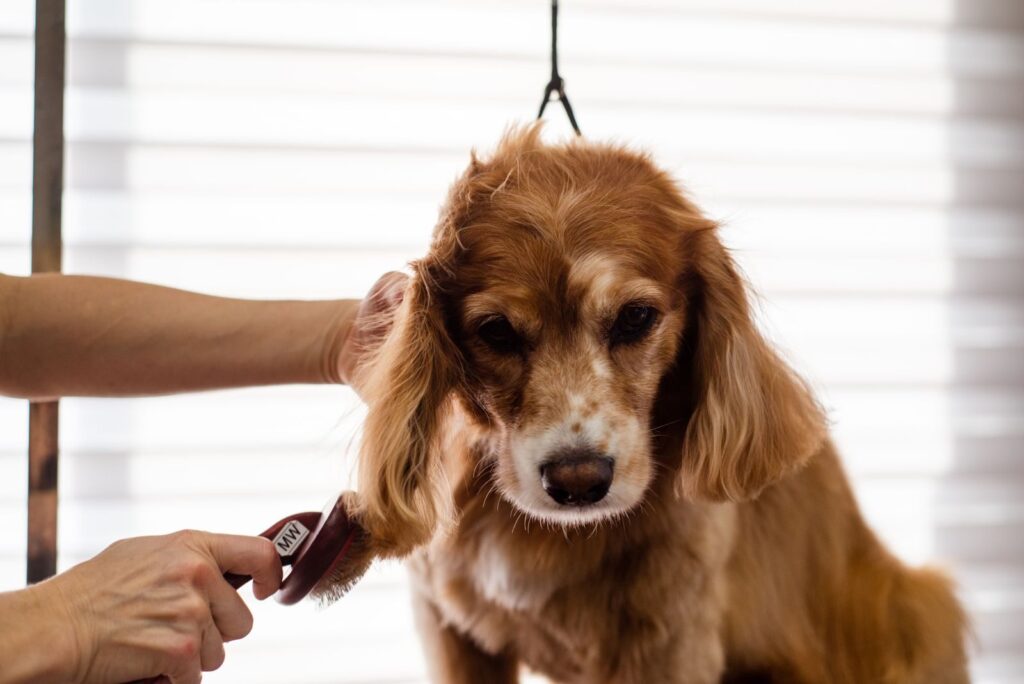
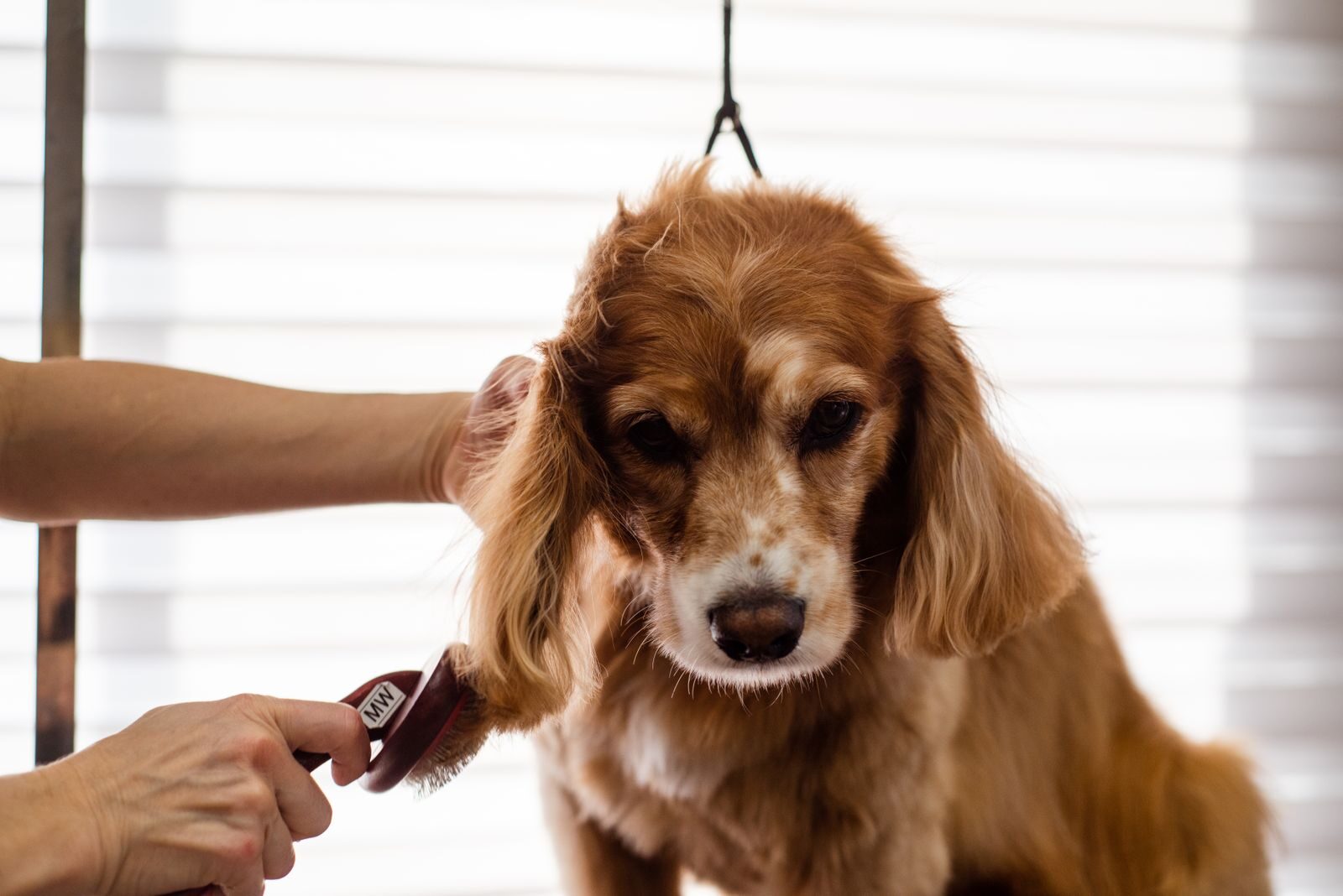
This is arguably the most effective tool against shedding. Brushing removes loose undercoat hairs before they can spread.
- Slicker Brush: Excellent for most breeds, especially those with a dense undercoat. Works by hooking through the fur to lift and remove debris.
- Pin Brush: Great for topcoats and longer fur, working through the hair without pulling.
- Deshedding Tool (Pin Comb): Specifically designed to target the undercoat. Focuses on removing loose hair at the roots.
Ottawa Tip: Make brushing a fun part of your dog’s routine. Many dogs enjoy their sessions, especially with a tasty treat at the end. Aim for at least 2-3 times a week during heavy shedding seasons, and less frequently otherwise.
2. Undercoat Rakes
For breeds with a very thick undercoat (like German Shepherds or Malamutes), a specialized undercoat rake can be more effective than a slicker brush for removing deeply embedded hair.
3. Vacuums: More Than Just Cleaning Floors
A good vacuum cleaner is crucial for picking up the hair that does escape brushing.
- Pet-Specific Vacuums: These often have stronger motors and specialized attachments for deep-cleaning carpets and upholstery.
- Upholstery Tools: A crevice tool or an upholstery attachment can help tackle furniture.
Ott’tawa Tip: Consider vacuums with HEPA filters, especially if you have allergies. They capture fine particles effectively. Don’t forget to vacuum stairs, doorways, and any furniture your dog spends time on regularly.
Year-Round Grooming Strategies
4. Professional Grooming
Regular visits to a professional groomer (or a trusted home groomer, ensuring they follow health and safety protocols) can significantly reduce shedding.
- Bathing: Regular baths help remove loose hair and dirt. Use a gentle, moisturizing shampoo suitable for your dog’s coat type. Over-bathing can dry out the skin.
- Trimming: Especially for breeds with long hair or thick undercoats, professional trimming can help manage shedding and prevent matting. Consider a slightly shorter, year-round trim to help manage shedding, unless your dog participates in shows where breed standards require a specific length.
5. Diet and Hydration
A healthy diet directly impacts coat health and shedding levels.
- High-Quality Food: Ensure your dog is eating a balanced diet specifically formulated for skin and coat health. Look for ingredients like omega-3 fatty acids (from fish oil).
- Clean Water: Always provide fresh, clean water. Hydration is essential for overall health, including skin.
- Small Canadian Makers: Look for reputable small Canadian pet food brands that focus on natural ingredients and balanced nutrition.
Controlling the Environment
While you can’t change the seasons, you can adapt your home.
6. Managing Humidity
Drier air can sometimes exacerbate shedding, but humidifying your home in winter can help keep your dog’s skin moist, potentially reducing dry skin-related excessive shedding.
7. Creating Barriers
- Furniture Covers: Slipcovers or washable covers on favourite couches and chairs can make cleanup easier.
- Area Rugs: Use washable area rugs in high-traffic areas and bathe them regularly.
- Frequent Washing: Wash your dog’s bedding frequently in hot water with a pet-safe detergent.
8. Air Quality
Running a high-efficiency particulate air (HEPA) air purifier, especially during heavy shedding seasons, can help capture airborne dander and loose fur.
Ottawa’s Unique Challenges: Winter and Spring
Winter
During the cold months, dogs need a thick coat for insulation. While shedding naturally reduces the coat, they still lose a lot. Increased indoor time means more shedding ends up everywhere.
- Cozy Indoors: Keep shedding down by brushing more frequently during this period.
- Coat Check: Before your dog comes inside, especially after walks, consider wiping their paws and belly with a damp cloth to pick up some loose hair.
Spring and Fall
This is when the most significant shedding occurs. Be prepared!
- Daily Brushing: Increase brushing frequency dramatically during these months.
- Frequent Vacuuming: Vacuum daily or every other day, especially on floors.
- Wash Surfaces: Regularly wash floors (hardwood or tile with a pet-safe mop) and bathe your dog.
When to Seek Professional Help
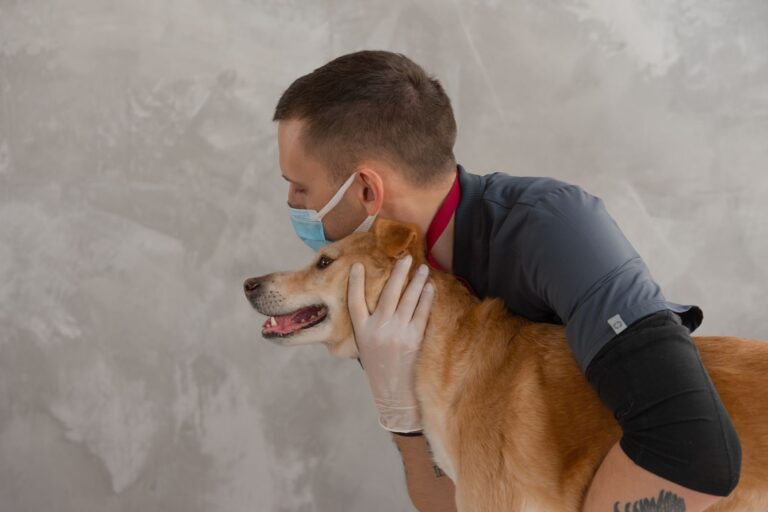
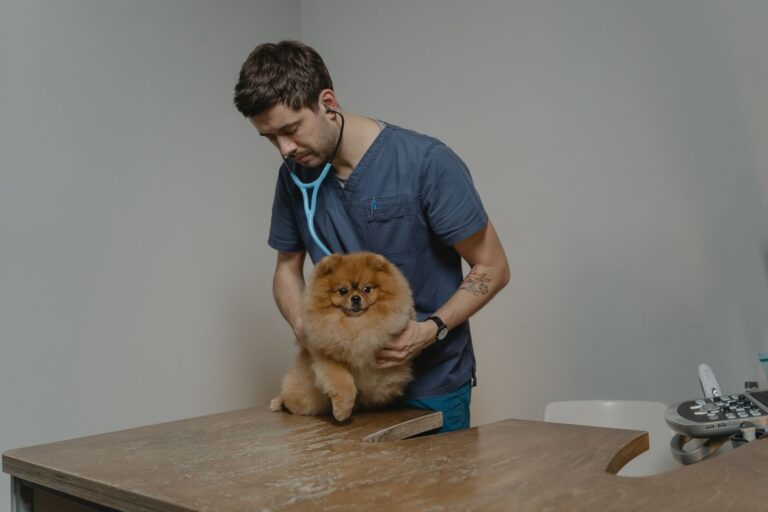
While most shedding is normal, excessive hair loss can sometimes indicate an underlying issue. If you notice bald patches, baldness, or your dog is losing hair much more than usual year-round, consult your veterinarian. Conditions like allergies, skin infections, parasites, or hormonal issues may require treatment.
Wrapping Up: Living Harmoniously with Shedding
Shedding is a natural part of having a dog, especially in Ottawa’s climate. While you can’t completely eliminate it, you can significantly manage it. By incorporating regular brushing, strategic grooming, a healthy diet, and smart home cleaning habits, you can minimize the fur fallout and keep your Ottawa home comfortable for everyone. Embrace the fluff (it’s great for cuddling!), but be prepared with these practical tips to keep shedding under control. Happy, healthy dogs mean happy, cleaner homes!
Happy Ottawa dog parenting!