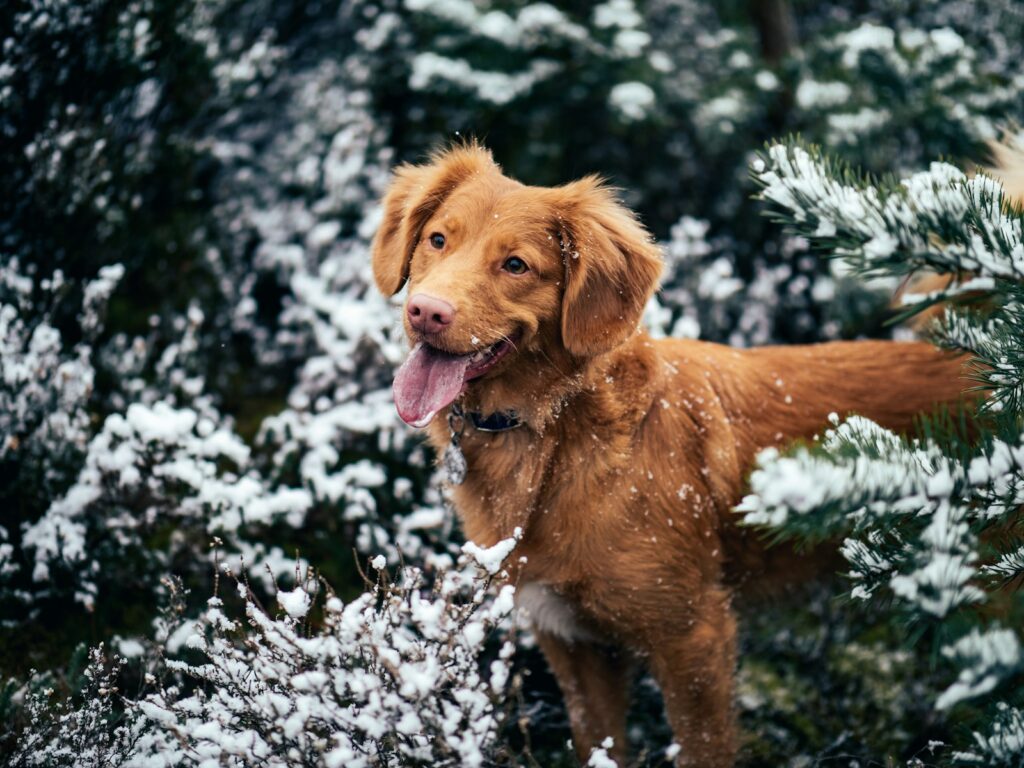

Keeping Your Edmonton Dog Safe Through Winter
Ah, Edmonton winters. Snow-dusted landscapes, festive lights, and record-low temperatures. While we embrace the beauty of the season, our four-legged friends require careful attention to ensure they stay safe and comfortable. Winter can be tough on dogs, especially those not fully equipped for the cold. This guide offers practical tips to help you navigate Edmonton’s colder months with your furry companion.
Understanding the Cold Weather Dangers
Edmonton’s winters are known for their intensity. Temperatures can plummet, especially during the depths of winter or in windy conditions. Dogs handle cold differently than humans, and their tolerance depends on several factors:
- Breed: Short-coated breeds, those with thin fur, or breeds originally from warmer climates are more susceptible to the cold. Double-coated breeds (like Huskies or Malamutes) often handle colder temperatures better but still need care.
- Age: Puppies, senior dogs, and those with health conditions (like hypothyroidism or heart disease) have less ability to regulate their body temperature and are more vulnerable.
- Size: Smaller dogs generate less body heat and lose it faster than larger breeds.
- Fitness Level: A well-conditioned dog generally fares better in the cold than one that is out of shape.
- Coat: A thick, healthy coat provides insulation. Dogs without adequate coats (short-haired breeds, or those with matted fur) need extra protection.
- Acclimatization: Dogs gradually build some tolerance to cold, but sudden drops in temperature or wind chill can still be dangerous.
Key Terms to Understand
- Wind Chill Factor: This measures how cold the air feels due to wind. Edmonton’s wind chill can make temperatures feel much colder than the actual air temperature. Pay attention to weather forecasts reporting wind chill.
- Hypothermia: A dangerous drop in body temperature. Signs include shivering (initially), lethargy, slow heart rate, and cold extremities.
- Frostbite: Freezing of tissues, most commonly affecting ears, paws, tail, and sometimes nose. Signs include redness, swelling, coldness, and potential blistering.
Preparing Your Dog for Winter Walks
Going outside in Edmonton isn’t just for exercise anymore; it’s also about safety. Here’s how to prepare:
Dressing Your Dog for Cold Weather
Clothing can make a significant difference, especially for dogs with shorter coats or those with health issues.
- Dog Sweaters or Jackets: High-quality, insulated sweaters or jackets are essential. Ensure they fit properly – too loose, and they flap and create drag; too tight, and they restrict movement and breathing. Consider reflective vests for early morning or evening walks.
- Booties: Protect your dog’s paws from snow melters (like rock salt and calcium chloride), which can cause irritation and dryness. Booties also protect paws from extreme cold and rough ice. Look for waterproof, insulated, and non-slip options.
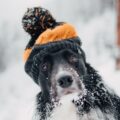
- Head Protection: Consider insulated coats with hoods or just a warm hat, especially for dogs with short or thin coats. Ensure hoods aren’t too tight around the neck or mouth.
Choosing the Right Time and Route for Walks
- Avoid Peak Cold: Try to walk your dog during milder parts of the day (late afternoon/early evening if possible, or mid-day if extremely cold). Check the weather forecast for wind chill.
- Watch the Duration: Keep walks shorter and less frequent during extreme cold. Quality over quantity.
- Hydrate: Ensure your dog has access to fresh, unfrozen water before, during, and after walks. Salt and ice can contaminate water bowls.
- Know Your Dog: Pay close attention to your dog’s behaviour. If they seem uncomfortable, shivering excessively, or reluctant to move, it’s time to head home.
- Route Selection: Stick to well-lit, less icy paths if walking in the evenings. Avoid areas with excessive ice melt or slush if your dog wears booties.
Dealing with Snow Melters
While sometimes necessary, snow melters can be harsh on paws.
- Clean Thoroughly: After walks, wipe your dog’s paws, belly, and face with a damp cloth or pet-safe paw balm to remove any debris or chemicals.
- Offer Dog-Safe Foot Baths: For longer walks or if your dog seems uncomfortable, a shallow foot bath with warm water (around body temperature) can help. Add a pet-safe antifreeze product if needed, but plain warm water often suffices.
- Use Pet-Friendly Products: There are paw balms and sprays designed to protect against the drying effects of de-icers. Look for natural or pet-safe ingredients.
Coat Care in Cold Weather
A dog’s coat is their primary insulation.
Brushing
Regular brushing is crucial, even in winter. Mats can trap heat and moisture, leading to hypothermia or discomfort.
- Remove Snow Mats: Check for mats after walks and gently brush them out.
- Keep Coats Healthy: A healthy, thick coat provides better insulation. Continue regular grooming.
Trimming
For some breeds, a professional haircut (like a winter coat cut) can be beneficial by reducing the risk of mats and keeping the coat manageable.
- Consult Your Vet/Groomer: Discuss whether trimming is appropriate for your dog’s specific breed and coat type.
Diet and Hydration
Cold weather increases a dog’s energy needs slightly to maintain body heat.
Adjusting Food Intake
- Slightly Increase Calories: Ensure your dog is eating a balanced diet appropriate for their activity level. You might need to increase kibble slightly, but consult your veterinarian first, as their needs don’t drastically change unless they are very active outdoors.
- Focus on Quality: Good quality food provides better energy and overall health.
Ensure Fresh Water
As mentioned, hydration is key. Ensure water bowls are never frozen and are changed regularly. Heated water bowls can be a good investment.
Shelter Considerations
While most Edmonton homes are fine for dogs, ensure your indoor environment is safe:
Indoor Comfort
- Keep Them Warm Indoors: Ensure your dog has a warm, draft-free sleeping area. Provide a cozy bed or blanket.
- Avoid Drafts: Keep windows closed or draft-proofed, especially near where your dog spends time.
- Limit Time Outside: Minimize time spent outside, even for bathroom breaks, during extreme cold.
Outdoor Shelter (If Your Dog Sleeps Outside)
If your dog sleeps outdoors, ensure they have proper shelter:
- Insulated Kennel: A well-insulated, three-sided kennel is best.
- Bedding: Straw or wood shavings (avoid cedar if sensitive) provides insulation.
- Water Access: Ensure unfrozen water is available.
- Check Regulations: Ensure your outdoor kennel meets local bylaws.
Signs Your Dog is Too Cold
- Shivering (initial sign, but shivering can stop before severe hypothermia)
- Hiding or reluctance to go outside
- Lethargy or quietness
- Blue or pale gums
- Slow heart rate
- Cold extremities
If you notice any of these signs, bring your dog inside immediately and warm them slowly. Seek veterinary attention if they are lethargic or showing signs of severe cold.
Conclusion: A Paw-Friendly Edmonton Winter
Winter in Edmonton doesn’t have to be uncomfortable for your dog. By being aware of the risks, preparing your dog with appropriate clothing and gear, and adjusting your routine, you can keep your furry friend safe and happy all season long. Pay close attention to your dog’s body language, provide adequate shelter and nutrition, and enjoy the snowy landscapes responsibly. Edmonton pet owners, bundle up with your best friend and embrace the winter wonderland safely!