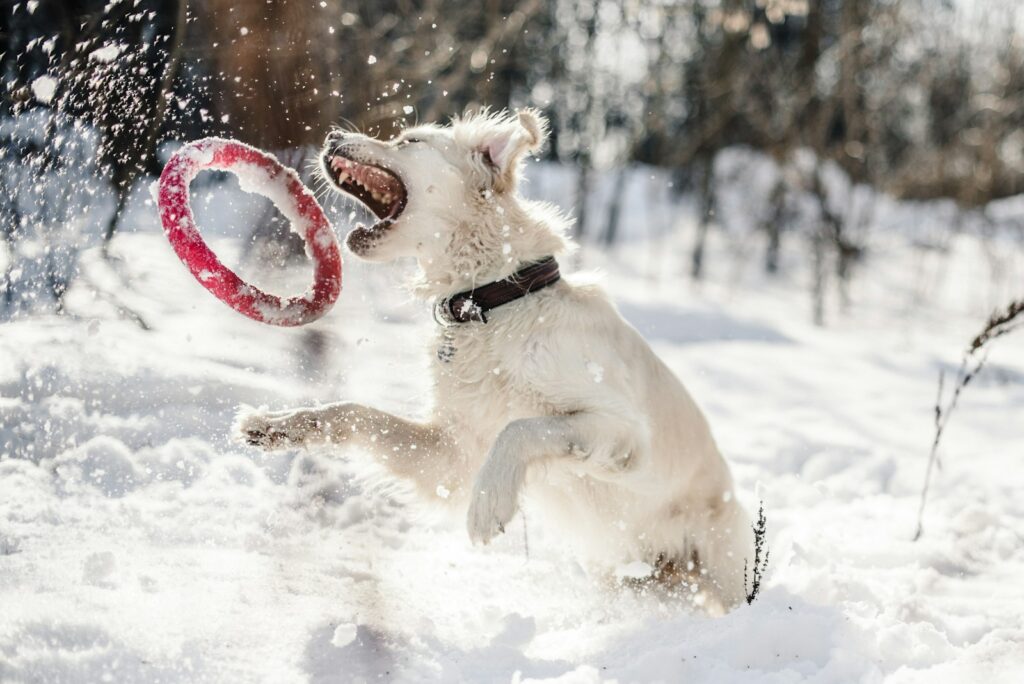

Keeping Your Calgary Dog Safe This Winter
Calgary’s winters bring beautiful snowscapes and crisp, clean air, but they also present unique challenges for our canine companions. Ensuring your dog stays healthy and comfortable during the colder months requires thoughtful preparation and ongoing care. This guide covers essential tips to keep your furry friend safe and happy from November through March.
Understanding the Risks
While dogs are often enthusiastic about snow and playtime, extreme cold and weather-related hazards can pose serious risks:
- Hypothermia: Loss of body heat, common in cold weather and wet conditions.
- Frostbite: Freezing of skin and potentially tissues beneath, commonly affecting extremities (ears, face, tail, paws).
- Cold Stress: Overheating due to respiratory issues (especially for short-nosed breeds).
- Electrical Dangers: Snow and ice hiding downed power lines.
- Toxic Treats: Accidental ingestion of antifreeze or other harmful substances.
Being aware of these risks is the first step toward preventing them.
Essential Winter Gear for Calgary Dogs
Proper clothing and equipment are crucial for keeping your dog comfortable and protected:
Winter Coats and Sweaters
- Not All Coats Are Created Equal: A snug-fitting coat designed for cold weather is essential. Many dogs, especially short-coated breeds or those with thin coats, will need a coat.
- Know Your Dog: Observe your dog. If they shake their head vigorously after coming in from the cold or need to stand with their paws tucked against their stomach, a coat is likely needed.
- Check Frequently: Coats can become ineffective if they get wet or compressed.
Protecting Paws and Snouts
- Dog Boots: Protect paws from ice melt chemicals, snow, ice, and potentially harmful debris. Break in boots gradually to ensure a good fit.
- Snow Boots: A stylish alternative, but ensure they provide adequate protection.
- Earmuffs: Consider earmuffs for dogs with small, exposed ears (like Greyhounds or Whippets) during very cold weather.
- Tail Covers: Can provide extra warmth, but ensure they don’t restrict blood flow.
Other Protective Items
- Eye Protection: Snow blindness (photokeratitis) from reflected UV rays off snow is a risk. Dog goggles can help.
- Hazard Lights: Reflective gear or attaching a hazard light to your dog’s collar or harness makes them much more visible in snowy, low-light conditions.
Important Note on Sleds/Harnesses
- Sleds: While fun, pulling sleds is strenuous work. Ensure your dog is healthy, fit, and enjoys pulling. Use a harness designed for sledding, not a simple collar.
- Harnesses: Ensure your regular winter harness fits properly and doesn’t restrict breathing.
Managing Exercise and Outdoor Time
- Duration: Keep initial outdoor time short. Fifteen minutes per day is often sufficient for many dogs. Watch for signs of discomfort or fatigue.
- Warm-Ups: Allow your dog to stretch and move indoors for a few minutes before and after walks.
- Indoor Enrichment: Don’t underestimate the value of indoor play, snuffle toys, and puzzle games. Calgary homes offer ample space for entertaining your dog!
- Timing: Avoid the absolute coldest parts of the day (typically mid-morning to late afternoon) if possible.
- Calgary-Specific Parks: Many Calgary parks like Fish Creek Provincial Park, Nose Hill Park, and Shepard’s Park offer snowy terrain. Always check conditions and trail reports.
Hydration and Nutrition in the Cold
- Water: Ensure fresh, unfrozen water is available at all times. Use a heated water bowl or frequently break ice. Hydration is critical even in cold weather.
- Food: Increase food slightly if your dog is very active outdoors or wearing a coat. Consult your vet for specific dietary advice.
- Calories: Dogs using gear or working hard outdoors may need extra calories. Again, consult your vet.
- Toxic Ingestion: Be vigilant about antifreeze (ethylene glycol or propylene glycol). Propylene glycol is less toxic but still dangerous. Secure any products containing it. Other toxins include chocolate, xylitol (found in gum and toothpaste), and certain human foods.
Providing Adequate Shelter
- Indoor is Best: The safest place for your dog is indoors with you.
- Outdoor Kennels/Lounges: If your dog must be outside:
- Insulation: Use straw or wood shavings (check for pests) in the bottom.
- Bedding: Avoid cedar or pine shavings as they can irritate respiratory systems.
- Drafts: Ensure the shelter is well-protected from wind and weather.
- Water: Provide unfrozen water at all times.
- Location: Place the shelter near your home for easier monitoring.
- Check Regulations: Ensure your outdoor kennel or run meets local Calgary animal bylaws.
Emergency Preparedness
- Microchip: Ensure your dog’s microchip has up-to-date information and contact details.
- Collar/Harness & ID Tags: Even with a microchip, a visible collar with your current contact information is essential.
- Calgary’s Weather: Be prepared for blizzards or extreme cold. Plan for how you would get your dog inside if roads are impassable.
- Emergency Kit: Keep a kit in your car with essentials:
- Food and water bowls with fresh supplies
- Doggy bags
- A leash and favourite toy
- A winter coat and booties
- Medications
- A first-aid kit
- Copies of your dog’s health records
- Your phone and emergency number
- Lost Dog Plan: Know what to do if your dog gets lost. Check local Calgary shelters and veterinary clinics immediately.
When to Seek Veterinary Care
Monitor your dog closely for signs of cold-related illness:
* Shivering (that doesn’t stop with warming)
* Lethargy or weakness
* Slow heart rate
* Blue-tinged gums or nose
* Excessive panting
* Cracked or frozen paws
* Signs of frostbite (white or hard skin, especially on ears, nose, tail, or paws)
If you notice any of these, consult your veterinarian promptly.
Conclusion
Calgary’s winters can be magical for both humans and dogs. By being prepared, observant, and proactive, you can ensure your canine companion enjoys the season safely. Remember to prioritize your dog’s comfort, provide appropriate gear, limit exposure to extreme conditions, and always have an emergency plan in place. Happy, healthy dogs make Calgary winters even better!