
Understanding Canine Confidence
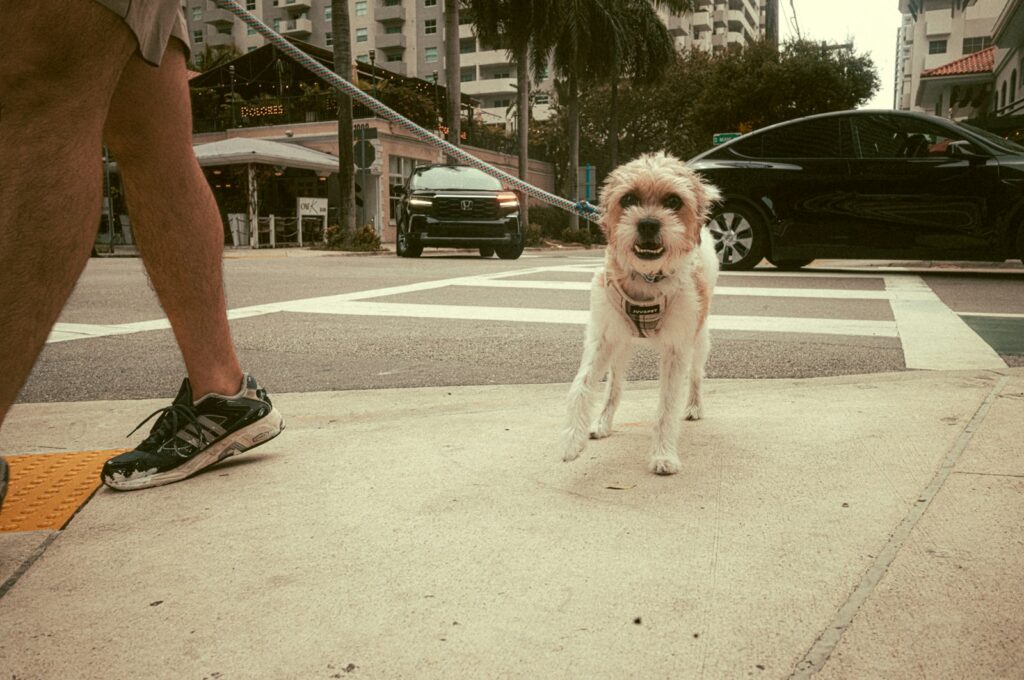
Before diving into tips, it’s helpful to understand what confidence looks like in dogs. A confident dog typically displays relaxed body language, is curious but not overly anxious, and handles new situations with a calm demeanor. Conversely, a lack of confidence often manifests as fear, avoidance, excessive barking, or destructive behavior when faced with unfamiliar situations or stimuli.
Boosting your dog’s confidence isn’t about making them fearless (which isn’t possible or desirable) but about helping them feel capable and secure in their environment. This foundation leads to better behavior, stronger bonds, and a more enjoyable life for both you and your dog.
The Foundation: Positive Reinforcement
Positive reinforcement is the cornerstone of building confidence. This means rewarding desired behaviors or calm responses with something your dog values, like praise, treats, or affection.
Making Rewards Effective
- Value Counts: Use high-value treats (like small pieces of chicken, beef liver, or small salivary gland glands – yes, those are edible treats!) that your dog particularly loves. You might need to experiment to find out what works best for yours.
- Timing is Key: Mark the desired moment (e.g., with a “yes!” or a clicker) and reward immediately. This helps your dog connect the reward to the specific calm action.
- Consistency: Always reward calm, confident, or appropriately curious behavior. This reinforces that being relaxed gets them a reward.
Practice Makes Progress
- Start small: Practice in low-stress environments first, like your own home or a quiet park like Nose Hill Park.
- Keep sessions short: 5-10 minutes is plenty. End on a positive note.
Gentle Socialization: The Key to Worldly Confidence
Socialization isn’t just about meeting tons of dogs; it’s about exposing your dog to various sights, sounds, and experiences in a controlled, positive way.
What to Include in Socialization
- Different People: Exposure to people of various ages, sizes, and appearances (even just looking at them or having a calm conversation nearby).
- Other Calm Dogs: Visits to off-leash parks like Inglis Dog Park (but read the rules carefully!) or organized playdates with known, calm, friendly dogs.
- Varying Environments: Walks in different parts of Calgary, visiting different parks (like Fish Creek or Taylor Park), and experiencing different weather conditions.
- Everyday Noises: Get used to sounds like vacuum cleaners, dishwashers, car engines (starting and stopping), and even the sound of the doorbell.
Making Socialization Stress-Free
- Go at Your Dog’s Pace: Never force them. If they seem hesitant, retreat or change the situation.
- Keep First Exposures Positive: Ensure they associate new experiences with rewards and calmness.
- Focus on Body Language: Watch for relaxed signals like soft eyes, loose body posture, and slow blinking.
Controlled Exposure: Facing Fears Gradually
If your dog has specific fears (like loud noises, other animals, or certain people), controlled exposure can be very effective.
How to Approach Controlled Exposure
- Identify the Trigger: What makes your dog anxious?
- Start Extremely Far Away: Introduce the trigger from a distance where your dog is completely relaxed.
- Use Positive Reinforcement: Reward calm behavior even from a distance.
- Gradually Decrease Distance: Only move closer if your dog remains relaxed or only shows slight curiosity.
- Repeat: Consistency is key. This process takes time and patience.
Always prioritize your dog’s comfort and emotional state. If they become distressed, increase the distance and try again later.
The Power of Routine and Security
A predictable environment can significantly reduce anxiety and boost confidence.
Establishing Routines
- Feeding Times: Stick to the same schedule.
- Walk Times: Try to go out at similar times each day.
- Bedtime: A consistent routine helps your dog feel safe.
Creating a Safe Haven
- Designate a Calm Space: Provide a quiet room with their bed, water bowl, and favorite blanket.
- Crate Training (if applicable): A crate can be a safe, den-like space, especially during potentially stressful events.
Exercise: Confidence Comes from Physical Well-being
Regular, enjoyable exercise isn’t just good for their body; it helps with mental well-being too.
Tailored Exercise
- Mental Stimulation: Puzzle toys, scent work, and training sessions engage their mind.
- Physical Activity: Hikes in areas like Fish Creek Provincial Park (leash-exercise areas available), brisk walks, and playtime burn off energy and release endorphins.
- Adapt to Their Needs: Some dogs thrive on active adventures, others prefer calmer exercise. Match the activity to their personality.
Training: Building Skills and Self-Assurance
Learning new skills can be empowering for dogs.
Effective Training Approaches
- Positive Reinforcement: Always reward effort and success.
- Start Simple: Focus on basics like loose leash walking or waiting at the door.
- Enrichment Activities: Teaching simple tricks or scent detection games can boost their confidence.
When to Seek Help
If confidence issues are severe or persistent (like extreme fear, panic attacks, or aggression), consider consulting a qualified positive reinforcement trainer or an animal behaviorist in Calgary who specializes in fear and confidence issues. Avoid punishment-based training, as this can severely damage confidence.
Common Pitfalls to Avoid
- Ignoring Fear: Trying to force a dog out of their comfort zone without preparation can worsen issues.
- Using Punishment: This teaches fear of you or the situation, destroying confidence.
- Over-Socializing: Bombarding a dog with too much input too quickly can overwhelm.
- Comparing Dogs: Every dog has a unique personality and timeline.
- Setting Unrealistic Expectations: Progress takes time and patience.
Wrapping Up
Building your dog’s confidence is an ongoing process of gentle guidance, positive reinforcement, and understanding their unique needs. By focusing on creating positive experiences and respecting their comfort level, you can help your Calgary companion navigate the world with greater ease and joy. Patience and consistency are your best tools on this rewarding journey.