In this story
Bringing a puppy home in Winnipeg means raising a dog in one of Canada’s most extreme — and most dog-friendly — prairie cities. There are big off-leash parks, long river trails and whole neighbourhoods of dog people, but there is also a winter that regularly drops below −30°C and a spring melt that turns every low spot into a pond. Getting the first few months right here is mostly about timing, paperwork and warm layers.
This guide walks through the Winnipeg version of puppyhood: the licence and its deadline, the first vet visit and your middle-of-the-night emergency option, housetraining in deep cold, safe socialization, and the seasonal hazards that shape a puppy’s first year.

Licensing your puppy in Winnipeg
Winnipeg’s Responsible Pet Ownership By-law 92/2013 requires every dog over six months old to be licensed, so your puppy’s first licence is a date to circle in the calendar — the six-month birthday. As of January 1, 2026, the City’s fee schedule lists an annual dog licence at $41.50 for a spayed or neutered dog and $138 for an intact one, which is one more reason most owners book the spay or neuter in the first year. Licences are sold through the City’s Animal Services Agency — online via the City’s pet licensing pages, by calling 311, or in person at Animal Services — and the tag should ride on your puppy’s collar once they are old enough to wear one comfortably.
The same by-law caps households at four dogs, requires dogs to be leashed — no longer than six feet — off your own property, and prohibits pit bull-type breeds in the city. None of that changes puppyhood day to day, but it is worth knowing before you fall in love with a second puppy.
The first vet visit — and the 2 a.m. option
Book a first checkup with a regular clinic near home in the first week or two, even if your puppy came with vet records. That visit sets up the vaccination schedule — puppies generally need a series of core shots spaced a few weeks apart through their first months, plus rabies — and it gives you a vet who knows your dog before anything goes wrong. Bring whatever paperwork the breeder, rescue or shelter gave you, and ask about microchipping, deworming and when to spay or neuter. Vaccine timing and products vary by puppy, so treat any schedule you read online as a rough sketch and check the specifics with your vet.
For emergencies, know this name before you need it: the Winnipeg Animal Emergency Hospital at 400 Pembina Highway, which works alongside Pembina Veterinary Hospital and provides 24/7 emergency and critical care. Save the address in your phone. Puppies eat socks, chew sticks wrong and find every hazard in the house, usually on a Sunday night.
The first weeks at home
The first fortnight is about routine: the same feeding times, the same door for bathroom breaks, the same sleeping spot. A crate or a small penned area helps a puppy feel secure and keeps overnight accidents contained. Expect broken sleep — most young puppies need a middle-of-the-night bathroom trip — and expect housetraining to be a Winnipeg winter sport. Pick one outdoor spot close to the door, go out on leash, praise, come straight back in. In deep cold, a puppy coat and a cleared, shovelled patch of ground make those trips far easier for both of you.
Start gentle handling early: paws, ears, teeth, collar grabs paired with treats. Winnipeg puppies grow into dogs that need booties, paw checks and the occasional ice ball removed from between their toes, and a dog that learned “paws get touched” at ten weeks old is a much easier patient.
Socialization around the city
The main socialization window runs through roughly the first three to four months of life, which overlaps with the vaccination series — so the trick is safe exposure, not isolation. Carry your puppy through new places, invite vaccinated, calm adult dogs over for playdates, and let your puppy watch the world — buses, bikes, snowmobiles, kids in snowsuits — from a safe distance with treats for bravery.
For structured help, the Winnipeg Humane Society runs puppy socialization classes and puppy manners classes, a low-cost way to get supervised puppy play and training basics in one stop. Save the big off-leash parks for later, once vaccinations are complete and recall training has started: the fenced Brenda Leipsic Dog Park in Fort Garry and the fenced Bonnycastle Park downtown are the friendliest first off-leash visits, while the huge unfenced areas like Little Mountain Park suit older puppies with a reliable recall. Note that Kilcona Park’s off-leash area is leash-only during its 2026–27 redevelopment — check the City’s off-leash map before you go.
Seasonal hazards for a Winnipeg puppy
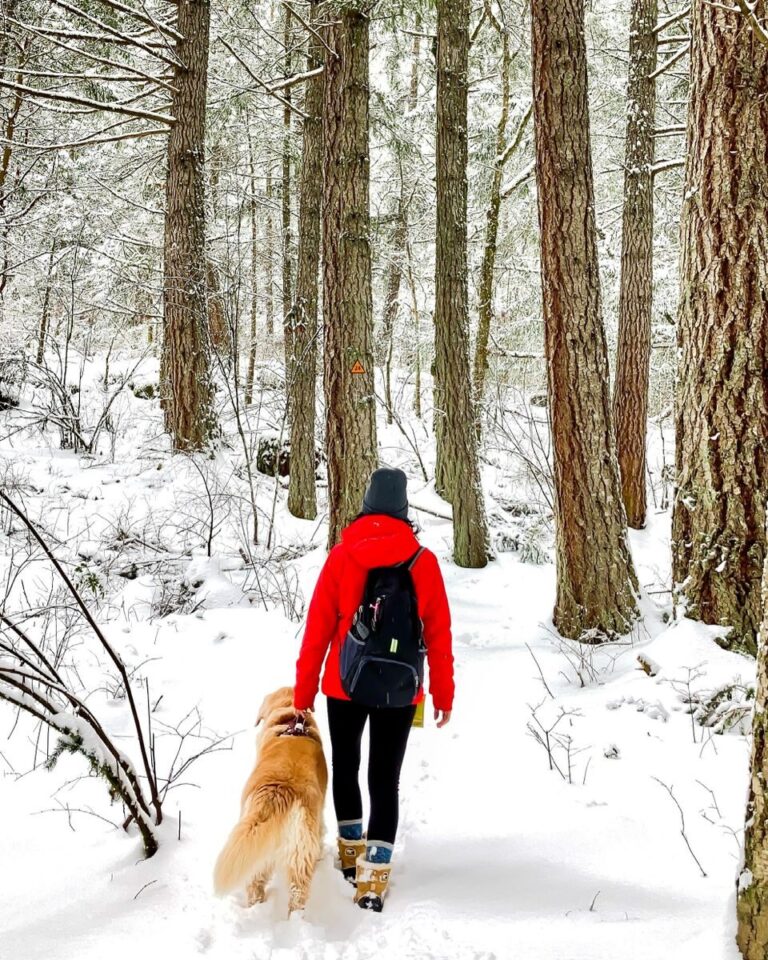
Winter is the headline. January averages about −16.3°C, and cold snaps go far lower. Puppies lose heat fast: keep bathroom breaks brief in extreme cold, watch for paw-lifting, shivering or whining — all signs to head in — and remember that ears, tails and paws are the frostbite-prone spots, as Winnipeg vets remind owners every winter. Booties or paw balm help against ice, cold pavement and road salt, and a coat is standard gear for small and short-haired puppies. On the coldest days, swap the walk for indoor play, puzzle feeders and short training games.
Spring brings meltwater everywhere: keep puppies out of swollen rivers, creeks and retention ponds, and rinse salty, muddy paws at the door. Summer flips the problem — hot pavement, heat and mosquitoes — so walk in the morning and evening, carry water, and ask your vet about parasite prevention suited to your puppy.
Good to know before you go
Licence by six months old ($41.50 a year spayed or neutered, $138 intact, at 2026 rates). Leash no longer than six feet off your property. Maximum four dogs per household. Emergency care, day or night: Winnipeg Animal Emergency Hospital, 400 Pembina Highway. And build your winter kit — coat, booties or balm, towels by the door — before the first cold snap, not during it.
A Winnipeg puppyhood has a rhythm all its own: short winter dashes, glorious summer evenings, and a dog that comes out of it hardy and unflappable. For more ways to enjoy the city together, explore our other Winnipeg guides on Canada Mutts.