In this story
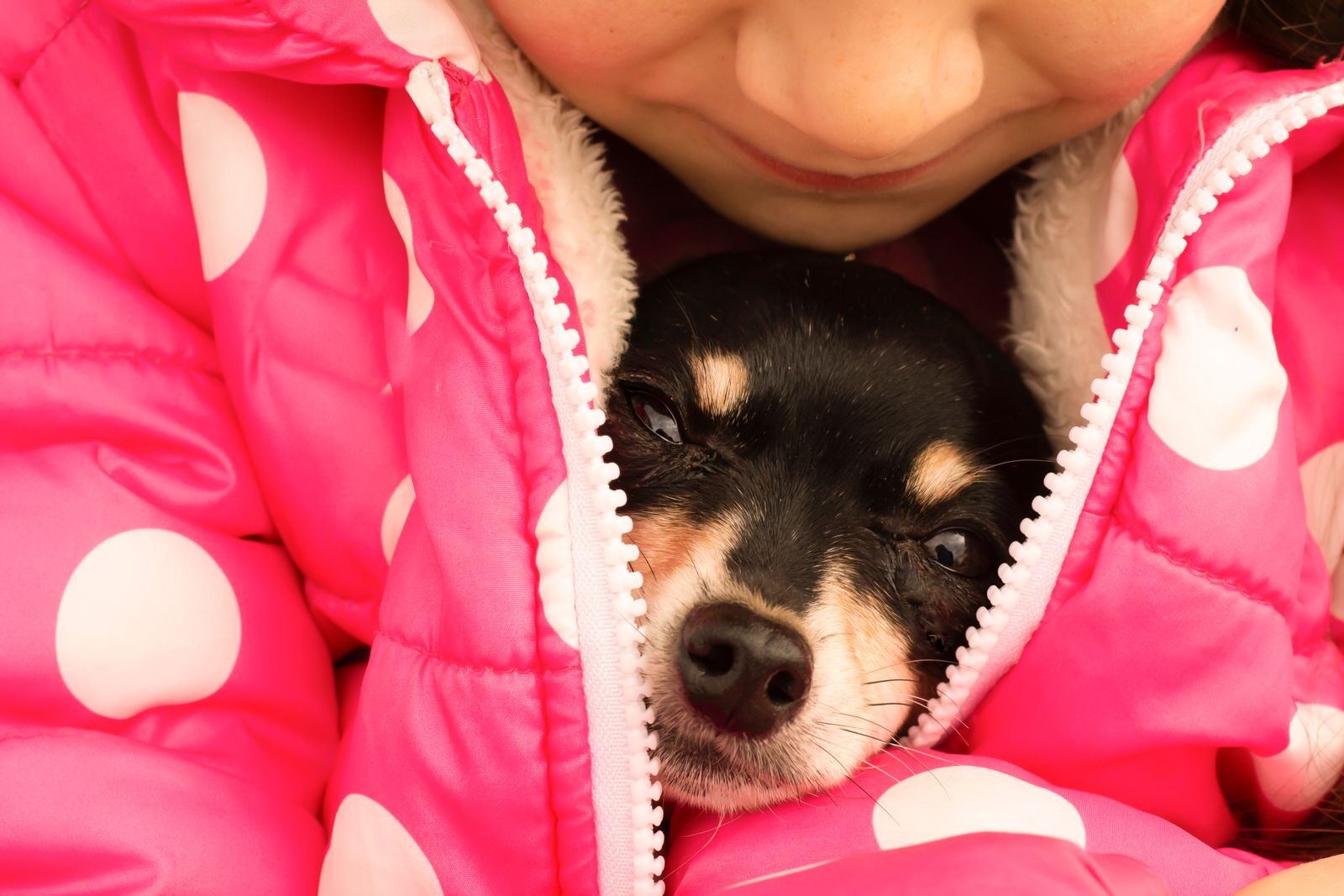
Welcoming a Dog to Your Mississauga Family
Bringing a furry friend into your home is one of life’s greatest joys, especially when you have kids. In a city as welcoming as Mississauga, dog ownership is common, and many families enjoy the companionship and outdoor adventures their pets bring. However, introducing a dog to children requires care, patience, and understanding to ensure positive experiences for everyone involved. This guide offers practical advice for safely and harmoniously integrating dogs and kids in our community.
Why Positive Introductions Matter
The way dogs and children first meet sets the tone for their entire relationship. Positive, controlled introductions help build trust and mutual respect, leading to a harmonious bond. Conversely, rushed or fearful encounters can create lasting negative associations, potentially leading to stress for both the dog and the child. A well-managed introduction considers the needs and boundaries of both the dog and the child, laying the foundation for a happy, safe coexistence.
Preparation is Key: Setting the Stage for Success
Before the first meeting, some groundwork can make a significant difference:
1. Choose the Right Dog:
*   Selecting a dog breed and temperament that suits your lifestyle and family dynamics is crucial. Some breeds are naturally more tolerant of children, but individual personality varies greatly. Look for puppies or dogs known for patience and gentleness.
*   Ensure the dog is well-socialized from a young age, particularly with children and other household members.
2. Prepare Your Home:
*   Create safe spaces for the dog, like a crate or a quiet room, where they can retreat if they feel overwhelmed.
*   Keep a close eye on interactions, especially initially, to prevent any accidental rough play or misunderstandings.
*   Consider using a baby gate to allow supervised access to common areas.
3. Prepare Your Children:
*   Explain the upcoming changes to your kids in an age-appropriate way. Emphasize being gentle and calm around the new dog.
*   Teach children basic safety rules, like not approaching dogs when they are sleeping, eating, or tied to something.
The First Introduction: Slow and Gentle
The initial meeting should be calm, controlled, and positive.
1. One-on-One First:
*   Introduce the dog and child in a neutral location, like a park (e.g., Riverfront Park or Centennial Park), rather than the dog's home territory.
*   Keep the dog on a leash for control.
2. Controlled Environment:
*   Start with brief, calm encounters. Keep interactions short at first.
*   Maintain a safe distance. Allow the dog to sniff the child, but prevent jumping, mouthing, or pulling on the leash.
*   Let the dog initiate contact if possible.
3. Positive Reinforcement:
*   Use high-value treats (like small bits of kibble or small Canadian-made training treats) to reward calm, friendly behaviour from the dog.
*   Praise calmly and enthusiastically from a distance.
*   Reward the child for calm, gentle, and respectful behaviour.
Supervised Interactions: Building Bonds Safely
Once initial introductions go well, gradually increase the duration and frequency of supervised play.
1. Always Supervise:
* Never leave a dog and child alone together until you are absolutely certain the dog is comfortable and accepting. Mississauga homes and parks are full of distractions, but close supervision is paramount.
2. Encourage Gentle Play:
*   Teach children how to approach dogs gently and respectfully.
*   Reward calm play, like gentle touching or petting. Discourage pulling ears or tails.
*   Ensure children understand to stop if the dog shows any sign of discomfort.
3. Respect Boundaries:
*   Watch for signs the dog is uncomfortable or stressed (whining, tucked tail, growling, avoiding eye contact). If these signals appear, calmly end the interaction.
*   If a dog doesn't enjoy rough play, honour that and redirect both parties.
4. Use Appropriate Public Spaces:
*   Utilize well-maintained parks in Mississauga like Credit River Dog Park, ensuring both dog and child are respectful of rules and other park users.
*   Teach children to be mindful of other dogs and people.
Teaching Kids How to Be Dog Friends
Instilling good behaviour in children is vital for a positive dynamic.
1. Be a Role Model:
* Demonstrate calm, gentle, and respectful interactions with dogs yourself.
2. Explain Dog Body Language:
* Teach children what relaxed body language looks like (soft eyes, loose body) versus signs of stress (stiff body, tucked tail, yawning).
3. Encourage Patience:
* Remind children that dogs have different temperaments and may need time to adjust.
4. Reward Good Behaviour:
* Praise children specifically when they interact kindly and safely with dogs.
Ensuring Dog Safety Around Kids
Protecting your dog’s well-being is just as important as ensuring child safety.
1. Teach Children Boundaries:
*   No grabbing, pulling, or jumping on the dog.
*   No sneaking up or scaring the dog.
2. Manage the Dog:
*   Keep the dog on a leash indoors and in situations where children might unintentionally provoke a reaction.
*   Use a crate or safe room for the dog when unsupervised.
3. Be Mindful of Small Spaces:
* Ensure children understand not to enter a dog's crate or sleeping area.
Essential Tips for a Harmonious Relationship
- Consistency is Key: Always enforce the same rules and expectations around dog interactions.
- Manage the Dog’s Environment: Provide safe spaces for the dog to escape if feeling overwhelmed.
- Monitor Energy Levels: Ensure interactions happen during calm times for both dog and child.
- Gradual Progression: Never rush the process. Allow plenty of time for both parties to adjust.
- Professional Help: If you encounter persistent issues, consider consulting a Mississauga dog trainer or behaviourist.
Final Thoughts: A Loving Mississauga Family Tradition
Integrating a dog into a family with children in Mississauga is a rewarding experience that brings immense joy and companionship. By prioritizing safety, respect, and patience, you can help foster a positive, lasting bond between your furry family member and your children. Remember, every dog is an individual, and positive experiences built on trust and understanding are the foundation for a harmonious relationship in our wonderful community.
Related posts:
 Adopting a Puppy in Mississauga: Your Step-by-Step Guide
 Why Dogs Jump Up ΓÇö and How to Help in Mississauga
 Positive Reinforcement Training: Why It Works Wonders for Your Dog in Mississauga
 The Loose-Leash Walk: A Mississauga Guide
 Dealing with Squirrel Chasing in Mississauga: Training Tips for Calmer Dogs