In this story
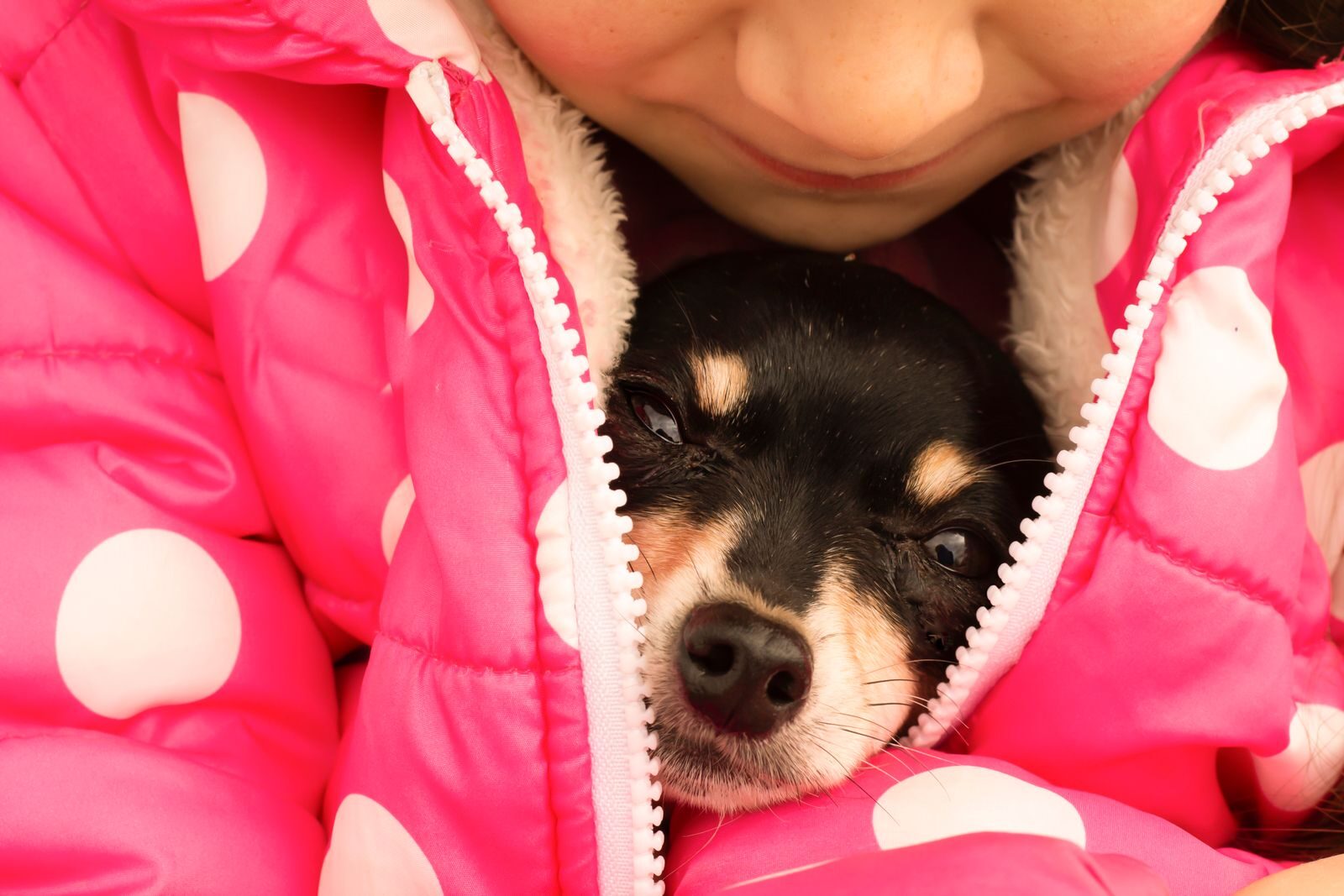
How to Safely Introduce Dogs and Kids in Calgary
Bringing home a dog while you’re raising children is a wonderful way to build a loving, multi-pawned family. In the vibrant city of Calgary, where families thrive and neighbourhoods buzz with energy, creating harmonious relationships between kids and dogs requires patience, understanding, and careful planning. This guide offers practical advice to help ensure positive, safe interactions for everyone in your Calgary home.
Why Thoughtful Introduction Matters
Creating a safe environment for both your children and your dog is the first step towards a happy family dynamic. A well-managed introduction prevents potential stress or fear for both parties, fostering mutual respect and enjoyment. Think of it as building trust and understanding between two beings with different communication styles.
Start With Safety First
Before even thinking about letting your kids and dog interact directly, ensure safety protocols are in place:
Create a Safe Haven for Your Dog
Designate a quiet, calm space for your dog in your Calgary home where they can retreat if they feel overwhelmed. This could be a spare room or a specific corner with their bed, toys, and water bowl.
Establish Clear Boundaries
- Designated Areas: Have specific zones in your home where dogs are allowed and areas where they are not (especially when guests are present).
- Child Supervision: Always ensure an adult is present when young children are interacting with pets.
Never Leave Them Alone Together Initially
Close supervision is crucial during the early stages of any introduction. Even a quick trip to the bathroom could leave a dog feeling vulnerable or scared, or a child potentially mistaking play for roughhousing.
The Importance of Veterinary Care
Before bringing any dog into close contact with children, ensure your dog’s health is up to date.
Health Checkups
Regular vet visits to a reputable Calgary vet like Noseworthy Neighbourhoods ensure your dog is healthy and vaccinated, reducing the risk of disease transmission.
Parasite Prevention
Ensure your dog is on appropriate flea, tick, and worm prevention, especially as Calgary’s seasons bring varied challenges.
Vet Visits with Kids Present
Consider bringing your children with you to vet appointments. This familiarizes them with the vet environment and the carrier, making future visits less stressful. Ask your Calgary vet about age-appropriate ways to involve kids in their pet’s care.
Choosing the Right Meeting Environment
When is the right time to introduce your dog and child? It’s not just about age, but maturity and temperament.
Factors to Consider
- Child’s Age: Toddlers need more supervision than older kids. Age-appropriate interaction is key.
- Dog’s Temperament: A calm, well-socialized dog is generally easier to introduce than a high-energy or fearful one.
- Child’s Temperament: Some kids are naturally gentler with animals than others.
Ideal First Meeting
- Neutral Territory: Start in a controlled environment where both can exit if things get tense. Your own backyard (a playpen for the child) or a calm indoor space like a friend’s living room are good options.
- Not Too Crowded: Keep the initial meeting low-key. Just the kids, the dog, and an adult.
The “Two Leash” Technique
This method helps control the interaction and allows for calm contact:
How it Works
- Child on Leash: Have your child walk alongside the dog on a short leash.
- Dog on Leash: The dog wears a leash as well.
- Close Contact: Allow the dog to approach and sniff the child (with their face covered or head-butted gently on the leg) but keep contact brief.
This approach prevents unintentional pulling or mouthing while allowing the dog to initiate contact.
Supervised Supervision
- Constant Adult Presence: Always have an adult actively supervising the interaction. This adult should be calm and confident.
- Read Body Language: Learn to read dog body language (relaxed ears, soft eyes, loose body) and child body language (gentle touch, calm voice).
- Intervention Signs: Know when to intervene. If the dog growls, snaps, hides, or shows any sign of fear or stress, calmly separate them.
- Child’s Role: Teach children to read dog body language and understand that sometimes dogs need space.
Focus on Positive Interactions
Positive reinforcement is key to building a positive association:
For the Dog
- Reward Calmness: Use treats, praise, or play to reward calm, friendly behaviour towards the child.
- Avoid Scared Situations: Never force a dog to interact if they are scared. Punish fearful behaviour with ignoring or brief separation.
For the Child
- Encourage Gentle Play: Teach children to pet dogs gently, only on the shoulder or back, not on the head or tail.
- Explain Boundaries: Teach kids that if a dog doesn’t want to be touched, they need to respect that.
- Be a Good Role Model: Demonstrate calm and gentle interaction.
Tailoring to Calgary’s Parks and Public Spaces
Calgary offers fantastic places for families to spend time together with their dogs:
Calgary Parks
- When Visiting: Teach children to be gentle with unfamiliar dogs and to let parents know about their dog.
- Off-Leash Areas: Use common sense in off-leash areas, ensuring your dog is supervised and not approaching other dogs or children without control.
Noseworthy Neighbourhoods
Community spaces like Noseworthy Neighbourhoods are great for casual, supervised dog interactions.
Handling the Dog Appropriately
- No Rough Handling: Avoid grabbing or pulling ears or tails.
- Gentle Touch: Teach children to pet dogs gently.
- Understand Needs: Recognize when a dog needs alone time.
What to Do If Things Go Wrong
Even with careful planning, not every interaction will be perfect:
Common Issues
- Biting: If a child bites a dog, stop the interaction immediately. If a dog bites, seek veterinary care for the dog and medical attention for the child.
- Fear: If a dog shows fear around children, avoid forcing interactions. Seek advice from a local Calgary dog trainer.
- Aggression: If a dog shows aggression, do not leave it unsupervised with children and consult your vet or a trainer.
Patience and Consistency
Building a harmonious relationship between a dog and children takes time, patience, and consistency. What works best is creating positive experiences and respecting the needs of both your dog and your children.
Long-Term Success
- Positive Reinforcement: Continue rewarding calm, friendly behaviour.
- Supervised Practice: Gradually increase the duration and complexity of interactions.
- Community Resources: Calgary offers resources like Calgary Animal Services or local Calgary dog training groups for support.
Final Thoughts on Calgary Dog and Kid Life
Integrating a dog into your Calgary family is a rewarding experience. By prioritizing safety, patience, and positive reinforcement, you can help ensure that both your children and your dog thrive together. Remember to tailor your approach to your unique family dynamic and Calgary’s specific environment.
Happy Calgary living with your furry and human family members!
Related posts:
 Calm and Comfy: Helping Your Anxious Rescue Dog in Calgary
 Why Positive Reinforcement Training Works Wonders for Your Calgary Dog
 How to Boost Your Dog’s Confidence in Calgary
 Master Loose-Leash Walking in Calgary: A Calm Companion for Busy Sidewalks
 Calgary’s Best Kept Dog-Friendly Secrets: Parks and Spots Off the Trail