In this story
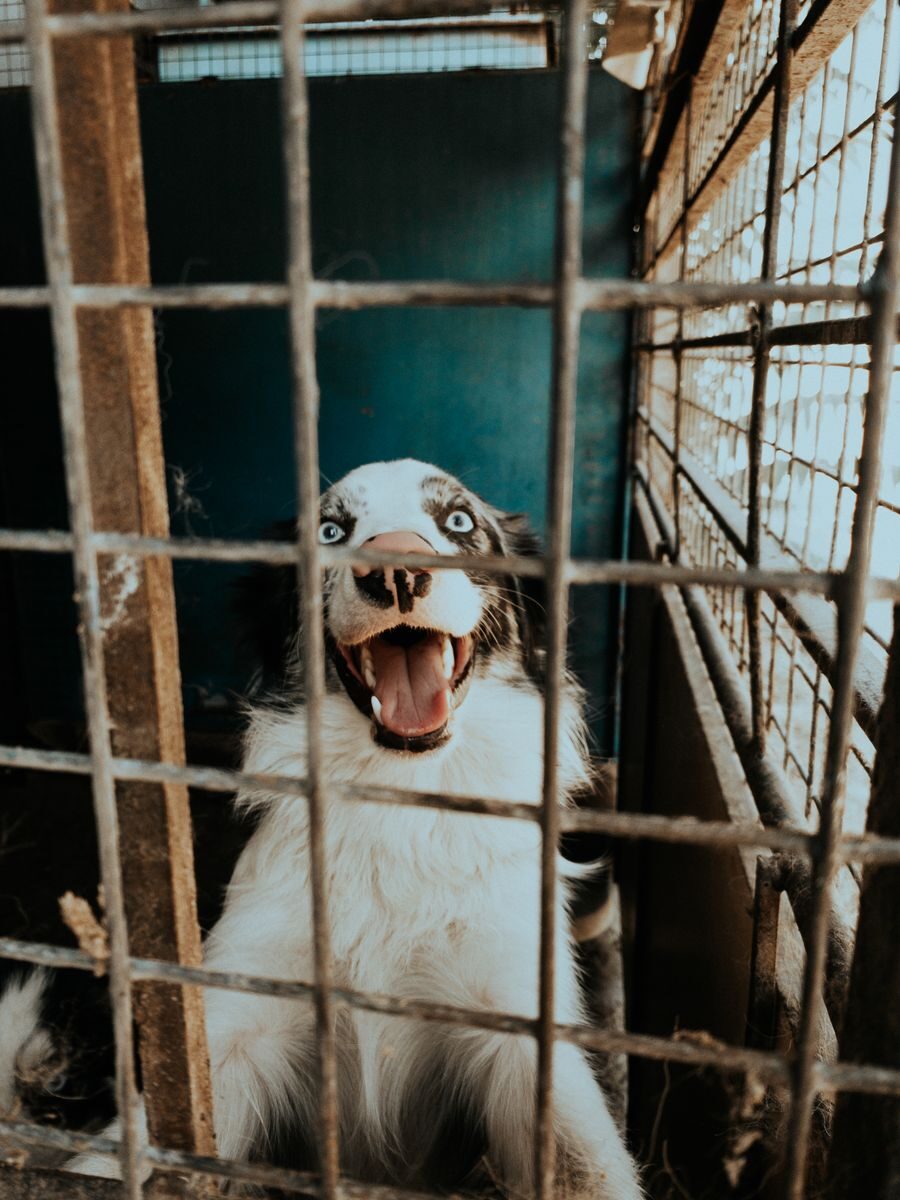
Calm and Comfy: Helping Your Anxious Rescue Dog in Calgary
Welcome to Calgary! We know our city offers beautiful landscapes from the mountains to the prairies, and many of us are lucky enough to share our homes with wonderful rescue dogs. But sometimes, bringing a rescue dog into our lives means welcoming a companion who carries the weight of their past. Anxiety, fear, and stress can be hidden companions for these special dogs. If you’re fostering or have adopted a rescue dog showing signs of anxiety in Calgary, you’re not alone. This guide offers practical, compassionate advice on how to help them feel safe and thrive in their new Calgary home.
Understanding Anxiety in Rescue Dogs
Before diving into solutions, it’s crucial to understand that anxiety in dogs isn’t the same as being nervous or scared in a momentary way. Rescue dogs often experience anxiety as a learned response to past experiences, sometimes triggered by specific sights, sounds, or situations. Think of it like this: imagine carrying the weight of a heavy backpack for years – it affects how you move and feel, even when the path is clear. For rescue dogs, their ‘backpack’ might contain fear or trauma from their previous life.
Recognizing the Signs
Learning to recognize the signs of anxiety is the first step. Common signs include:
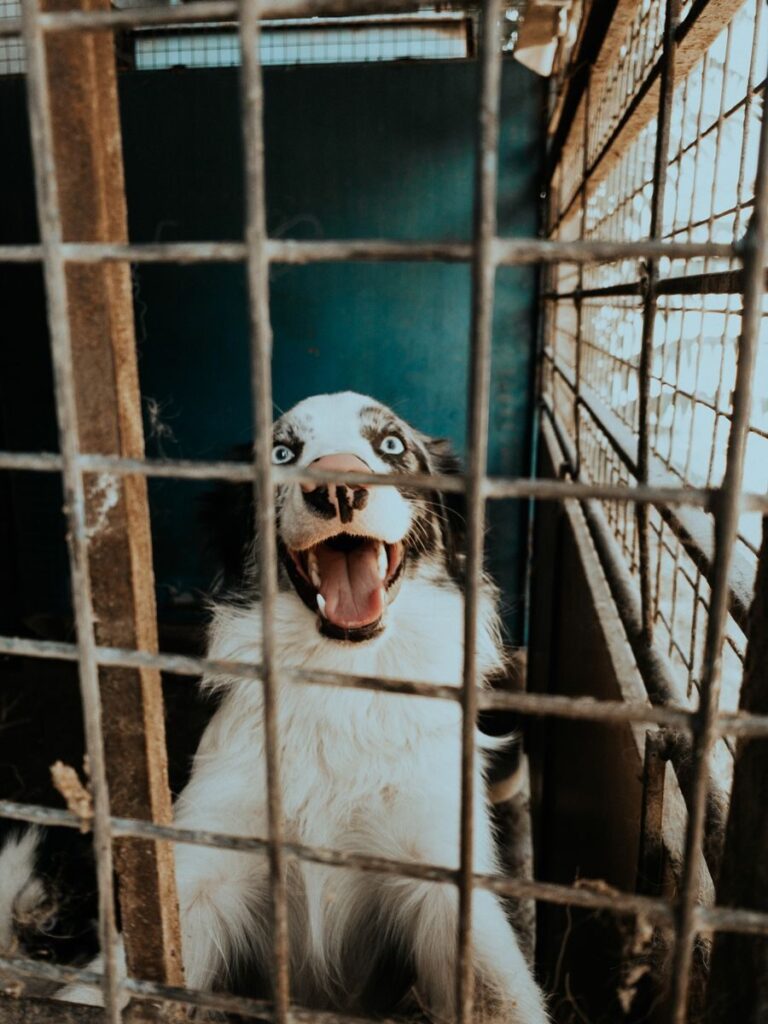
- Body Language: Tail tucked tightly, lowered body posture, ears flattened back, lip licking, yawning, whining, panting for no obvious reason, avoiding eye contact, excessive grooming (licking paws, flank licking).
- Freeze Response: Stopping movement and becoming statue still, sometimes accompanied by trembling.
- Flight Response: Trying to escape the situation, hiding, or becoming overly cautious around certain areas.
- Fight Response: Appearing aggressive (growling, snapping), or showing teeth.
Being observant helps you identify triggers and respond appropriately.
Creating a Haven: A Safe Space in Your Calgary Home
Every Calgary home can have a designated safe space for your anxious rescue dog. This is crucial for their well-being.
What Makes a Good Safe Space?
- Quiet: Choose a room or corner away from high-traffic areas, loud appliances (like dishwashers), and places where visitors might gather.
- Comfortable: Provide a soft bed or blanket, perhaps something with a familiar scent from their previous home if possible, but introduce it gradually.
- Control: Ensure the door stays closed and they can’t be easily interrupted. This gives them a sense of control.
- Calgary-Specific Tip: Consider basements or spare bedrooms that offer more seclusion, common in many Calgary homes.
Making it Appealing
Stock the space with items that can help soothe anxiety:
- Calming Aids: Products like Feliway diffusers (check with your vet first) or ThunderShirts can provide gentle pressure and a sense of security.
- Familiar Items: A crate can be a safe space if they aren’t crate-trained yet. Ensure it’s positively associated with treats and comfort.
- Sensory Control: Keep windows covered or blinds drawn if certain views trigger anxiety. Use white noise machines if bright lights or sounds are a concern.
Building Trust: The Foundation of Help
Helping an anxious rescue dog isn’t about forcing them to overcome their fears immediately. It’s about building trust and creating positive associations.
Patience is Key
Rome wasn’t built in a day, and trust takes time. Avoid pushing them when they’re already overwhelmed. Take small, positive steps at their pace.
Positive Reinforcement
Focus on rewards:
- High-Value Treats: Use treats they absolutely love. Head scratches or belly rubs can also be powerful rewards.
- Clicker Training: The ‘clicker’ marks precise moments of calm behaviour, making those moments rewarding.
- Reward Calm Moments: Even just being in their safe space calmly deserves a reward.
Consistency Matters
Establish routines for feeding, walks, playtime, and rest. Predictability can be incredibly reassuring for an anxious dog.
Managing Anxiety in Calgary’s Environment
Calgary has its unique sounds and sights. Being aware helps you manage their exposure.
Noise Sensitivity
- Thunder & Storms: Provide their safe space with background white noise or calming music. Keep curtains closed during storms.
- Construction or Events: If possible, minimize exposure during loud times. Use ear protection like anxiety wraps if needed.
- Sudden Noises: The ‘desensitization’ technique (gradually exposing them to recorded sounds at low volume) can be helpful over time.
Social Situations
- Controlled Interactions: Introduce new people or dogs slowly, always respecting their boundaries.
- Positive Experiences: Focus on positive interactions – bring treats, keep sessions short, and reward calm behaviour.
- Avoid Overwhelming: Don’t force greetings at busy parks like Nose Hill Dog Park initially.
Walks and Exploration
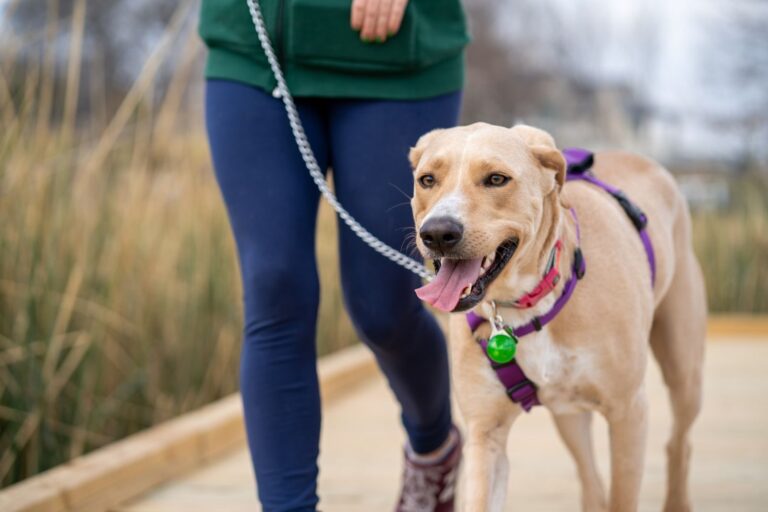
- Start Slow: Begin with very short walks in low-stimulation areas, like quiet pathways in the Bow Valley.
- Identify Triggers: Be aware of specific triggers (other dogs, cars, certain smells) and plan routes accordingly.
- Use Leash Cues: Teach commands like ‘leave it’ or ‘wait’ to regain calm during moments of fear.
When to Seek Help: Professional Support
You’re doing great by being patient and observant! However, there are times when professional help is essential.
Signs Your Dog Needs Help
If anxiety significantly impacts your dog’s quality of life – preventing eating, drinking, sleeping, or causing destructive behaviour – it’s time to consult a professional.
Finding Help in Calgary
- Veterinarians: Discuss options with your vet first.
- Certified Trainers: Look for CTC (Certified Trainer Canada) professionals in Calgary. They can help with behavior modification.
- Behavioral Consultants: Organizations like the Calgary Animal Welfare Society (CAWS) can sometimes refer you.
- Veterinary Behaviourists: Specialists for severe cases.
Calgary Resources for Rescue Dog Owners
- Calgary Animal Welfare Society (CAWS): Offers resources and potentially adoption support. Visit their website.
- Calgary SPCA: Another excellent resource for pet owners and adopters.
- Local Training Groups: Search for small, calm group training classes focused on positive reinforcement.
- Online Communities: Calgary-specific dog forums can be great places to share experiences and tips.
Final Thoughts: A Loving Hand in Calgary
Helping an anxious rescue dog in Calgary is a journey, not a destination. It requires patience, empathy, and consistency. By creating a safe haven, building trust, managing their environment thoughtfully, and knowing when to seek help, you can help your rescue dog feel secure and happy in their Calgary home. Every small moment of calm builds their confidence, and every positive association helps heal their past. Your compassionate approach makes a difference, not just for your dog, but for the Calgary community that values responsible pet ownership.
Calgary Living: Remember to celebrate the progress, no matter how small. You’re providing a second chance and a forever home to a deserving companion.