In this story
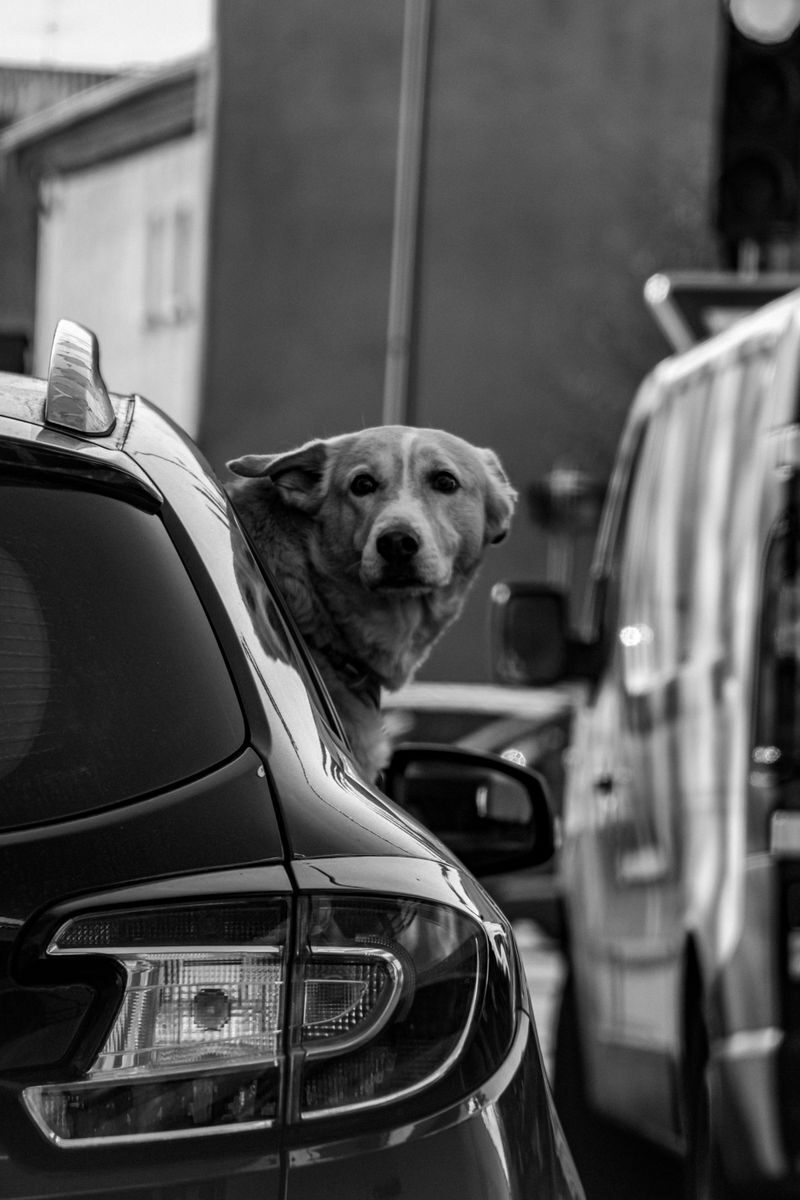
Long Drives with Fido: Keeping Your Dog Safe on Mississauga Roads
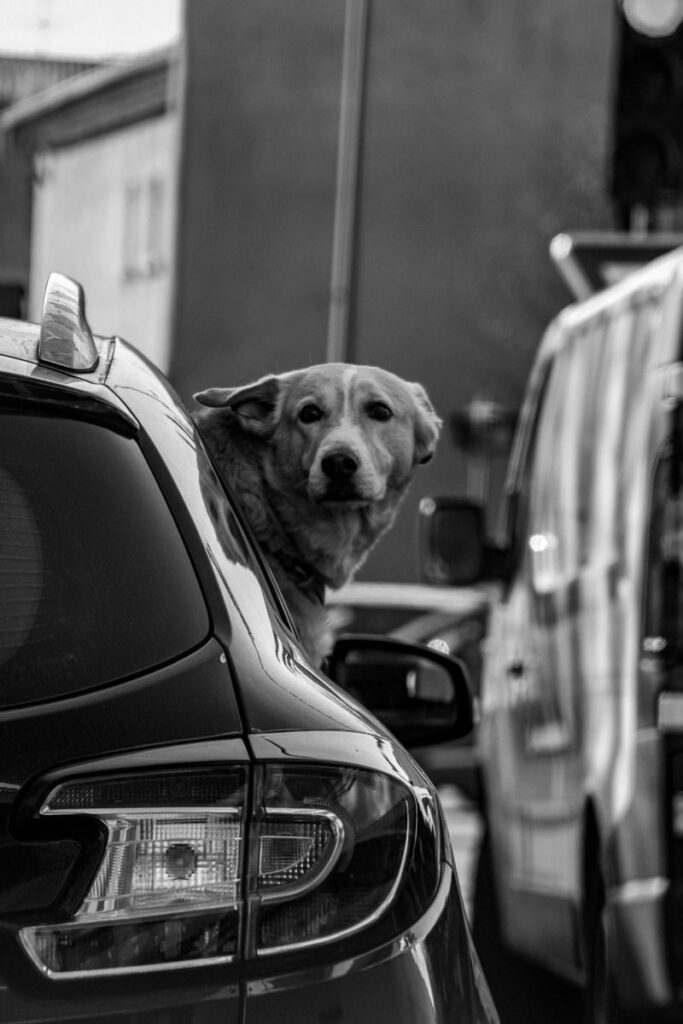
Ah, the open road – a welcome escape for Mississauga residents, whether you’re heading to a Tim Hortons breakfast, exploring the scenic Dundas Valley, or heading to a local event like the Port Credit Farmer’s Market. But when you’re sharing that journey with your beloved dog, things require a little extra planning. Long car rides can be stressful for our four-legged friends, but with the right preparation and care, you can ensure your furry passenger enjoys the journey as much as you do.
This guide covers everything from choosing the right travel companion for your dog to handling those inevitable stops and keeping your best friend comfortable and secure on Mississauga-area road trips. Let’s hit the road safely!
Choosing the Right Car Safety Setup
The cornerstone of a safe long drive is a secure and comfortable setup. Without it, the risks increase significantly.
Harnesses vs. Collars
While a collar is essential for identification, it’s not designed for travel. A properly fitted harness is your dog’s safest bet in the car:
- Harness Benefits: Distributes pressure more evenly across your dog’s chest and shoulders, reducing neck strain and preventing choking or suffocation risks if they become anxious or try to jump out.
- Crash-tested Safety Bars: Always use a dog seat belt or a dedicated safety tether designed to connect directly to the vehicle’s crash-tested safety bar. This is crucial for Mississagahto ensure your dog remains restrained during sudden stops or potential accidents.
- Avoid Choking Collars: Breakaway collars (choke or pinch) are generally unsafe for travel as they can tighten catastrophically in a collision.
Sizing Matters
A harness or tether that is too large or too small is ineffective. Ensure a snug fit:
- Harness Fit: Should fit snugly against your dog’s body, allowing only one or two fingers to fit under the straps.
- Tether Length: If using a tether, keep it short enough to prevent your dog from reaching the dashboard or rear seat passengers, but long enough to allow some movement.
Securing Your Dog’s Travels
Think of the car as a temporary home for your dog:
- Crash-tested Restraints: As mentioned, a direct attachment to the vehicle’s safety bar is ideal. If unavailable, a sturdy seat belt designed for dogs can work, provided it’s properly anchored.
- Crash Cushions/Seat Socks: These attach to the seat belt and help protect your dog from whiplash injuries by allowing controlled movement during sudden stops. They’re a great Canadian safety investment.
- Baby Bjorn-style Seats: Some owners use baby Bjorn-style car seats for small dogs, ensuring the harness connects directly to the car seat’s anchor point. Check your car’s manual for compatibility.
- Never Use Seat Belts Through the Roof: While tempting, this is not safe as seat belts are not designed to restrain passengers through the vehicle’s roof structure.
Essential Travel Essentials for Your Dog
Beyond safety restraints, packing the right Canadian essentials transforms your dog from a potential hazard into a well-behaved passenger.
Comfort and Cooling
Mississauga’s climate ranges from cool winters to hot summers. Pack accordingly:
- Cooling Vests/Rugs: Especially for summer drives, cooling vests or reflective-lined rugs can help keep your dog comfortable. Look for Canadian brands if possible.
- Thermometer: A small digital thermometer helps monitor the car’s interior temperature. Ideal car temperatures should be between 18-22°C (64-72°F). Park in the shade and use windows slightly open (with supervision) to vent heat.
- Water Bottle: Keep a small bottle of fresh water available for your dog. A collapsible bowl (or even a travel bowl) is essential for longer trips.
Waste and Comfort
Nobody wants a car full of dog waste, but accidents or needing to go happen:
- Large Bags: Pack several large bags specifically for pet waste. Mississauga has many parks, so waste disposal is a must.
- Dog Bags: Disposable bags are convenient, but reusable cloth bags are an eco-friendlier Canadian option.
- Collapsible Water Bowl: A lightweight, foldable bowl keeps water accessible without taking up much space.
- Nap Mats/Travel Beds: If your dog travels in the back seat, a small, lightweight travel bed or rolled-up blanket provides a familiar spot for rest.
Health and Happiness
Prevent common travel issues:
- First-Aid Kit: A small pet first-aid kit containing essentials like gauze, antiseptic wipes, bandages, and any specific medications your vet recommends.
- Calming Aids: Consult your vet about safe calming aids. Options range from pheromone diffusers (like Adaptil) to anxiety wraps or natural supplements.
- Entertainment: Long drives can be boring. Pack durable toys like Kongs or stuffable toys (ensure they are car-safe, no small parts). Doggie headphones designed for travel can also help block out stressors.
- Favorite Items: Bring along a familiar blanket or toy with your dog’s scent to provide comfort.
- Toxicity List: Know what’s toxic for your specific breed. Xylitol (found in gum, some peanut butters) is highly dangerous.
Making the Journey Less Stressful
Long car rides can be daunting for dogs. Here’s how to help them navigate the anxiety:
Start Smart
Don’t go all out on your first adventure:
- Short Trips First: Begin with very short drives in your own backyard or driveway. Reward calm behaviour enthusiastically.
- Gradual Building: Gradually increase trip duration as your dog becomes more comfortable.
Managing Anxiety
Not all dogs are car enthusiasts:
- Desensitization: If your dog is extremely anxious, consider desensitization techniques under professional guidance (consult your vet or a certified dog trainer).
- Calming Commands: Teach your dog a calming command like “easy” or “quiet” and reward compliance.
- Blackout Bags: For dogs with severe motion sickness or anxiety, covering the carrier or their seating area with a blanket or towel can help block distracting sights.
- Music/Audio: Some dogs find white noise or calming classical music soothing. Experiment with different types.
Regular Stops
Mississauga is well-connected, but even the shortest drives benefit from breaks:
- Frequency: Break every 1-2 hours, depending on your dog’s age, breed, and energy level.
- Duration: Don’t rush back into the car. Allow your dog to stretch, relieve themselves, and drink water.
- Location: Choose clean, well-lit, and pet-friendly stops whenever possible. Many Tim Hortons locations have accessible washrooms, and Mississauga has numerous parks.
Emergency Preparedness
Even with the best planning, things can go wrong. Be prepared:
Documents and Info
- License and Registration: Ensure your dog’s vaccination records and license are easily accessible.
- Microchip Info: Know the contact details for your dog’s microchip registry and keep this information updated.
- Emergency Kit: Include copies of important documents, a leash, collar/harness, waste bags, and treats.
Breakdowns and Lost Dogs
- Know Your Route: Have a backup plan or GPS route in case of unexpected detours.
- Identifying Gear: Ensure your dog’s ID tags are up-to-date. Consider adding a temporary tag with your contact information.
Conclusion: Happy Travels!
Driving long distances with your dog in Mississauga doesn’t have to be stressful. By focusing on safety restraints, packing the right essentials, managing anxiety, and planning for the unexpected, you can ensure your dog enjoys the journey as much as you do. Remember, preparation is key, and knowing your dog’s limits and preferences will make every road trip a safer and happier experience for everyone involved. Happy travels!