In this story

Keeping Your Dog Safe at Night in Hamilton
As the night falls over Hamilton, our furry companions rely on us to ensure their safety and comfort. While dogs are often considered part of the family, nighttime brings unique challenges and responsibilities for pet owners. Whether you’re a new dog owner in the Hamilton area or a long-time resident, understanding how to keep your dog safe at night is paramount. This guide covers essential tips tailored to the specific needs and environment of our vibrant city.
Why Nighttime Safety Matters in Hamilton
Hamilton’s climate, especially during winter, means colder temperatures and shorter daylight hours. These factors increase the need for proper shelter, warmth, and safety measures for dogs left outside or even indoors. Furthermore, navigating Hamilton’s parks and neighbourhoods after dark requires awareness of potential hazards like traffic, unfamiliar people, and even wildlife.
Shelter: The First Line of Defense
Regardless of the season, providing adequate shelter is fundamental to your dog’s nighttime safety and comfort.
-
Indoor Safety: The safest option for most dogs, especially in Hamilton’s unpredictable weather, is to keep them indoors. Ensure your home is a comfortable, quiet place for your dog to sleep. Provide fresh water, appropriate bedding for warmth, and consider crate training if it suits your dog’s temperament and needs.
- Crate Training: A crate can offer a secure, den-like environment, reducing anxiety and preventing accidents or damage to the house.
- Bedding: Use safe, clean bedding. In colder months, consider insulated pads or extra blankets, but avoid overly thick bedding that could pose a suffocation risk for small breeds.
-
Outdoor Overnight Stays: If your dog must sleep outside (a common situation for some working breeds or in certain neighbourhoods), ensure the shelter is robust and secure.
- Weatherproofing: The shelter should protect from wind, rain, and snow. A well-insulated doghouse or a sturdy, covered run is ideal.
- Ventilation: Ensure the shelter has adequate airflow to prevent moisture buildup and respiratory issues, but avoid placing it in a drafty area.
- Safety: The enclosure must be escape-proof and predator-proof. Check fencing and secure gates regularly. Hamilton’s proximity to natural areas means being aware of wildlife like raccoons or squirrels.
- Monitoring: Check outdoor sleeping arrangements frequently, especially during extreme weather, to ensure they remain comfortable and secure.
Identification: Your Lifeline
A well-prepared dog is a safe dog. Proper identification is crucial, especially during nighttime excursions or if your dog accidentally wanders.
-
Collars and Tags: Ensure your dog wears a properly fitted collar at all times, especially when outside unsupervised. Tags should include your current phone number and your name and address.
- Clarity: Keep information clear and concise. Consider including your dog’s name on the tag as well.
- ID Microchip: While a collar is essential, an ID microchip provides a backup. Register the microchip with your current contact information and keep it updated. Hamilton’s shelters and veterinary clinics can scan and access this information.
-
Harnesses: Consider a harness for walks and potentially for indoor use if your dog doesn’t tolerate a collar well. A harness can sometimes be more secure and comfortable.
Indoor Comfort and Safety
Keeping your dog comfortable indoors goes beyond just shelter. It involves addressing potential hazards and ensuring their well-being throughout the night.
- Temperature Control: Maintain a consistent, comfortable indoor temperature. Ensure heating sources (like space heaters) are used safely, out of reach of curious paws and tails.
- Noise Sensitivity: Some dogs are sensitive to household noises (like barking, appliances, or traffic outside). Provide a quiet, cozy space where they can retreat if needed.
- Toxic Ingestion: Keep hazardous substances secured and out of reach. This includes human food (especially chocolate, grapes, and onions), cleaning supplies, and certain plants.
- Supervision: While dogs need sleep, ensure they don’t have access to stairs or other areas where they might accidentally ingest something harmful or get stuck.
Evening Walks and Playtime
Evening walks can be a wonderful way to tire your dog out before bed, but safety is key, especially as dusk approaches.
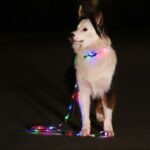
- Visibility: Ensure your dog has proper identification and is visible in low-light conditions. A well-fitting collar with ID tags is essential. Consider reflective or LED collars or harnesses for better visibility, especially when walking near streets or in parks.
- Leash Training: Always keep your dog on a leash during walks, especially after dark. Hamilton’s parks like Royal Botanical Gardens’ grounds or local neighbourhoods can have uneven terrain or unexpected obstacles.
- Route Familiarity: Stick to well-lit, familiar routes when walking after dark. Avoid areas known for high traffic or unusual activity.
- Duration: Be mindful of your dog’s fatigue and your own limits. A good, moderate walk before bed can help them relax but shouldn’t be overly strenuous close to bedtime.
- Check the Weather: Hamilton’s weather can change quickly. Ensure your dog is appropriately dressed for cold nights if they will be walking or even just outside for a short period.
Navigating Hamilton’s Public Spaces After Dark
While many parks and recreational areas in Hamilton are dog-friendly, navigating them after dark requires extra caution.
- Well-Lit Areas: Stick to parks with good lighting, like Queen’s Terminal Tower or well-maintained sections of Hamilton Common.
- Keep Your Dog Leashed: Even in designated off-leash areas, it’s often safer to keep your dog on a leash after dark, especially for less confident or reactive dogs.
- Know Your Neighbourhood: Be aware of your own neighbourhood boundaries and any potential hazards specific to your area.
- Respect Quiet Hours: Be mindful of noise levels, especially if walking near residential areas.
Emergency Preparedness
Being prepared for unexpected situations is crucial for nighttime safety.
- Know Your Neighbourhood: Be familiar with the nearest veterinary emergency clinics and 24/7 pet hospitals in Hamilton.
- Keep Contact Info Handy: Ensure your phone is charged and easily accessible. Have emergency numbers saved.
- Microchip Registration: Double-check that your contact information on any ID microchip is current.
- Home Security: Ensure your home’s doors and windows are secure to prevent accidental escapes.
Keeping Your Dog Company
Long walks or being left alone can sometimes lead to separation anxiety or loneliness, even during sleep.
- Comfortable Environment: Ensure your dog’s sleeping area is comfortable and free from disturbances.
- Consistent Routine: Maintaining a consistent bedtime routine can help your dog feel secure and relaxed.
Hamilton’s Unique Considerations
Living in a city like Hamilton brings specific considerations:
- Winter Weather: Snow, ice, and extreme cold are significant factors. Ensure your dog has access to salt-free de-icers if they need to relieve themselves on snowy surfaces, and always check their paws afterward.
- Lake Ontario Proximity: While the waterfront can be beautiful, be aware of the cold water and potential for strong currents or ice conditions, even in winter.
- Neighbourhood Dynamics: Be aware of your specific neighbourhood. Some areas might have more wildlife or different types of after-dark activity.
When to Seek Professional Advice
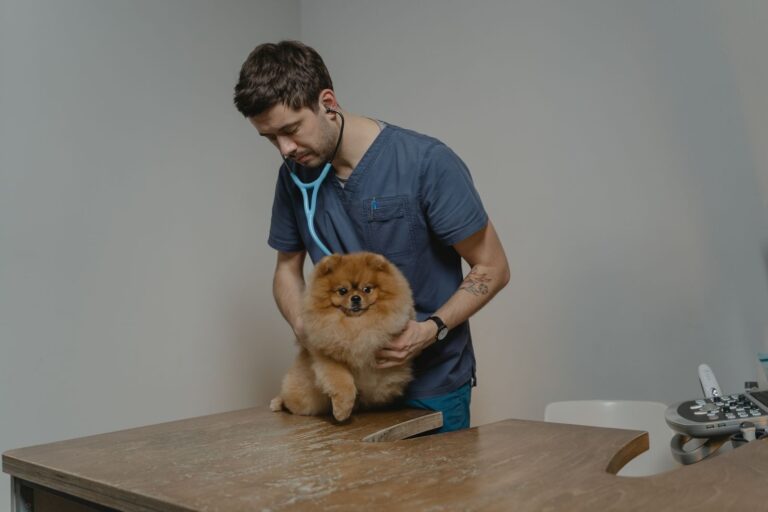
If you have concerns about your dog’s nighttime behaviour or safety, don’t hesitate to consult with your local Hamilton veterinarian. They can provide advice tailored to your dog’s specific breed, health, and temperament.
Keeping your dog safe at night in Hamilton is about preparation, vigilance, and understanding your pet’s needs. By focusing on proper shelter, identification, indoor comfort, safe walks, and emergency readiness, you can ensure your best friend enjoys a safe and restful night’s sleep.