In this story
A Hamilton puppy grows up in a city built for walking: escarpment stairs, rail trails, waterfalls and a leash-free park in most corners of town, from Dundas and Ancaster to Stoney Creek and the Mountain. Getting a puppy here is the same happy chaos as anywhere — plus a few Hamilton specifics worth sorting out in the first weeks.
This guide walks through them: the licence (due earlier than most cities ask), finding a vet and your after-hours option, settling in at home, puppy classes and first park visits, and the local hazards — escarpment edges, ticks and January — that shape a Hamilton puppy’s first year.
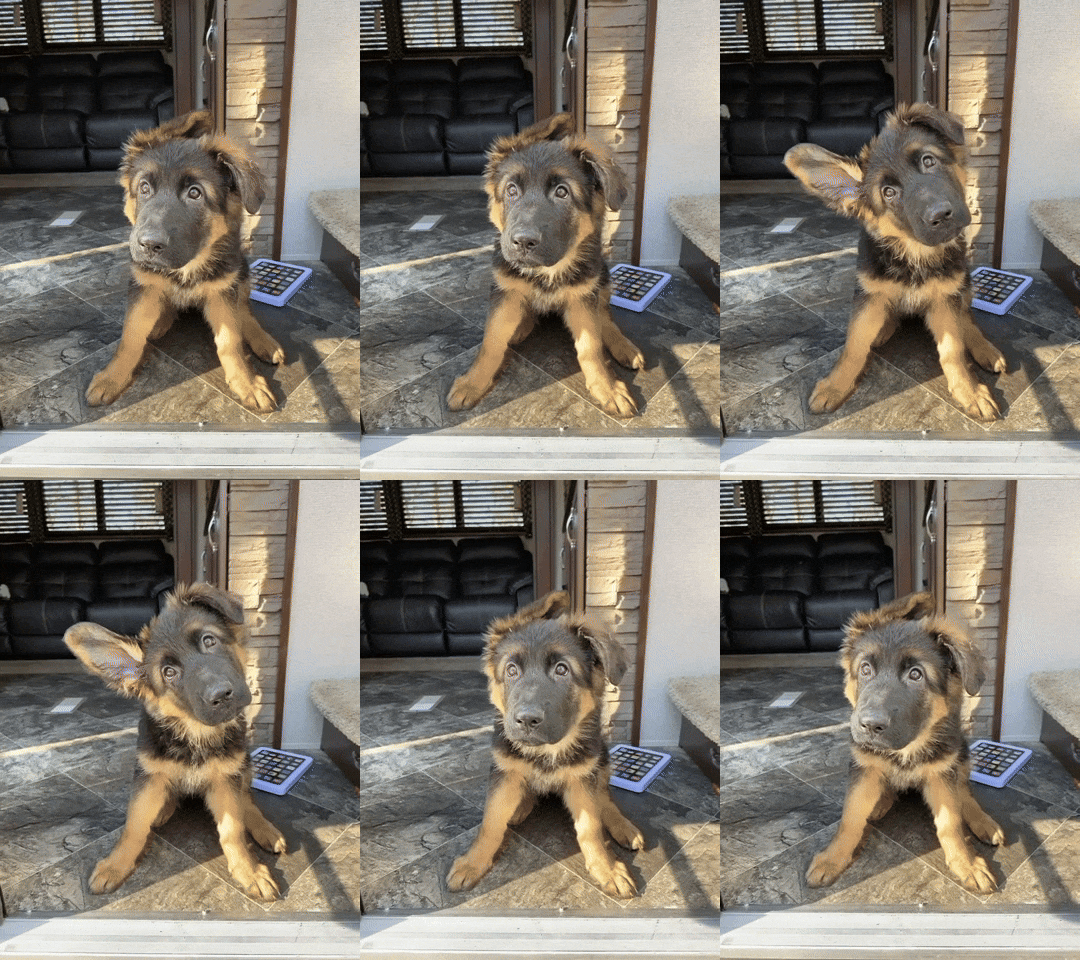
Licensing: before three months old
Hamilton does not give you long. The City requires every dog to be licensed before it is three months old, with the tag attached to the collar, and the licence renewed every year. The good news for puppy owners: under the City’s current fees, a puppy under six months old licences at the lower rate.
Hamilton restructured its fees in January 2026 into a simple two-tier system, dropping the old late fees and separate senior and disability rates. The current annual fees are $29 for an altered dog or a puppy under six months, and $65 for an unaltered dog; a replacement tag is $5. You can licence online, by phone, or in person through Animal Services at 247 Dartnall Road. The by-law also limits households to four animals in total — and part of every licence fee goes toward the city’s leash-free parks your puppy will eventually use.
The first vet visit — and the after-hours plan
Book a checkup in the first few days and take along the vaccination records from your breeder or rescue. Puppies work through a series of core vaccine boosters across their first months, with rabies vaccination required in Ontario once a dog is over three months old — your vet will set the exact timing and tell you when your puppy is covered enough for busier dog places. That first visit is also the time to ask about deworming, microchipping, and flea and tick prevention, which matters in Hamilton (more on ticks below). Every puppy’s schedule differs, so treat any online chart as a rough guide and your vet’s plan as the real one.
For the middle-of-the-night emergency, Hamilton’s option is East Mountain Animal Hospital, at 1175 Stone Church Road East, which provides care 24 hours a day, seven days a week. Put the number in your phone now, while nobody is panicking.
The first weeks at home
Expect the classic loop — sleep, wake, toilet, eat, play, repeat — and build the routine around it: outside after every meal, nap and game, with big praise when your puppy goes. A crate or pen set up as a cosy den helps with both sleep and house training, and broken nights are normal at first.
Hamilton housing adds one wrinkle: stairs. Century homes below the escarpment and split-levels on the Mountain often have steep flights, and young puppies should be carried on stairs that are steep or slippery until they are bigger and steadier. Puppy-proof the rest — cords, shoes, small swallowable things — and keep early outings close to home until your vet clears your puppy for busier ground.
Socialization, classes and first park visits
The first few months are the prime window for socialization, when puppies learn that the world — people, traffic, vacuum cleaners, the escarpment stairs’ metal grates — is normal and safe. Keep exposures short and positive, and let your puppy watch the world from your arms or a quiet bench before diving in.
Hamilton is lucky in classes. McCann Dogs, in Flamborough (part of Hamilton since 2001), runs Puppy Essentials in person for puppies 10 to 15 weeks old — the 10-week minimum is there for vaccination safety — covering nipping, house training, the crate and first manners, with an online version starting from eight weeks. It is one of the best-known puppy programs in the region and an easy drive from most of the city.
For first off-leash outings, wait until your vet is happy with your puppy’s vaccinations and you have the beginnings of a recall. City dog parks require dogs to wear their licence and rabies tags, and allow no more than two dogs per person. Good first choices are the parks with separate small-dog areas — Central Park, Joe Sams Park and Borer’s Falls, where the smaller run suits a young puppy better than the main field. Start with short visits at quiet times.
Seasonal hazards in Hamilton
The escarpment is the local one. Hamilton’s trails are wonderful puppy-growing-up territory, but conservation-area trails require dogs on a leash under two metres, and gorge edges, waterfall lookouts and icy winter stairs are no place for an off-leash or lunging puppy. Keep young dogs well back from edges, and carry small puppies on the steepest staircases.
Ticks run roughly April to October. Hamilton Public Health notes the city is a Lyme disease risk area — blacklegged ticks are found locally, though the overall risk is considered low — and the American dog tick is the common one. Do a tick check after wooded or tall-grass walks, and ask your vet about prevention during tick season. Winter is the other bookend: Hamilton averages about −4.7°C in January, so keep early outings short in deep cold, wipe salty paws after sidewalk walks, and supervise yard time at dawn and dusk — coyotes move through the city’s ravines and valley lands, and a small puppy should never be outside alone.
Good to know before you go
Renew the licence every year and keep your contact details current with Animal Services — if your puppy is ever lost, the tag is how the shelter at 247 Dartnall Road gets them home. Note that professional trainers are not allowed to run their businesses in Hamilton dog parks, so that first “class” in the park should be your own practice, not a paid session. And pace the adventures: Hamilton’s trails, stairs and waterfalls will still be there when your puppy has the legs for them.
For more of the city to explore together as your puppy grows, browse our other Hamilton guides on Canada Mutts.