In this story
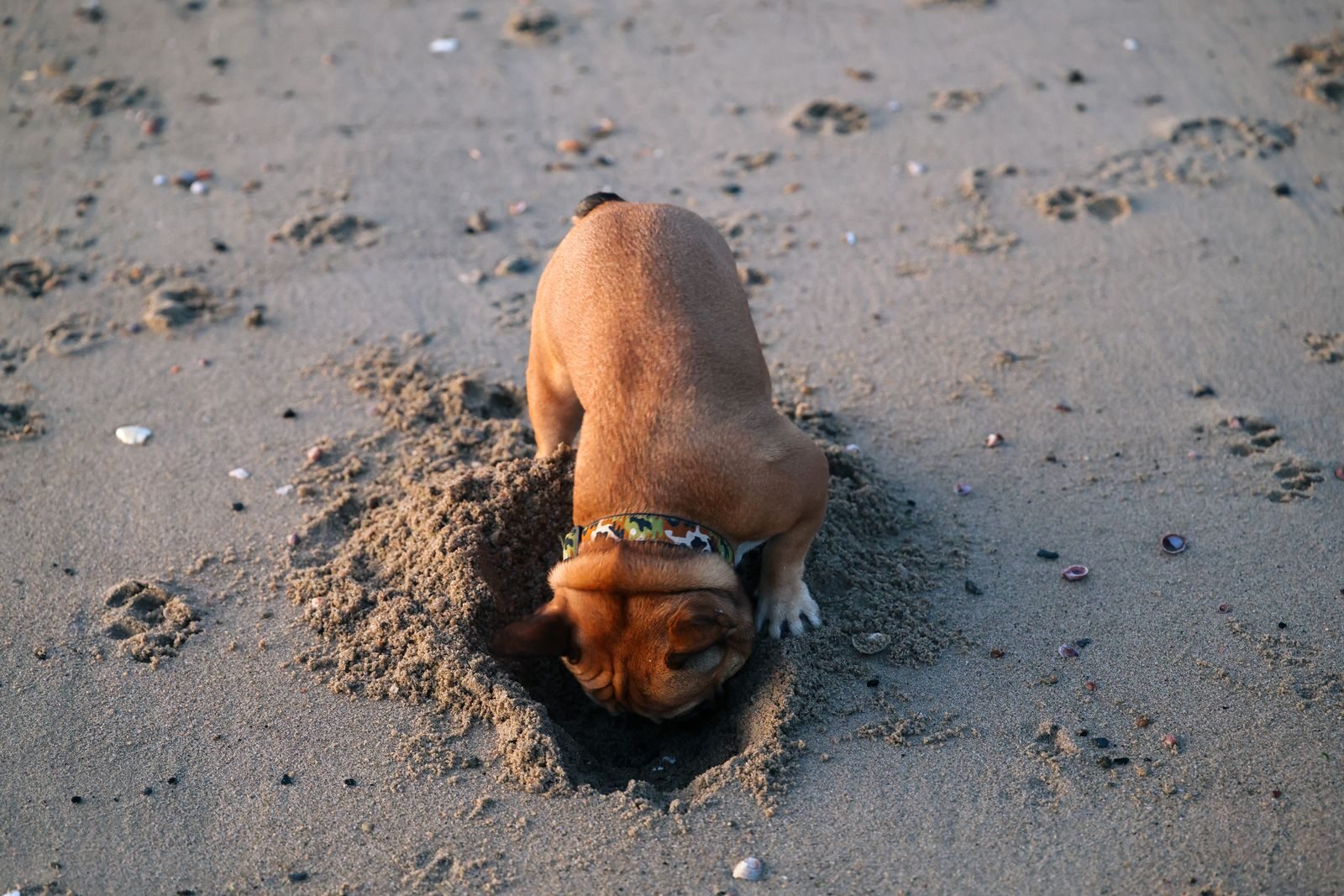
Why Dogs Dig… and How to Manage It
There’s a common refrain from Montreal pet owners: “My dog keeps digging!” While it might be frustrating, especially when your garden is looking a bit like a sandcastle graveyard, it’s usually not something to panic about. Dogs dig for a variety of reasons deeply rooted in their natural instincts. Understanding “why” they dig is the first step towards managing, or even redirecting, this behaviour in your Montreal home and yard.
Nature’s Calling: The Instinctual Roots of Digging
Digging is an ancient behaviour, evolutionarily speaking. As descendants of wolves and other digging canids, this action served crucial purposes for survival:
- Escape Artist: Digging is a primary means of escape. Whether it’s getting out of an enclosure, under a fence, or simply finding a cool spot underground, the instinct to burrow runs deep.
- Foraging: Our canine companions have inherited the instinct to search for food underground. They might be responding to a buried treat, a lost toy, or even the scent of small prey like insects or rodents.
- Cooling Down: Just like some animals in hot climates, dogs can dig to create a personal cooling spot. Montreal’s summers, though not as intense as some parts of Canada, can still be warm enough for this.
- Cover: Providing cover for themselves or their pups (even if they’re not breeding!) is another instinct. This could be to hide from perceived threats or simply to create a secure, enclosed space.
- Comfort: Some dogs simply enjoy the tactile sensation of digging. It can be a form of stress relief or just a way to stretch and release energy.
Common Digging Triggers in Montreal
Beyond the primal urges, specific circumstances in Montreal might prompt more frequent or focused digging:
Indoors
- Boredom and Lack of Stimulation: Without enough mental and physical exercise, dogs may dig as a way to alleviate frustration or anxiety inside the house.
- Separation Anxiety: Some dogs dig when left alone, stemming from anxiety about being left behind.
- Escape Attempts: If they perceive even a small opening (a gap under a door, a vent cover) as an escape route, indoor digging can occur.
Outdoors
- Yard Exploration: Montreal parks like Parc Jean-Drapeau or McGill University’s campus offer varied terrain. Dogs may dig to investigate scents or simply enjoy the different textures.
- Territorial Marking: While more commonly associated with urine spraying, some dogs may dig to mark their territory more thoroughly, embedding their scent deeper.
- Response to Senses: They might dig in response to sounds (like a rabbit digging nearby) or smells (like buried food or the scent of another animal).
- Digging to Burrow: In yards with loose soil, dogs may dig tunnels in search of a “den” feeling.
Taming the Tunnel Tunneller: Practical Management Strategies
Managing digging doesn’t always mean stopping it completely (unless it’s destructive indoor digging), but rather redirecting it in a more appropriate manner and reducing the motivation. Patience and consistency are key.
1. Understand and Redirect (The “Why”)
- Positive Distraction: When you catch them digging, immediately redirect their attention. Use a cheerful “no” or a gentle “ah ah ah” (without being harsh). Then, engage them with a highly desirable alternative activity or toy. A quick game of fetch or a sniff break with their favourite toy can be very effective.
- Preventative Covers: If specific areas are problematic (like flower beds or the house foundation), use deterrents.
- Lay the Lawn: Cover vulnerable areas with pet-safe deterrents or even just heavy cardboard or old rugs.
- Digging-Proof Barriers: For persistent indoor digging, consider temporary barriers (like a large piece of cardboard or a laundry basket) over small escape points.
2. Environmental Enrichment
- Mental Stimulation: Provide plenty of puzzle toys, snuffle mats, and interactive feeders to keep their minds busy. This reduces boredom-related digging.
- Physical Exercise: Ensure your dog gets sufficient physical activity. A tired dog is less likely to dig excessively out of energy needs.
- Appropriate Digging Zones: Create a designated digging area in your yard using loose soil (about 6-8 inches deep) where they are encouraged to dig. Reward them enthusiastically when they dig there.
* 3. Address Potential Underlying Issues
- Check for Escape Routes: Inspect fences, foundations, and even doors for gaps. Seal any possible entry points.
- Manage Anxiety: If separation anxiety is suspected, consider positive reinforcement training courses in Montreal or consult a certified animal behaviour consultant.
4. Use Deterrents (Use Generously!)
There are many humane deterrents available. Remember to use natural or simple household items whenever possible:
- Sensory Deterrents: These work by making digging unpleasant.
- Citrus Solutions: Dogs generally dislike the smell of citrus. Spray citrus-scented deterrent sprays (homemade with water and essential oil) or sprinkle citrus pepeelings.
- Coffee Grounds: An unpleasant smell for dogs, spread around vulnerable areas.
- Cayenne Pepper (Use Sparingly): Can deter, but use cautiously as it can be irritating.
- Double-Sided Tape: Creates an unpleasant sticking sensation.
- Motion-Activated Sprays: These can startle and deter digging on cue.
- Physical Barriers: Hardware cloth buried slightly below the surface can prevent digging in specific areas.
- Dig-Repellent Sprays: Commercial pet-safe sprays designed to deter digging.
5. Training and Management
- Command Training: Teach commands like “Leave It” or “No” specifically for digging. Reward compliance.
- Supervise: Especially indoors or in the yard initially, supervise high-risk areas.
- Reward Appropriate Digging: If they dig in their designated zone, lavish praise and reward them.
When to Seek Professional Help
If digging becomes excessive, destructive, or is accompanied by other worrying behaviours (like aggression or anxiety), it might be worth seeking advice from:
- A Certified Professional Dog Trainer (CPDT) in Montreal.
- A Certified Applied Animal Behaviourist (CAAB) if the behaviour is severe or linked to anxiety.
Final Dig Thoughts
Digging is a natural behaviour for most dogs, a legacy of their wild ancestors. While it’s often cute to watch, it can become problematic for both pets and property owners in Montreal. By understanding the underlying reasons—whether it’s the primal need to forage, escape, or simply relieve boredom—and applying consistent, positive management techniques, you can help your canine companion redirect their digging instincts into more appropriate channels. Patience and persistence are your best tools as you work through this common behaviour with your furry friend.