In this story
More Than Just Puppy Rearing: Why Socialization is Crucial for Calgary Dogs at Every Stage
As a proud dog owner in Calgary, you’re likely already aware that how your furry friend interacts with the world around them shapes their entire life experience. We often hear about the importance of socializing puppies during their critical early weeks, learning how to introduce them to different sights, sounds, and smells safely. But what happens after puppyhood? Does the socialization journey end once they’ve grown their ears? Absolutely not! Socialization is a vital, ongoing process that benefits Calgary dogs at every single life stage, from puppy to senior. Understanding its importance beyond puppyhood can transform your dog’s confidence, reduce their anxiety, and improve their overall quality of life in our beautiful city.
What Exactly is Socialization?
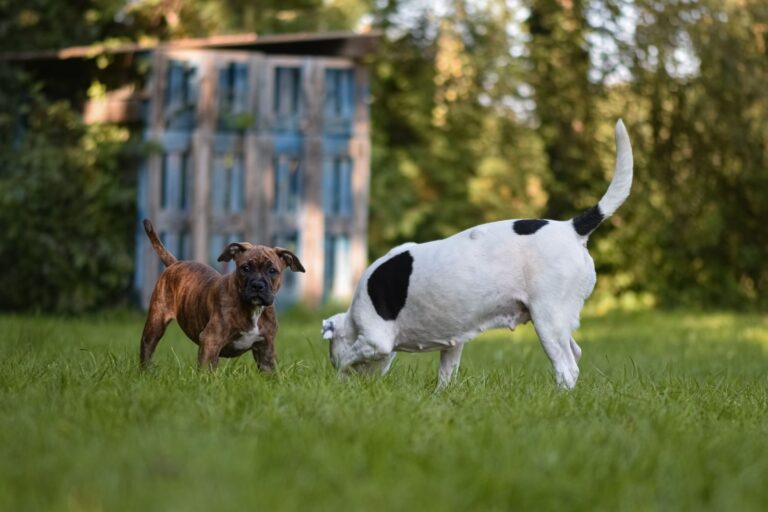
At its core, socialization for dogs involves exposing them to a wide variety of experiences in a positive, controlled, and reassuring manner. This isn’t just about meeting other dogs or people; it’s about helping your dog learn that the world isn’t inherently frightening. Think of it as cultural fluency for your canine companion. They need to learn the ‘rules’ of interacting with people (strangers, children, service workers), other animals (dogs, cats), vehicles, household appliances, different environments (like parks, busy sidewalks, car rides), and various everyday objects and situations.
Positive exposure is the key. This means associating these potentially novel experiences with something good, like enthusiastic praise, tasty treats, affection, or simply a calm, reassuring presence from you. When done correctly, these experiences help build a dog’s confidence and teach them that unfamiliar things can be approached calmly and positively.
Why the Early Years Matter: Laying the Foundation
While socialization continues throughout life, the foundation is incredibly important to lay early. Puppies, especially between three and twelve weeks of age, are in a unique window of opportunity called the ‘Critical Period.’ During this time, their brains are developing rapidly, and they are incredibly receptive to new experiences. Properly navigating this period helps them develop a resilient temperament. Dogs who miss out on adequate early socialization are significantly more likely to develop fears and anxieties later in life, which can manifest as shyness, aggression, excessive barking, house soiling, or destructive behaviours. Think about it – a well-socialized puppy is more likely to grow into a confident, relaxed adult dog.
Beyond the Puppy Stage: Adolescence and Adulthood
Now, let’s address the elephant in the room: older dogs. Can they still benefit from socialization? Absolutely! It’s a common misconception that once a dog is fully grown, they’re ‘done’ learning. This simply isn’t true. Dogs continue to learn and adapt their behaviour throughout their lives.
Adolescence (Teen Years)
This period, roughly from one year onwards, can be tricky. Dogs are reaching full physical maturity but are still developing emotionally and socially. They may start testing boundaries more, becoming more aware of their surroundings, or even experiencing changes in their own confidence levels. Just like teenagers navigating high school, your adult dog might suddenly become wary of something they previously found unimportant. Reinforcing positive social skills during this time is crucial. Continue exposing them to varied environments and reinforcing calm, confident behaviours.
Adulthood and Seniors
Even fully mature adult dogs and seniors benefit immensely from continued socialization. Think about the changing seasons in Calgary – from snowy winters to busy summer months. Your dog needs to learn to feel comfortable navigating these changes. Regular, positive exposure helps maintain their adaptability and prevents them from becoming anxious about routine changes. Furthermore, ongoing socialization helps prevent the development or worsening of age-related anxieties. A calm, well-socialized dog is more likely to remain happy, relaxed, and manageable throughout their golden years.
The ‘Lifelong Learner’: Socialization for Mature Dogs
Imagine your usually confident dog suddenly seems hesitant to go to the park you frequent, or they react negatively to a particular delivery truck. This doesn’t mean they’re ‘broken.’ It often means they’ve simply encountered something unfamiliar without positive reinforcement. Socialization doesn’t stop; it evolves. For mature dogs, it might look different:
- Reintroducing Novelty: Gradually reintroduce new sights, sounds, or experiences, always linking them positively to you.
- Managing Anxiety Triggers: If specific things cause fear, work on desensitizing and counter-conditioning those triggers in a positive way. This is a form of targeted socialization aimed at reducing fear.
- Reinforcing Calm: Continue rewarding calm, confident, and appropriate social behaviours.
Benefits of a Socially Savvy Calgary Dog
The effort invested in ongoing socialization pays dividends in numerous ways:
- Reduced Anxiety & Fear: A well-socialized dog is less likely to experience debilitating fear responses to everyday situations.
- Improved Confidence: Feeling comfortable in their environment leads to a more relaxed and confident companion.
- Better Behaviour: Less fear, less anxiety means fewer stress-related behaviours like barking, whining, hiding, or destructive chewing.
- Positive Interactions: They’re more likely to meet new people and dogs calmly and appropriately, making walks, visits, and community interactions smoother and safer for everyone.
- Calgary Connection: Our city has diverse environments – from busy downtown cores to sprawling parks. A well-socialized dog can confidently navigate all of them.
Calgary Parks and Public Spaces: Valuable Socialization Opportunities
Calgary offers fantastic natural opportunities for socialization:
- Local Parks (e.g., Nose Hill Park, Stanley Park, Fish Creek Provincial Park): These spaces allow controlled exposure to different environments, other dogs, and varying energy levels.
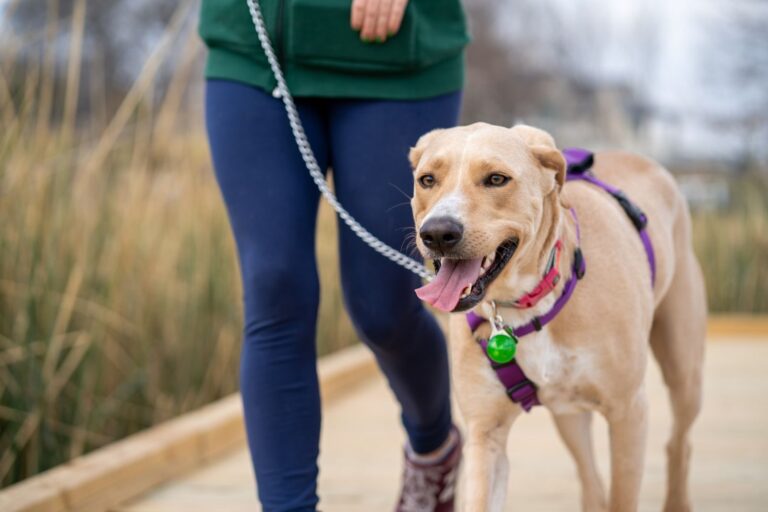
- Off-Leash Areas: Designated off-leash zones, like parts of Nose Hill or Stanley, offer valuable freedom for natural interaction with other dogs.
- Dog Parks: While fun, dog parks require careful management. Ensure your dog is supervised, understands boundaries, and can handle interactions appropriately.
- Calgary Farmers’ Markets: These bustling environments offer opportunities to practice navigating crowds and interacting with people.
Making Socialization Safe: A Responsible Approach
While encouraging exposure is key, safety always comes first. A positive socialization experience means ensuring interactions are calm and controlled:
- Start Slow: Introduce new things gradually.
- Control the Environment: You control the setting to a large extent (e.g., distance, duration).
- Prioritize Your Dog’s Comfort: If something is genuinely overwhelming, calmly remove your dog and try again later.
- Positive Reinforcement: Use treats, praise, and play to mark desired calm, curious, or friendly behaviour.
- Know When to Stop: Don’t force interactions. End positive exposure before your dog becomes stressed.
- Vaccinations and Microchips: Ensure your dog is up-to-date on vaccinations and has proper identification.
- Consider Calgary Pet Sitting Services: If managing socialization tasks feels challenging, local Calgary pet sitting services can offer support.
Managing Difficult Situations: Not All Interactions are Positive
Not every encounter will be perfect. Some dogs might be naturally more shy, or certain situations might be genuinely frightening. This doesn’t mean giving up. It might mean adjusting your approach:
- Gradual Desensitization: Slowly increase exposure to the feared stimulus.
- Counter-Conditioning: Teach your dog to associate the feared thing with something positive (like a highly desirable treat).
- Management: Sometimes, the best approach is to manage the environment so the fear trigger isn’t present or overwhelming.
- Patience and Consistency: Building confidence takes time and consistent effort.
Wrapping Up: A Lifelong Investment
Socialization isn’t just a phase Calgary dogs go through; it’s a vital, ongoing process that contributes significantly to their emotional well-being and behaviour. By continuing to provide positive, controlled experiences throughout their lives, you’re helping your dog navigate the diverse landscapes and social situations of Calgary with confidence and grace. It’s an investment in their happiness, reducing potential stressors and fostering a well-adjusted, companionable dog for all the years you share together. So, keep those horizons wide for your Calgary companion, at every age.