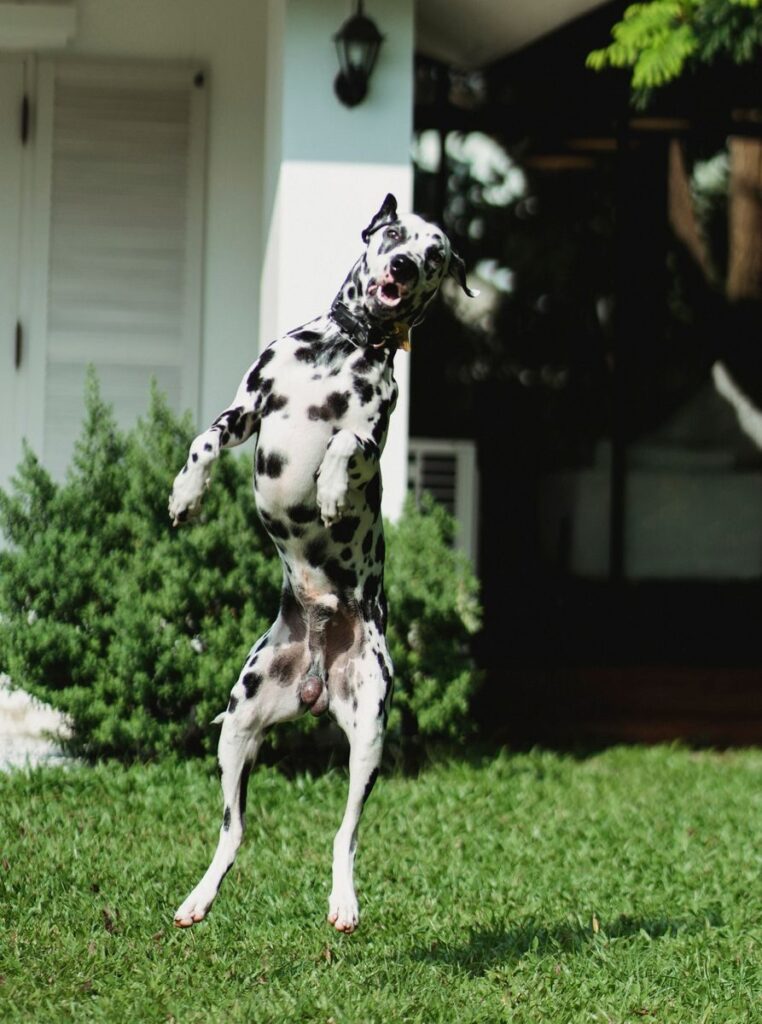
In this story
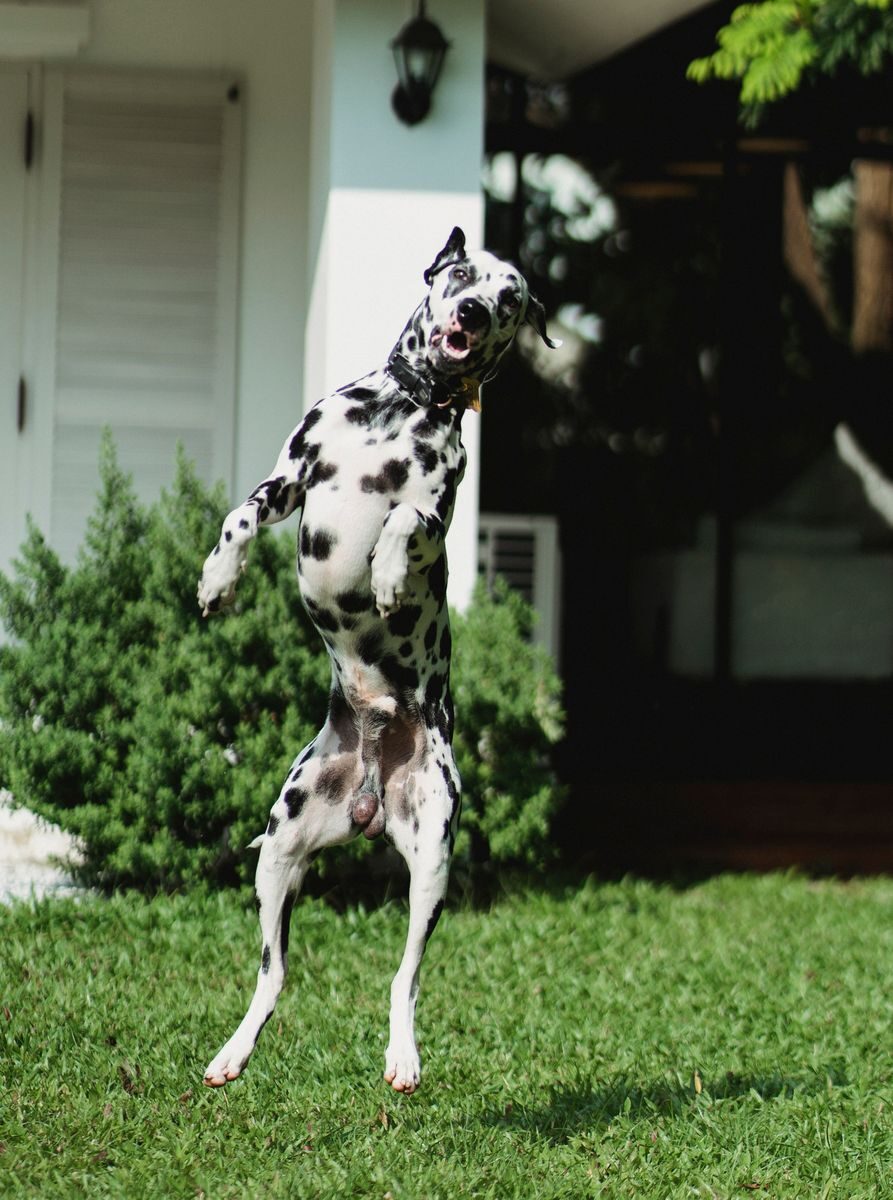
Understanding the Canine Climb: Why Dogs Jump Up
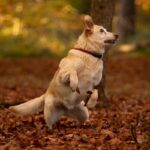
As dog owners in Vancouver’s vibrant neighborhoods, we often marvel at our furry companions’ boundless energy. One common sight in Stanley Park or on the Seawall is our dogs eagerly greeting people with a series of excited jumps. While this tail-wagging enthusiasm is endearing, the rapid vertical movement can sometimes catch us off guard. Understanding why dogs jump up is the first step towards managing this behaviour kindly and effectively.
Jumping up isn’t just random excitement; it’s a complex behaviour rooted in a dog’s instincts, emotions, and learned experiences. By recognizing the underlying reasons, Vancouver dog owners can approach training with patience and empathy.
The Excitement Factor: A Natural Response
For many dogs, jumping is simply a way to express extreme happiness and excitement. Imagine you’ve been apart for days, and your dog sees you coming home. The pent-up joy can manifest physically, with their bodies tensing up and propelling them into the air. This is often seen when greeting familiar people, especially family members.
This type of jumping is usually a sign of a secure bond and high excitement levels. It’s the dog’s way of getting closer to you and showing overwhelming affection, much like a happy human might jump in excitement, albeit with more paws involved.
Attention-Seeking: The Learned Behaviour
Jumping can also become a learned behaviour to get what a dog wants. If a dog jumps up and successfully gets attention, treats, or a play session, they are likely to repeat this action. This doesn’t mean our dogs are manipulative, but rather that they are using the most effective communication method they know.
In a bustling city like Vancouver, this can be particularly challenging. Whether it’s greeting a neighbour on the path or barking at a stranger passing by, the jump can become a tool for getting noticed.
A Potential Anxiety Signal
While often linked to positive emotions, jumping can sometimes be a sign of anxiety or fear. A dog might jump when meeting a new person or in unfamiliar environments as a way to feel more secure by appearing larger. This is a protective instinct.
However, excessive or abrupt jumping, especially when combined with growling or fear postures, should be evaluated by a professional to rule out anxiety issues.
The Instinctual Aspect
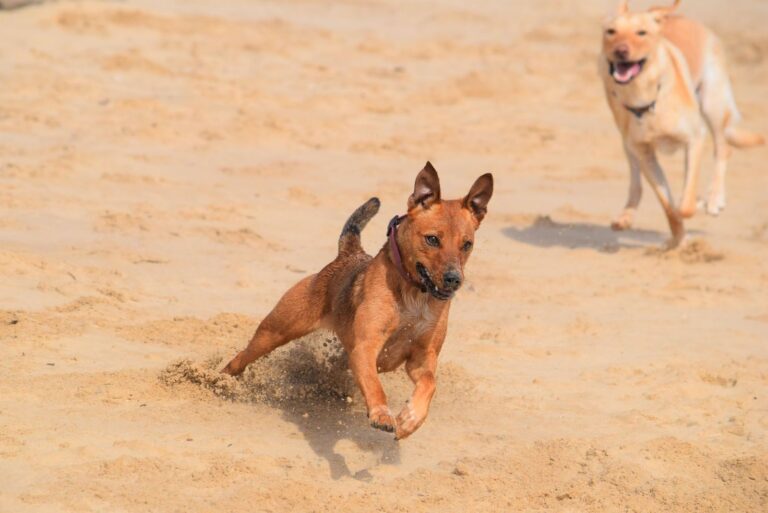
Dogs are descendants of wolves, and jumping is a behaviour seen in their repertoire. It can be linked to play behaviour, herding instincts (where jumping is used to nudge or nip gently), or even asserting dominance, although the latter is less common in companion dogs today.
Understanding these potential roots helps tailor the training approach. A simple greeting jump is likely excitement or play, while a targeted, persistent jump might require closer examination.
Moving Beyond the Leap: Gentle Management and Training
Positive reinforcement is key to addressing jumping behaviour effectively. Vancouver dog owners can implement these strategies to guide their dogs towards more appropriate greetings:
1. Master the Magic of ‘Nothing Happens’
- What it means: When your dog jumps, avoid giving them what they want (attention, pets, treats). Simply ignore them until all four paws are back on the ground.
- Why it works: This teaches the dog that jumping doesn’t lead to the desired outcome.
- Vancouver Application: Practice this at home. When greeting your dog, stand still and wait for all paws to be down before acknowledging them. Consistency is crucial.
2. Reward Relaxation and Focus
- What it means: As soon as your dog has all four paws on the ground, calmly offer praise, a high-value treat (like small bits of chicken or a specific healthy kibble), or a brief play session.
- Why it works: This provides a positive alternative behaviour and strengthens the association between being calm and getting rewards.
- Vancouver Tip: Keep treats handy for quick reinforcement during walks or at home. Small Canadian brands like Nature’s Bakery or Compeedibles make excellent training treats.
3. Build a ‘Calm Introduction’
- What it means: When greeting your dog, start from a position slightly out of their reach and ask for a calm approach.
- Why it works: It gives them a moment to settle before excitement builds.
- Vancouver Context: Useful when meeting people at dog parks like Jericho Beach Dog Park or in your own home.
4. Manage the Environment
- What it means: Use physical barriers or timing to prevent jumping.
- Why it works: This is a temporary measure while teaching the desired behaviour.
- Practical Ideas:
- Keep greetings brief.
- Use a leash to maintain proximity.
- If jumping occurs at the door, wait patiently (with no temptation inside) until calm before letting them in.
- Create a low-sided pen or crate in your yard for dogs prone to jumping guests.
5. Address Potential Triggers
- What it means: Identify if specific situations (like the Stanley Cup being nearby, or certain people) trigger jumping.
- Why it works: Understanding the trigger allows you to manage exposure and practice more effectively.
- Vancouver Scenario: If your dog jumps when people approach on the Seawall, practice controlled greetings in quieter areas.
6. Utilize High-Value Snacks
- What it means: Use extremely motivating treats for training.
- Why it works: Makes the ‘calm down’ command more rewarding.
- Finding the Best: Experiment with small, soft treats or even a few small kibble. Local Vancouver pet stores often have knowledgeable staff about treats.
7. The Importance of Professional Guidance
- When to seek help: If jumping is excessive, aggressive, or doesn’t improve with consistent training, consider consulting a certified professional dog trainer or a veterinarian certified in animal behaviour (CABC). These experts can provide personalized strategies.
- Vancouver Resources: Look for trainers affiliated with organizations like the Vancouver Society for the Prevention of Cruelty to Animals (VSPCA) or search for certified professionals in your area.
8. Patience and Positivity are Paramount
- Remember: Dogs learn through association. Reward calm behaviour and ignore unwanted actions.
- Keep training fun: Make it a game for your dog.
- Be consistent: Everyone in the household should use the same approach.
Beyond the Jump: Focusing on Your Dog’s Well-being
Addressing jumping isn’t just about curb appeal; it’s about enhancing your dog’s well-being and strengthening your bond. By understanding the ‘why’ behind the jump and using kind, consistent training, you’re teaching your Vancouver companion valuable social skills and improving your own interactions.
Positive redirection focuses on what not to do, rather than punishing unwanted behaviour, making it a much kinder approach for both you and your dog. Vancouver dog owners can enjoy confident, well-mannered companions who express excitement appropriately.
Living harmoniously in a city like Vancouver means balancing our dogs’ needs with our own. A well-trained dog that greets calmly enriches everyone’s experience on the path, at the park, and at home.