In this story
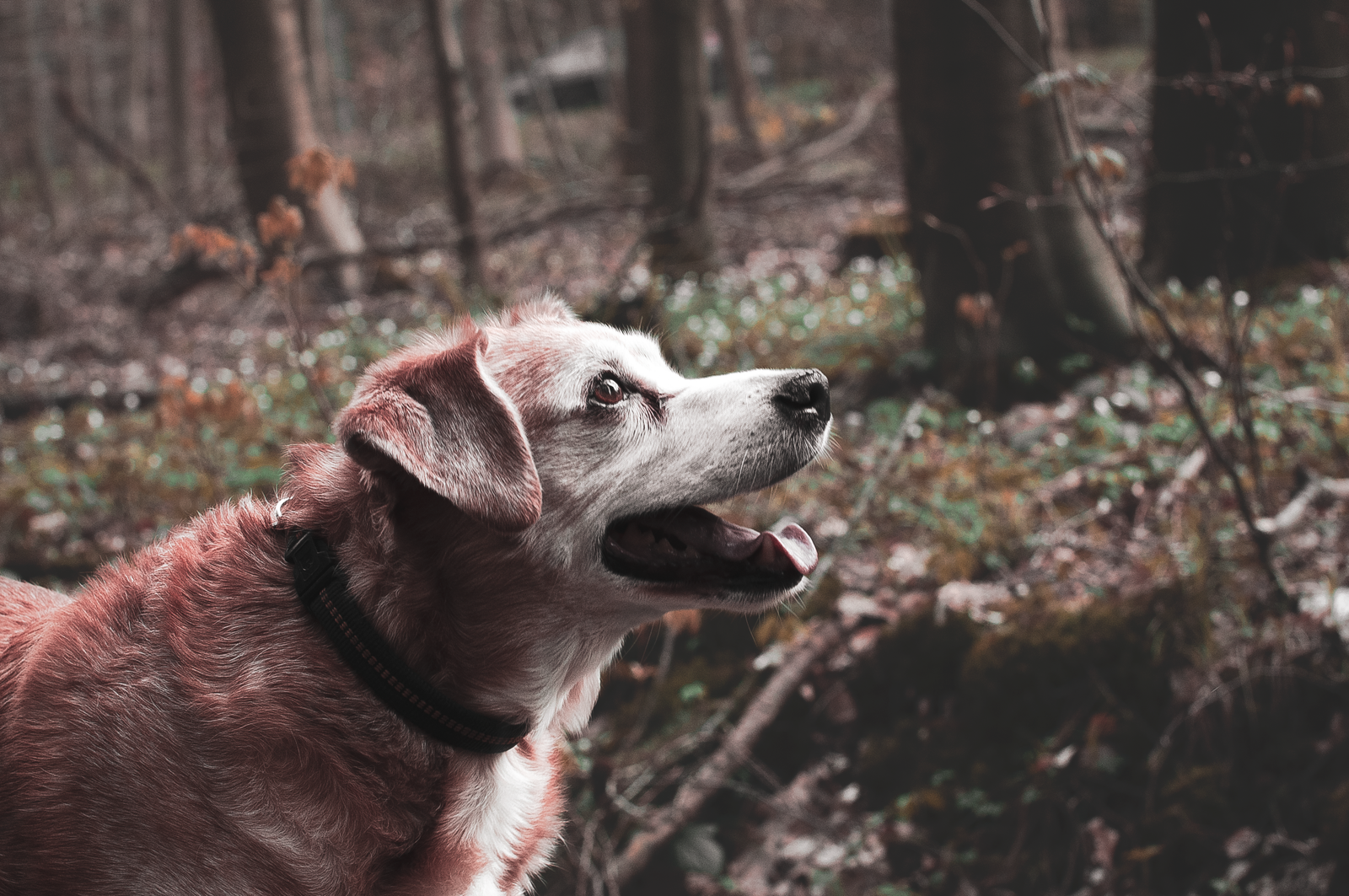
Adapting Care: Understanding and Supporting Your Winnipeg Senior Dog
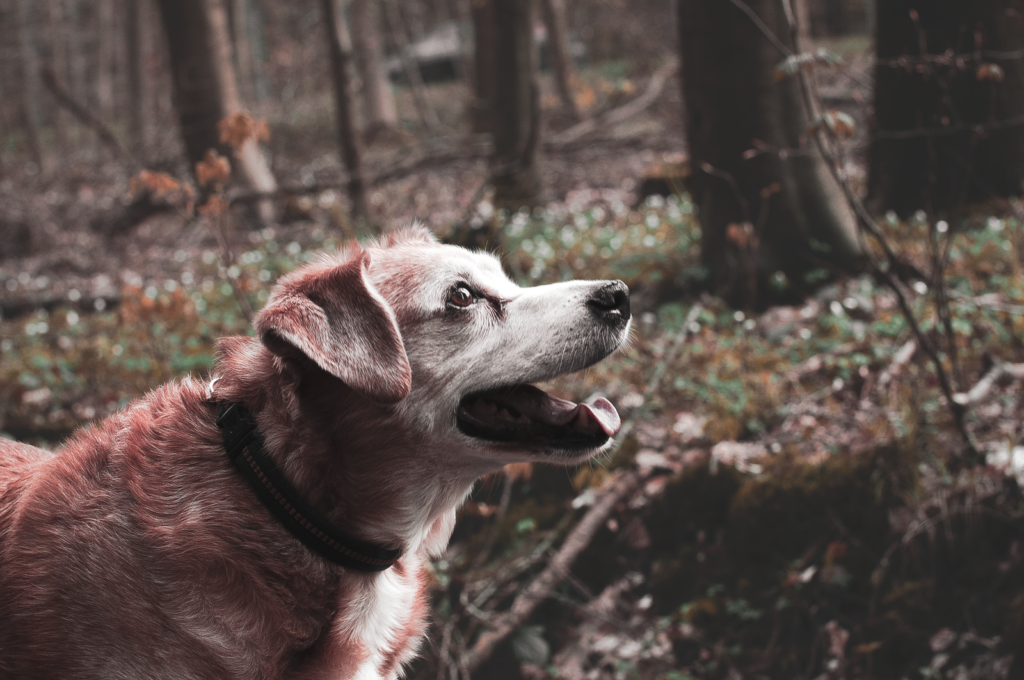
As our human companions age, we naturally adapt our care for them, and the same thoughtful approach applies to our canine friends, especially in a unique climate like Winnipeg’s. Dogs, like people, are aging creatures, and understanding the changes that come with senior years is key to ensuring your older dog lives a happy, healthy, and comfortable life here in Manitoba.
What Defines a Senior Dog?
You might be wondering, “Is my dog a senior?” While breeds certainly play a role, generally, dogs are considered senior around age 7. However, smaller breeds often live longer and can be seniors well into their teens, while larger breeds might slow down a bit earlier, sometimes around age 5-6. Think of it less in human years and more in their own milestones.
Key Areas to Adapt Care for Your Winnipeg Senior Dog
Caring for a senior dog involves several key areas. Here’s a breakdown of how to approach each:
1. Physical Needs: Comfort and Mobility is Key
Our harsh winters here in Winnipeg mean extra attention to comfort and mobility for older dogs.
* Joint Health: As dogs age, arthritis and other joint issues become more common. Look for small Canadian makers of high-quality joint supplements (like glucosamine or fish oil) recommended by your vet, or consider therapeutic options like ramps for access to furniture or beds. Ensure their sleeping area is extra soft and draft-free, perhaps using heated beds designed for pets, but always under close supervision.
* Weight Management: Maintaining a healthy weight is crucial for reduced strain on joints. As metabolism slows, portion control becomes even more important. Consult your vet about senior-specific diets if needed.
* Warmth: Hypothermia risk increases with age. Ensure your senior dog has a warm, cozy indoor space away from drafts. Their bedding should be thick and insulating. Don’t forget extra coats or sweaters during walks, especially in winter.
* Reduced Activity Levels: While still needing exercise, their intensity and duration will likely decrease. Shorter, more frequent walks are often better than one long, tiring hike. Focus on gentle activities like leash-free time in a secure, small, well-maintained backyard, or indoor play and training sessions.
2. Nutrition and Hydration
Nutritional needs change significantly for senior dogs.
* Senior Diets: Many reputable brands offer “senior” formulas that are lower in calories and phosphorus, with added support for cognitive function and mobility. Discuss with your vet which option might be best.
* High-Quality Protein: Protein quality remains important for maintaining muscle mass. Look for diets with high-quality animal protein sources.
* Dental Care: Dental disease is incredibly common in seniors and can impact overall health. Regular, gentle brushing (even a few times a week is great) or professional cleanings become even more vital. Look into small Canadian makers of dental treats or water additives.
* Hydration: Ensure fresh water is always available, especially important as kidney function may start to decline slightly.
3. Health Monitoring and Veterinary Care
Regular vet check-ups are paramount for senior dogs.
* Schedule Check-ups: Don’t wait for signs of illness. Annual or even semi-annual wellness checks become increasingly important.
* Be Vigilant for Changes: Keep a close eye on their behavior, appetite, thirst, energy levels, sleeping patterns, and any visible changes (like lumps, discoloration, or changes in eyes/nose). Report any concerns to your vet promptly.
* Manage Chronic Conditions: If your dog has conditions like diabetes, thyroid issues, or heart problems, their senior years require careful management and monitoring.
4. Behavioral Shifts and Adaptation
Senior dogs often experience changes in behavior.
* Cognitive Decline (Canine Cognitive Dysfunction – CDD): Similar to dementia in humans, this is common. Signs include confusion, house soiling, anxiety with familiar routines, or increased sleep. Consult your vet – they may suggest environmental enrichment, mental stimulation (like puzzle toys), and potentially recommend supplements.
* Separ separation Anxiety: Some dogs may become more anxious as they feel less capable. Provide reassurance, maintain routines, and consult your vet if anxiety is severe.
* Training Adaptation: Training may need to be gentler and more focused on reinforcing existing skills rather than learning new, complex ones. Shorter, more frequent sessions work best.
Winnipeg-Specific Considerations
Living in Winnipeg adds unique challenges and considerations:
* Winter Limitations: Shorter daylight hours and harsh weather mean indoor focus becomes even more critical. Adapt outdoor time strictly to weather conditions and your dog’s tolerance.
* Indoor Comfort: Focus on creating a warm, comfortable, and safe indoor environment, especially during the long winter months.
* Local Resources: Utilize your local Winnipeg vet for expert advice. Support groups for owners of senior dogs can also be valuable.
Adapting Your Routine
Your dog’s daily routine should also evolve.
* Schedule Adjustments: They may need more rest periods and sleep. Be flexible.
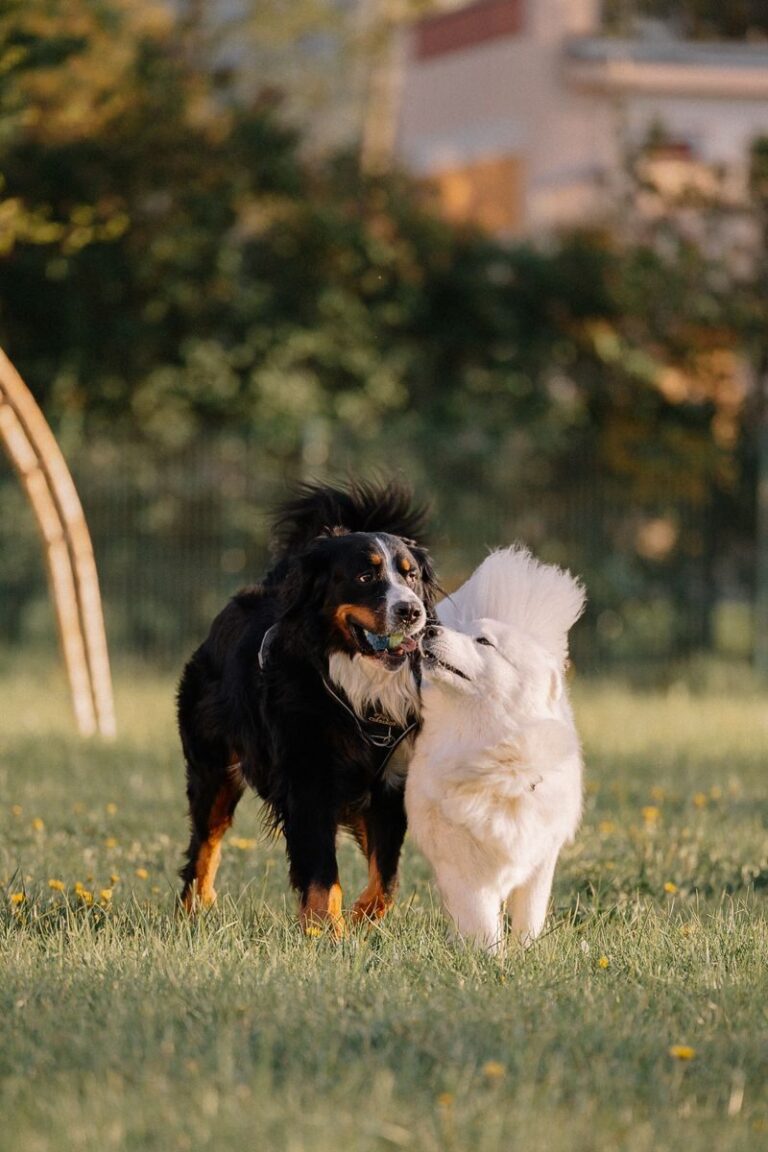
* Social Interaction: Balance social needs with rest. Shorter playdates or visits to well-known, low-stress parks like Osborne Park or Kildonan Park (during good weather) can be beneficial.
In Conclusion
Caring for a senior dog in Winnipeg’s unique environment requires patience, understanding, and adaptation. By focusing on their changing physical needs, diet, health monitoring, and behavioral shifts, you can ensure your mature canine companion enjoys a comfortable, happy, and fulfilling life for many years to come. It’s a wonderful opportunity to deepen your bond as they slow down and rely more on your love and support.
Remember: Always consult your veterinarian for personalized advice tailored to your dog’s specific breed, health status, and age.