In this story
Beat the Squirrel Chase: Keeping Your Winnipeg Dog Focused
Ah, Winnipeg! With its crisp air, vibrant parks, and ever-present squirrels, it’s a dog lover’s paradise. But for many Winnipeg owners, those furry acrobats can be a source of frustration and concern. That squirrel darting across the grass, peeking out from behind a bush, or scampering up a tree can instantly turn a peaceful walk into a high-stakes chase scene, leaving tails wagging in the wrong direction.
While chasing is a natural instinct for many dogs, especially hounds and terriers, it’s not always safe or desirable. In Winnipeg’s wide-open park spaces, an off-leash chase can mean unpredictable paths, potential encounters with traffic or other dogs, and moments where your dog forgets you’re the leader. Even on a leash, the intense focus required to track a squirrel can break crucial recall or focus commands.
The good news? With patience and the right approach, you can help your dog learn to manage this impulse. Here’s how to beat the squirrel chase in Winnipeg and keep your dog safe and focused.
Understanding the Squirrel Fix
Before we dive into solutions, it’s helpful to understand why dogs chase squirrels:
- Instinct: Squirrels are quick, darting, and often exhibit behaviors that mimic prey (running, hiding, sudden movements). This triggers the chase response in dogs who have strong prey drives.
- Excitement and Novelty: The unpredictability of a squirrel’s movements is highly stimulating for dogs. It’s a novel event that captures their attention immediately.
- Lack of Focus: If your dog hasn’t been trained to focus on you amidst distractions, anything interesting (like a squirrel) will capture their attention.
- Positive Reinforcement (Unintentional): Every time your dog successfully chases a squirrel, they get an adrenaline rush and the mental satisfaction of the hunt. This makes it reinforcing.
Strategies to Help Your Dog Overcome the Squirrel Lure
Stopping dogs from chasing squirrels requires a multi-pronged approach. It’s not about eliminating the squirrel (which isn’t possible and might stress your dog more), but about teaching your dog what not to do when a squirrel is present, and reinforcing what is important.
1. Master Recall and Focus First
If your dog doesn’t reliably come when called, especially when distracted, the squirrel chase problem is amplified. A strong recall is your absolute safety net. Similarly, the ability to focus on you despite distractions is key.
- Practice Recall Relentlessly: Make coming to you a game, not a chore. Use high-value rewards (like small pieces of kibble, peanut butter, or a favorite toy) only when they come to you. Practice in low-distraction areas first, then gradually increase distractions, including the presence of squirrels from a distance or on a TV screen (if appropriate for your dog).
- Focus Games: Practice focusing on you while other things are happening. Sit and wait for treats or praise while a ball rolls nearby, or while someone pretends to throw a toy. This builds the foundation for ignoring distractions.
2. Leash Reactions and Controlled Exposure
You can’t just ignore the squirrel problem. Controlled exposure is key, but it requires specific training:
- Teach an ‘Off’ or ‘Leave It’ Command: These commands are invaluable tools. Practice squirrels crossing your path or approaching your dog. Say “leave it” or “off” and reward compliance. Start with toys first, then work up to squirrels.
- Leash Reactions: When your dog shows interest in a squirrel while on leash, immediately and firmly say “No” or the name of the behavior you don’t want (e.g., “No chase”) and redirect their attention to you or a command like “focus” or “come”. Reward calm behavior. Consistency is crucial. If they break focus to look at a squirrel, calmly redirect again. This teaches that ignoring the squirrel leads to positive outcomes, while chasing gets a negative response (the brief “No”) and the loss of attention.
3. Desensitization and Counter-Conditioning
This approach aims to change the dog’s emotional response to squirrels.
- Start Far Away: Have someone hold a toy squirrel (or use a squirrel toy or even a picture/video) far enough away that your dog doesn’t react strongly. Reward calm behavior.
- Gradual Approach: Slowly move the squirrel toy closer, waiting for calm behavior before rewarding.
- Manage Environments: Proactively manage where your dog is off-leash. Avoid areas with heavy squirrel traffic unless your dog is well-trained. Stick to quieter paths or times.
4. Harness the Power of Recall in Motion
Teach your dog to come to you even while moving.
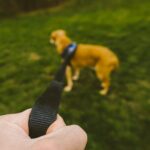
- Moving Recall: Start with short distances. Call your dog, reward them, and then move forward with them. Use a long leash initially to gently guide them back if they wander off. Practice in safe, enclosed areas.
- Route Training: Practice recall on specific walks. Choose routes with fewer distractions initially.
5. Manage the Environment
Sometimes training needs to be supplemented with management:
- Keep Them Leashed: Especially in high-risk areas (like Fort为什么坡 or Polo Park), keeping your dog on a loose leash can sometimes work. When they see a squirrel, you can gently guide them away or use a cue like “walk on” or “focus”.
- Use Harnesses or Citronella Collars (Use Carefully): These can provide a mild deterrent when a chase starts, but they should be used as a last resort and under guidance, as they can sometimes increase arousal if misused.
- Keep Dogs Fit: Ensure your dog gets plenty of exercise and mental stimulation. A tired dog is often less reactive to distractions.
- Teach ‘Nothing More Than a Kiss’ or ‘OK Handshake’: Reward calm, polite behavior. When your dog ignores a squirrel and calmly approaches you or offers a polite behavior, reward that.
Winnipeg-Specific Considerations
Winnipeg’s parks, like Assiniboine Park, Kildonan Park, and the many ravine parks, offer fantastic space for training and walks, but they are also prime squirrel territory. Remember the unpredictability of Winnipeg’s seasons; squirrels might be scarce in winter, but their activity can be intense in spring and fall. Always prioritize your dog’s safety and yours. If the chase becomes too intense or unpredictable, it’s okay to calmly move to a different area.
Patience and Persistence
This is a process. Dogs don’t suddenly stop chasing squirrels overnight. Celebrate small victories. Consistency is your best tool. If the behavior persists or you feel overwhelmed, consider consulting a Winnipeg-area certified professional dog trainer or animal behaviourist. They can provide personalized guidance.
Conclusion
Dealing with the squirrel chase in Winnipeg is a common challenge, but it’s one that can be addressed effectively with the right training and management strategies. By focusing on recall, focus, and controlled exposure, and by managing environments when necessary, you can help your dog learn to navigate these tempting distractions and stay safe and focused on the most important thing – you. Happy, focused Winnipeg dog walks are just around the corner!
Disclaimer: This article provides general guidance. Individual results may vary. For specific concerns, consult a professional dog trainer.