In this story
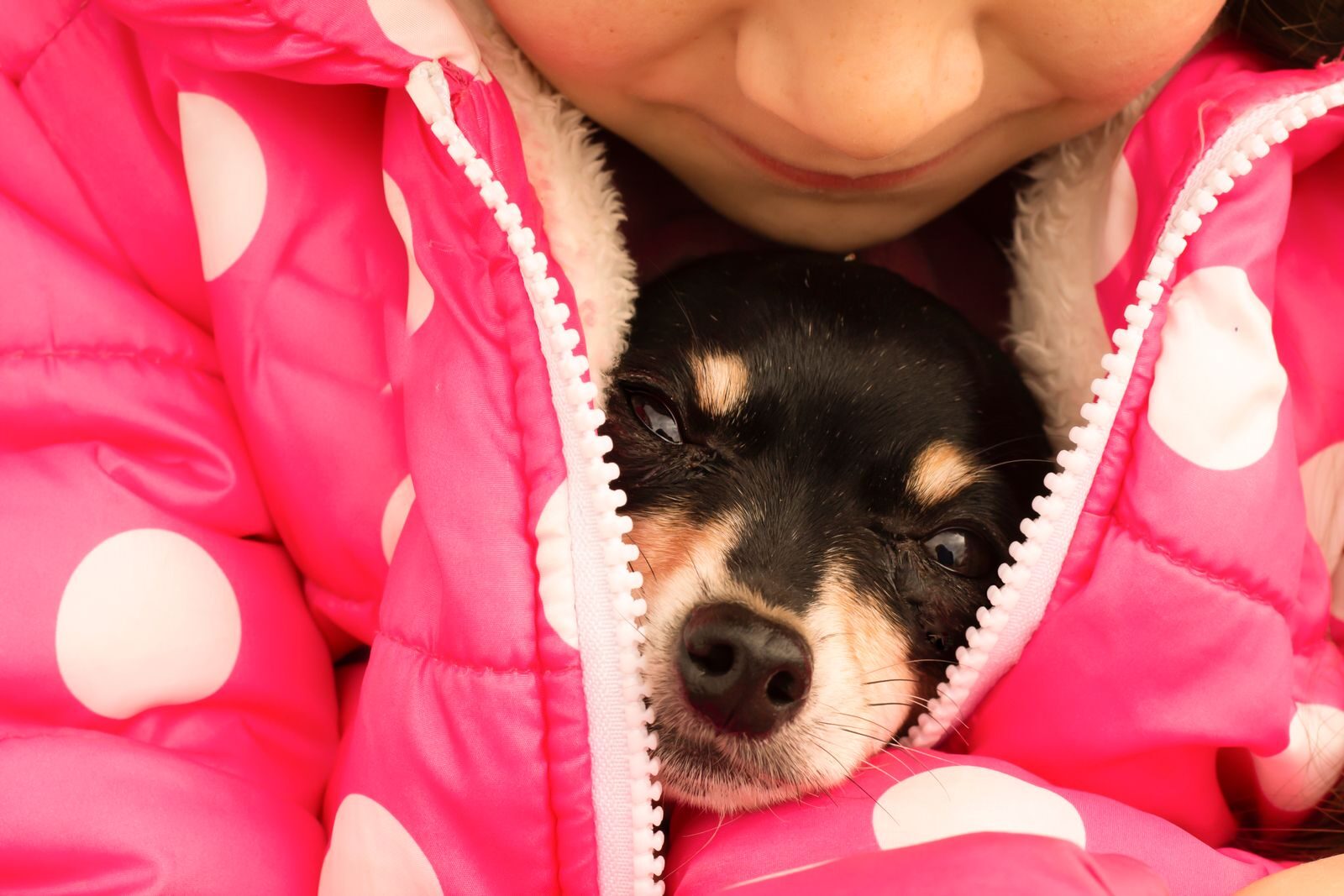
How to Safely Introduce Dogs and Kids in Vancouver
Bringing home a dog can be one of the most rewarding experiences for a family, especially when kids are involved. Vancouver’s diverse communities and outdoor lifestyle make it the perfect place for dog-loving families. However, introducing dogs and kids requires careful planning and ongoing management to ensure safety for everyone involved.
This guide provides practical advice for Vancouver families navigating this important step, drawing on local insights and general best practices.
Preparing Your Dog for Meetups
Before your first playdate or trip to a local park like Stanley Park, take steps to prepare your dog:
Socialization Basics
- Start Early: Begin socialization between 3 and 14 weeks of age if possible.
- Controlled Environments: Introduce to children in controlled, positive settings.
- Positive Reinforcement: Reward calm, friendly behavior with treats or praise.
Training and Management
- Obedience Training: Ensure your dog knows basic commands like ‘leave it’, ‘come’, and ‘stay’.
- Leash Training: Make walking on a leash second nature.
- Muzzle Training (Optional but Recommended): Consider muzzle training for off-leash areas or highly sensitive dogs.
Vancouver-Specific Considerations
- Microchip Registration: Ensure your dog is microchipped and registered with your local municipality in Vancouver. This is crucial for safety should they get lost.
- City Regulations: Familiarize yourself with Vancouver’s leash laws and dog waste bylaws.
Preparing Your Kids for Dog Interactions
Teach children how to interact respectfully with dogs, regardless of breed:
Age-Appropriate Education
- Respect Personal Space: Explain that dogs need quiet time and rest.
- Body Language: Teach kids to recognize signs a dog might be uncomfortable (whining, growling, tucked tail).
- No Surprise Approaches: Instruct kids not to approach dogs suddenly or from behind.
Supervised Practice
- Designated Zones: Create safe zones where kids can play without disturbing the dog.
- Positive Reinforcement: Praise children for calm and gentle interactions.
- Supervision is Key: Always supervise interactions, especially with younger children.
Supervised Meet-and-Greets
Controlled introductions are crucial for a positive experience:
Step-by-Step Introduction Process
- Neutral Territory: Start in a neutral location, like a park or your own backyard.
- Leashes: Keep all involved on leashes for control.
- Keep Them Apart: Use a baby gate or barrier to keep them separated initially.
- Controlled Exposure: Allow brief, calm interactions where the dog initiates.
- Reward Positively: Use treats, praise, or play to reinforce calm behavior from both.
- Gradual Progression: Slowly increase interaction time and proximity as everyone remains calm.
Things to Watch For
- Fear: If the dog shows fear, retreat and try again later.
- Excitement: If the dog becomes overly excited, separate them and try again.
- Inconsistency: Ensure all family members treat the dog consistently.
Managing Interactions
Once your dog and kids get along, managing interactions safely is essential:
During Playdates
- Designated Areas: Create play zones away from stairs or fragile items.
- Snack Management: Keep treats out of reach if they could be grabbed by children.
- Close Supervision: Never turn your back completely on the dog or child pair.
At Home
- Crate Options: Provide a safe, cozy crate for the dog if needed.
- Designated Dog Spaces: Create areas where the dog can retreat if overwhelmed.
- Supervise All Interactions: Even seemingly calm moments can escalate.
Vancouver Public Spaces
- Stanley Park Dog Park: If using the dog park, stick to the rules. Watch for signs indicating off-leash areas or specific play zones.
- Off-Leash Areas: Be aware of designated off-leash areas in Vancouver (e.g., near Kitsilano Beach).
- Beach Days: At Vancouver beaches, keep dogs on a leash and watch for other dogs or wildlife.
- Trails: When hiking, keep dogs on a leash unless in designated off-leash areas, respecting wildlife.
Long-Term Management and Safety
Building a harmonious relationship takes time and effort:
Ongoing Supervision
- Never Assume: Even familiar dogs can become stressed or unpredictable.
- Adapt as Needed: Adjust supervision levels based on the dog’s comfort and the child’s maturity.
Consistency is Key
- Daily Routines: Maintain consistent feeding, walking, and play times.
- Training: Continue reinforcing basic commands and etiquette.
Professional Help
- Trainers: If issues arise, seek help from a qualified animal behaviorist or positive reinforcement trainer.
- Vets: Consult your veterinarian about calming supplements or behavior issues.
Emergency Preparedness
- Know the Signs: Be aware of signs of aggression or severe fear in both dog and child.
- Emergency Plan: Have a plan for immediate separation if things go wrong.
Conclusion
Introducing dogs and kids in Vancouver (or anywhere) requires patience, preparation, and consistent effort. By focusing on positive interactions, careful supervision, and understanding the needs of both your dog and your children, you can create a harmonious and safe dynamic that enriches everyone’s lives. Remember, every dog is an individual, and building trust takes time. Start slowly, remain patient, and celebrate small successes along the way. Vancouver’s beautiful parks and outdoor spaces offer wonderful opportunities for families with dogs, but safety always comes first.
Related posts:
 Mastering the Leash: How to Walk Two Dogs at Once in Vancouver
 Winnipeg’s Guide to Harmonious Dog-Kids Homes
 Understanding Why Dogs Jump Up and Gentle Ways to Manage It in Vancouver
 A Guide to Keeping Your Vancouver Dog’s Ears Healthy
 Stop That Squirrel Chase! Training and Management Tips for Vancouver Dog Owners