In this story
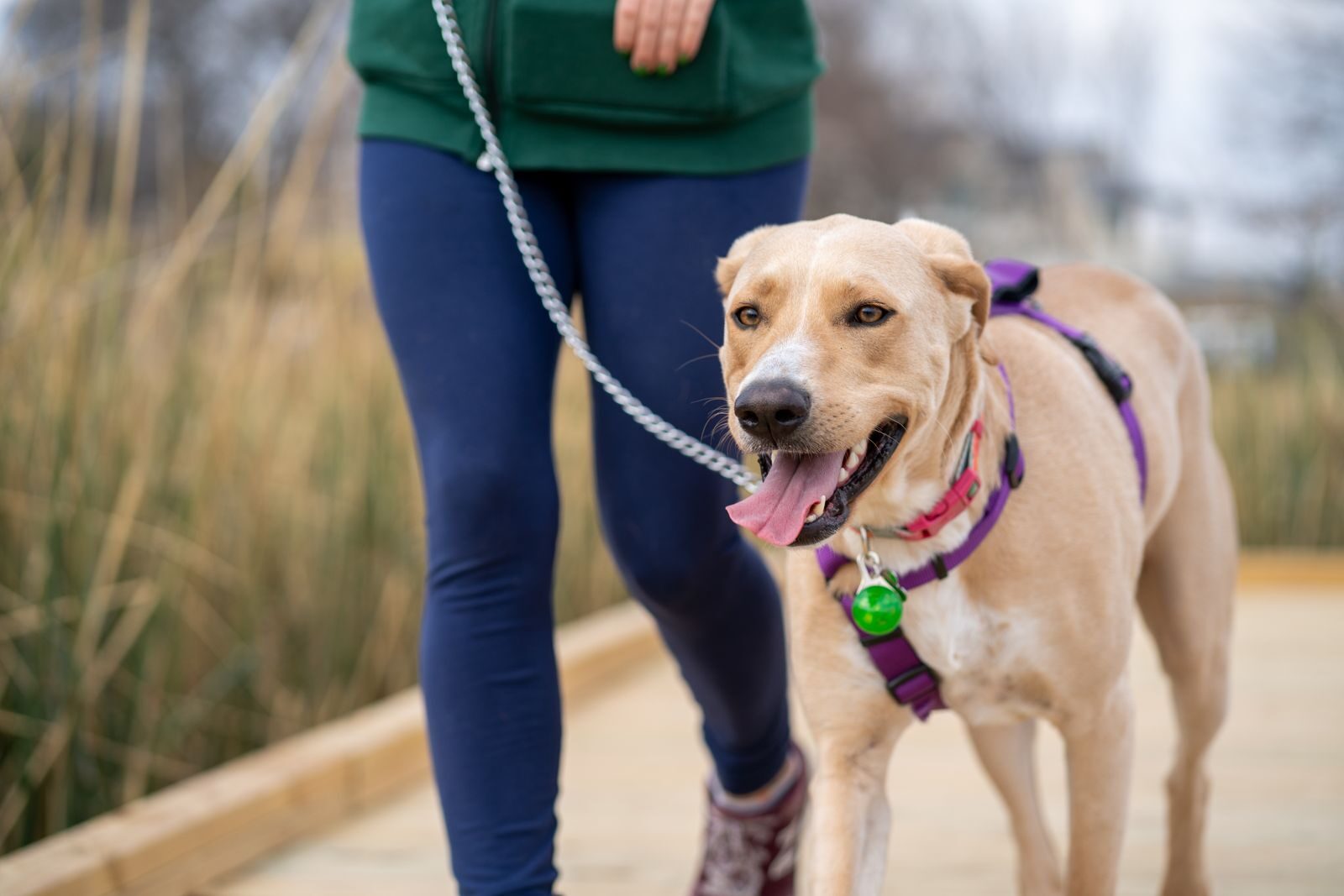
Understanding Your Reactive Dog
Before you step out the door, it’s crucial to understand what makes your dog reactive. Reactivity can stem from various fears, anxieties, or past experiences. Common triggers include other dogs, loud noises, sudden movements, or unfamiliar people.
- Identify Triggers: Observe your dog closely during walks. What consistently causes a reaction? Is it another dog on leash, an unleashed dog playing too roughly, a jogger passing by, or a specific type of noise?
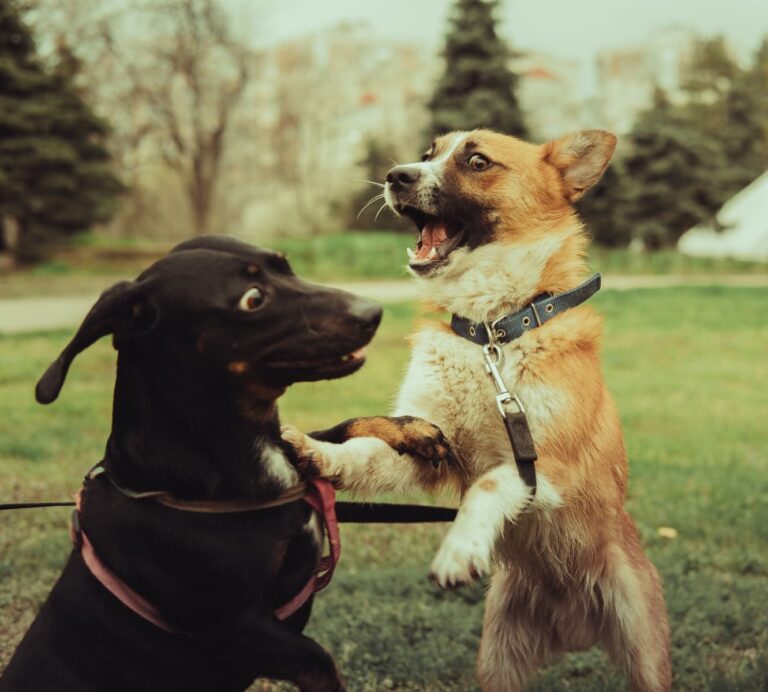
- Understand the Reaction: Does your dog bark, growl, snap, pace, crouch, or try to flee? Understanding the physical signs helps you anticipate and manage the reaction.
- Acknowledge the Fear: Reactivity is a fear response. Approach it with empathy, not frustration. Patience is key to helping your dog feel safer over time.
Preparation is Key: Before You Even Leave Home
Thorough preparation can make a huge difference in your reactive dog’s walking experience.
Gather Your Tools
You don’t necessarily need expensive gear, but having essentials ready helps:
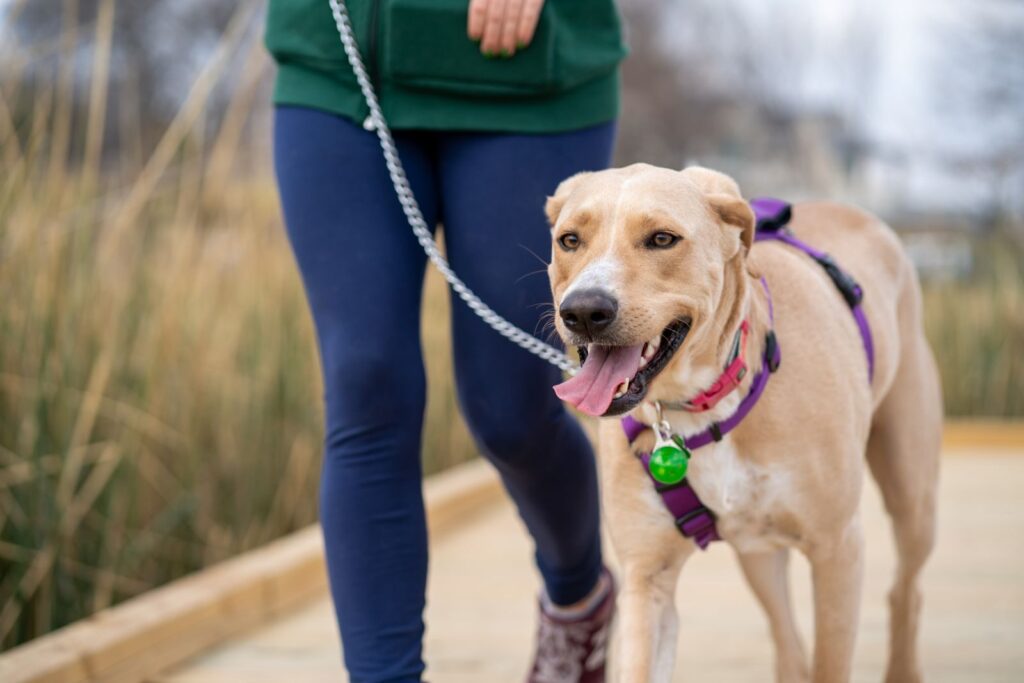
* A Secure Leash: A sturdy, reliable leash (like a 4-6 foot flat leash or a harness with a quick-release clip) gives you better control.
* Comfortable Collar or Harness: Ensure a proper fit for control and safety.
* Hydration: Carry a portable water bottle or a collapsible bowl to offer water if your dog shows stress signs.
* Treats (High-Value Ones): Keep some extra calming treats handy for moments you need to redirect or reward calm behaviour.
* Earplugs (Optional): If noise is a major trigger, consider bringing earplugs for your dog.
Plan Your Route
Not all Vancouver streets or parks are created equal for reactive dogs.
* Stick to Quieter Areas: Begin by exploring residential streets, less-busy times of day, and parks with lower traffic.
* Know Your Local Greenspaces: Vancouver has many excellent parks. Stanley Park offers wide-open spaces for potential distance, but can be overwhelming due to other dogs and crowds. Granville Island’s enclosed market area can be less stressful than downtown streets. Maplewood Park, Kitsilano Beach (especially the less crowded sections), and numerous neighborhood parks (like those in East Vancouver) may offer calmer options.
* Check Park Hours and Rules: Some parks might have specific rules or be closed on certain days.
Managing the Walk: Staying Calm and Focusing on Your Dog
How you behave as the walker significantly impacts your reactive dog.
Stay Calm and Confident
- Your calmness is contagious: Dogs pick up on our energy. Walk confidently, even if you’re feeling worried inside.
- Go at Your Dog’s Pace: Don’t rush. Pause if your dog needs to sniff or observe from a distance. Shorter, more frequent walks might be better initially.
Leash Management
- Control the Leash: Keep the leash slack and loose when appropriate to prevent pulling, but ready to pick up if your dog becomes reactive.
- Avoid Sudden Movements: Sudden stops or pulls can escalate fear. Use a gentle stop command and ask your dog to sit or focus on you.
- Use a Pronged Harness or Head Halter (If Helpful): These can offer more control for reactive dogs, but only if they are used positively and correctly. Consult a trainer if considering this option.
Dealing with Triggers
When a trigger appears:
* Assess the Situation: Is it safe to continue? Can you increase distance?
* Increase Distance: If possible, step back or move away slightly to give your dog more space.
* Manage Your Dog’s Focus: Ask your dog to ‘look at me’ or ‘focus on my hand’ to redirect attention.
* Use Calming Techniques: Offer a high-value treat, ask your dog to perform a calming behaviour (like sit, stay, lie down), or gently pet them.
* Ignore Reinforcement: If another dog is the trigger, avoid rewarding the reactive behaviour (like barking). Don’t make direct eye contact with the trigger dog.
* Remove Your Dog (If Necessary): If the stress becomes too high or unsafe, calmly lead your dog away to a quiet area.
Public Etiquette
- Be Proactive: Ask walkers ahead of you to keep their dogs on a short leash or to keep their dog at a distance if possible.
- Keep Your Dog on a Loose Leash: This reduces tension and allows your dog to focus on you rather than lunging.
- Carry Resources: Always carry water and treats.
- Know Your Rights and Responsibilities: In Vancouver, dogs generally need to be leashed in public. Ensure you’re compliant.
What About Vancouver’s Unique Environments?
- Stanley Park: Offers space but can be challenging due to wildlife (squirrels, deer), other dogs, and crowds. Stick to main paths initially, be aware of wildlife, and manage close encounters with other dogs.
- Granville Island: Can be busy. Stick to less crowded times or sections. The enclosed space might feel safer for some dogs.
- Downtown: More people, more dogs on leash, more noise. Requires extra caution and perhaps sticking to specific, quieter downtown neighbourhoods.
- Waterfront: Paths like those at Stanley Park seawall or Granville Island’s waterfront offer exercise but can be busy. Watch for seagulls or other potential triggers.
Patience and Progress
Managing a reactive dog is a journey, not an overnight fix.
- Celebrate Small Wins: Did your dog tolerate a trigger for an extra second? Reward that progress.
- Consider Professional Help: An experienced Vancouver vet or certified dog trainer can provide tailored strategies and positive reinforcement techniques. Look for recommendations or check the website for local resources.
- Don’t Give Up: It takes time and consistent effort. With patience and the right approach, most dogs can learn to feel more comfortable in public spaces.
Walking your reactive dog in Vancouver doesn’t have to be a source of stress. By understanding your dog, preparing carefully, managing encounters effectively, and showing endless patience, you can help your furry companion navigate the city’s diverse environments with more confidence and peace of mind.
Related posts:
 Beyond Leash Loafing: Enrichment Walks in Vancouver
 Bringing Your New Best Friend Home in Vancouver: A Gentle Guide
 Why Crate Training Can Be a Lifesaver for Most Dogs in Vancouver
 Early Steps to Manage Your Dog’s Resource Guarding in Vancouver
 Walking Your Reactive Dog in Mississauga: Tips for Calm and Confident Strolls