In this story
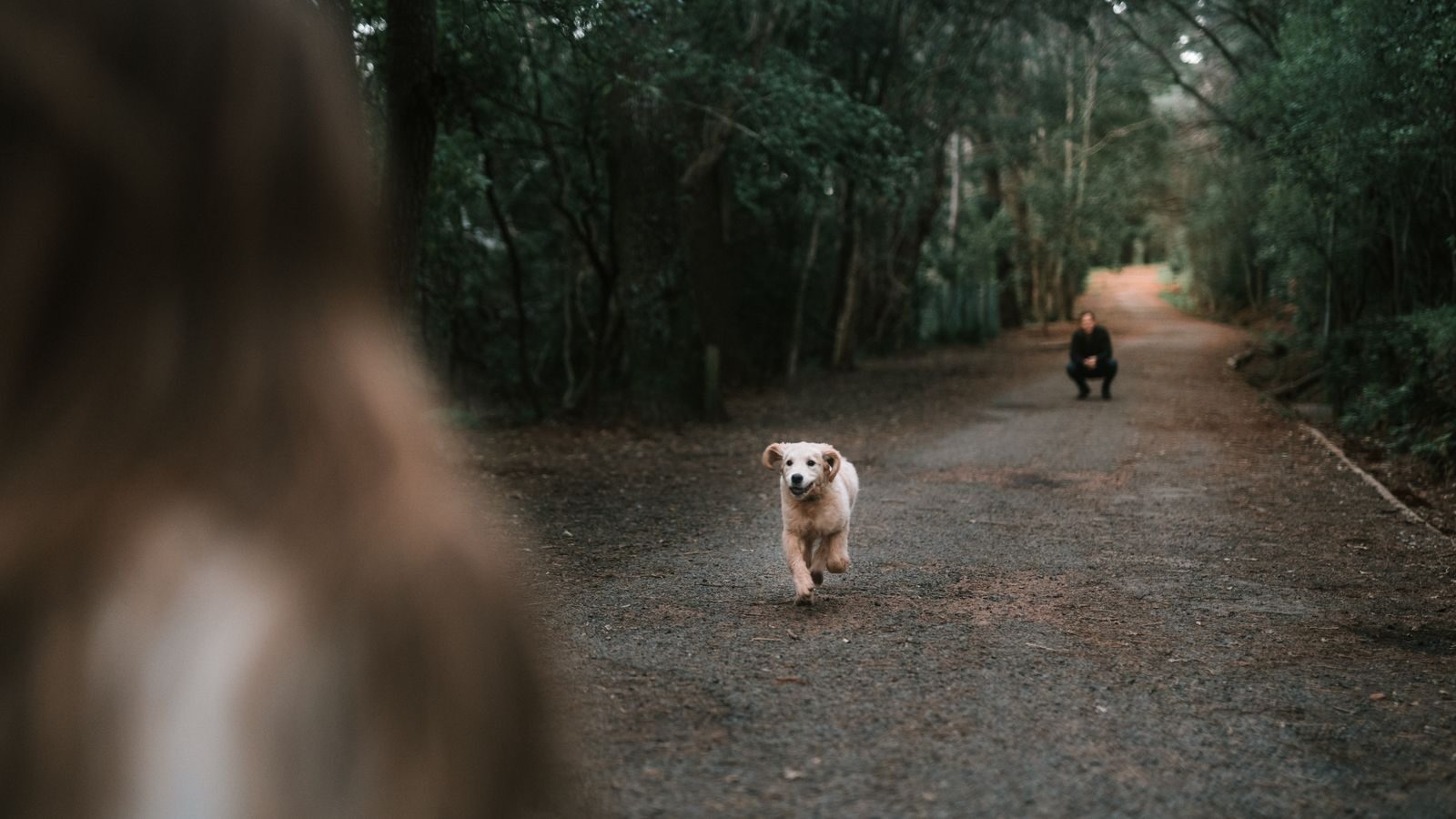
Train a Reliable Recall in Hamilton
In the bustling city of Hamilton, where neighbourhoods buzz with activity and parks beckon for exploration, having a dog that reliably comes when called isn’t just a neat trick—it’s a crucial safety net. A strong recall ensures everyone’s well-being, helping prevent potentially dangerous situations and keeping your best friend secure. But let’s be honest, training a dog to reliably “come when called” can sometimes feel like wrestling with a gentle tug-of-war. Fear not! With patience, consistency, and positive reinforcement, you can build a recall that serves as a reliable tool for both everyday moments and unexpected adventures.
Why a Reliable Recall Matters in Hamilton
Beyond the simple joy of having your dog eagerly wait for you, a dependable recall offers significant practical benefits in a city like Hamilton:
- Safety: This is paramount. In case your dog bolts from the leash or gets into an unfamiliar situation (like chasing a squirrel near Molson Road or at the docks), a reliable recall can be the difference between a minor mix-up and a serious incident.
- Preventing Escapes: If your dog gets loose, especially in a place like the Salmon Festival grounds or Hamilton Common, a strong recall increases the chances they’ll return to you.
- Managing Off-Leash Areas: Hamilton has fantastic off-leash zones like the beach at Port Credit or parts of the Hamilton Common. A reliable recall allows for safe and enjoyable exploration.
- Reducing Anxiety: Knowing your dog can be reliably summoned can reduce their own stress in certain situations.
- Community Harmony: A dog that comes when called is less likely to contribute to conflicts with other dogs or people in public spaces like the Art Gallery of Hamilton or cafes.
Getting Started: The Foundation of Recall Training
Training takes time, especially with a determined Hamilton terrier or a focused Labrador mix. Start when your dog is relaxed and not anticipating meals or play. Keep sessions short, typically 5-10 minutes, making them fun and ending on a positive note.
1. The Come! Cue in Everyday Scenarios
Instead of immediately heading to a park, practice recall in your own backyard or a quiet, familiar spot in Hamilton.
- Step 1: The Engaging Cue: Use a distinct, happy sound like “Come!” or “Here!” consistently. Avoid using it for minor requests.
- Step 2: The Initial Game: Have a reliable toy, a favorite treat (something small for recall, like a small piece of chicken or a specific kibble), or enthusiastic energy ready.
- Pro-Tip: Keep treats in a small, easily accessible pouch, not your pocket, to avoid losing them.
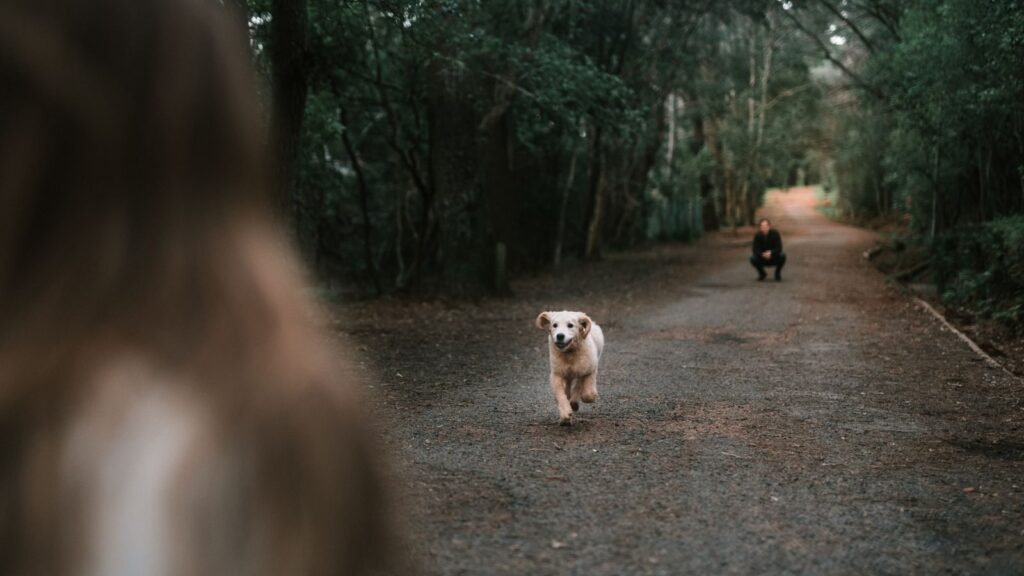
- Step 3: The Short Excursion: Call your dog with an excited tone. As soon as they start moving towards you, lavish them with praise and a reward. If they reach you, celebrate! If they hesitate, try again immediately.
- Step 4: Gradual Distraction: Once they reliably come for a treat indoors, introduce slight distractions (like a toy rolling under the fence, or someone walking by). Practice in the park at the Hamilton Community Building or in a quiet part of the city.
2. Making Come! More Rewarding Than Running Away
A common frustration is when the “Come!” cue becomes less effective because the lure of freedom or something else is too strong. To prevent this:
- High-Value Rewards: Use rewards that are truly special for your dog – a specific toy exclusively for recalls, a small piece of cooked chicken, or a special “Come!” treat. Keep the rewards exciting!
- Manage the Environment: Initially, keep recall practice in low-distraction areas. Gradually increase distractions as your dog improves.
- Never Use Recall as Punishment: This is crucial. “Come!” should always be associated with positive outcomes, never with correcting disobedience or scolding. If your dog doesn’t come, wait a moment, try the cue again with extra enthusiasm and reward if they respond. If they still don’t, you might need to end the session and try again later.
- One-Word Cue: Stick with one clear word for the recall cue (like “Come”) rather than “Here Boy” or “Hey”, to make it easier to teach and recognize.
Common Challenges in Hamilton and How to Overcome Them
- The Squirrel Syndrome: Hamilton’s parks are full of squirrels! If your dog is fixated, try practicing recall when they are intensely focused on a toy or a distant squirrel.
- Solution: Use an even more engaging reward or lure (like a flirt pole toy) to capture their attention before giving the “Come!” cue. Make coming to you the absolute best thing happening at that moment.
- The Freedom Fix: Once your dog starts coming reliably, they might associate coming only when unsupervised, leading to less enthusiasm.
- Solution: Keep the recall high-reward initially. Rotate toys and treats. Practice in neutral or slightly negative environments (like near a busy street or Hamilton Place mall).
- Multiple Dogs: Training in areas with other dogs can be challenging.
- Solution: Start with minimal exposure. Use treats and toys to manage focus. Keep sessions short. Consider enrolling in a positive recall class at a facility like the Hamilton Dog Training Center (if available) or use online resources.
- Lack of Enthusiasm: Not all dogs are naturally excitable about coming.
- Solution: Make the reward truly fantastic. Use enthusiastic body language. Keep sessions short and positive. Some dogs respond better to toys than food for recall.
Practical Tips for Hamilton Dog Owners
- Consistency is King: Everyone in the household should use the same cue and method. Ensure all family members and friends understand the “Come!” rule.
- Extrinsic Motivation: Especially in the beginning, treats and toys are powerful motivators. As your dog learns, intrinsic motivation (feeling safe, enjoying your company) should grow stronger.
- Off-Leash Practice: Once reliably trained, explore Hamilton’s off-leash areas like the Hamilton Farmers’ Market grounds or designated zones at the beach. Always prioritize safety.
- Vary the Practice: Don’t just practice when you’re at home. Incorporate recall into walks, playdates, or visits to the Art Gallery of Hamilton.
- Be Patient: Building a reliable recall takes time and repetition. Celebrate small successes.
- Professional Help: If you encounter persistent difficulties, consider consulting a positive reinforcement-certified trainer in the Hamilton area. Look for organizations focused on positive methods.
Beyond the Basics: Making Recall a Lifesaving Skill
A reliable recall isn’t just about fun playdates; it’s a vital tool for safety. Use it responsibly:
- In Emergencies: If your dog runs towards a dangerous situation (traffic, water), you might need to use a firmer tone and a clear command, but always aim to reward compliance.
- Social Situations: Ask other dog owners or friends to help practice by occasionally calling your dog when you’re together.
Wrapping Up
Training your Hamilton dog to reliably come when called is an investment in their safety and strengthens your bond. By using positive reinforcement, consistency, and gradually increasing challenges, you can transform “Come!” into one of your dog’s most reliable commands. Start small, celebrate progress, and enjoy the journey to a more connected, safer life together in the city of Hamilton.