In this story
Beat the Bugs Naturally: Keeping Your Hamilton Dog Tick and Flea-Free
As the weather warms across Hamilton, our four-legged friends are enjoying the sunshine just as much as we are! But with longer days and warmer temperatures, comes an increase in pesky parasites like ticks and fleas. These tiny troublemakers can cause serious discomfort and even health issues for our dogs. While there are many commercial products available, many Hamilton pet owners are turning to natural approaches to keep their dogs protected.
Whether your dog spends time in the local parks, on the Hamilton waterfront, or just in the backyard, understanding how to prevent ticks and fleas naturally is an essential part of responsible pet ownership in this region.
Understanding the Menace: Ticks and Fleas in Hamilton
Before diving into prevention, let’s quickly understand our adversaries:
-
Ticks: These tiny blood-sucking parasites thrive in Hamilton’s warmer months, particularly in areas with high grass, woodland edges, and moist environments. They can transmit serious diseases like Lyme disease, Anaplasmosis, and Ehrlichiosis. Finding one on your dog is stressful and requires prompt removal and vet check-up.
-
Fleas: Fleas are even smaller and incredibly resilient. They infest dogs, causing itching, skin irritation, and potential allergic reactions. Fleas can also jump onto furniture and other pets, making infestations difficult to control. They are common in Hamilton homes, especially during spring and summer.
Hamilton’s climate, with its distinct seasons, means ticks and fleas are most prevalent from roughly April through October. Being proactive during this period is key.
Natural Prevention Strategies for Your Hamilton Dog
While no method is foolproof, incorporating these natural approaches can significantly reduce the risk:
1. Mindful Walks and Park Etiquette
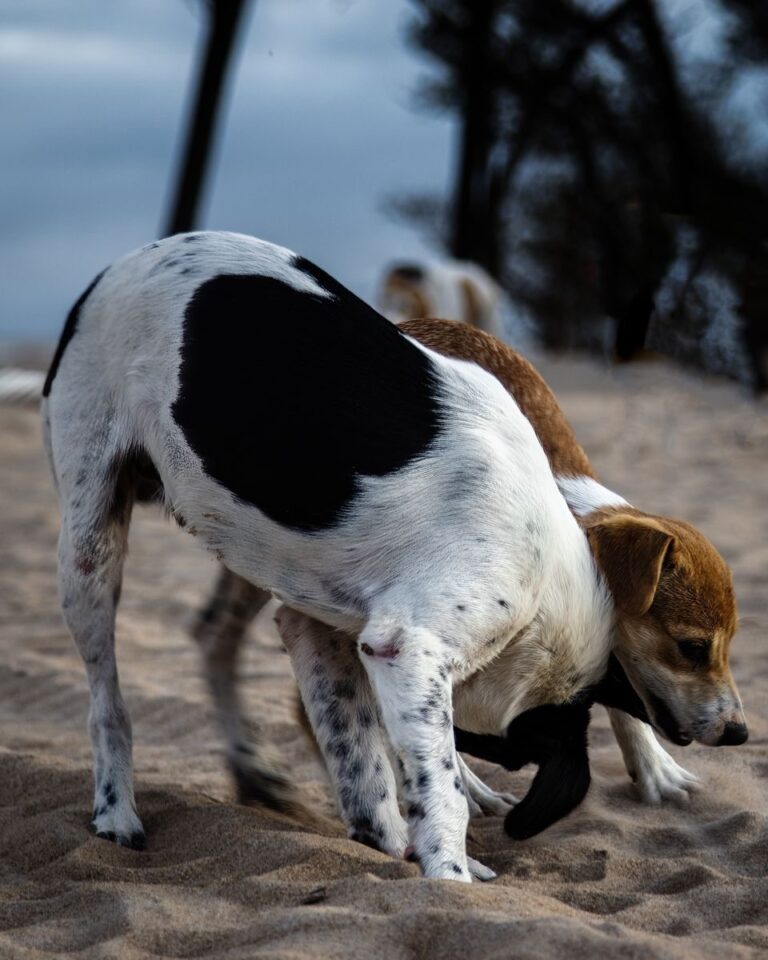
- Know Tick Hotspots: Hamilton has lovely parks and green spaces. Be extra vigilant when walking your dog in areas like the Goree Dog Beach or trails near Hamilton’s woodlands. Ticks are often found in tall grass, leaf litter, and wooded areas.
- Tick Checks: Make tick checks a habit after every walk. Pay close attention to areas like the head, neck, ears, armpits, between the toes, and under the collar. Early detection is crucial.
- Flea Checks: Similarly, check your dog for fleas regularly, especially after visiting friends’ homes or other areas where dogs frequent.
- Avoid High-Risk Areas: While difficult in a city like Hamilton with its many dog parks, try to avoid walking your dog in dense, damp vegetation during peak tick season if possible.
2. Harnessing the Power of Nature at Home
Your home environment plays a significant role in flea and tick prevention:
- Regular Vacuuming: Use a vacuum cleaner with a HEPA filter on carpets, rugs, and furniture at least once a week. Dispose of the vacuum bag or contents immediately outside to prevent reinfestation.
- Washing Bedding and Linens: Wash your dog’s bedding, blankets, and toys frequently in hot water (at least 55°C/131°F) to kill any eggs or flea larvae.
- Yard Management: Keep your yard well-maintained. Regularly mow the lawn, remove leaf litter, and consider using natural lawn treatments to reduce moisture and overgrowth where ticks might thrive.
atural Dog Shampoos and Treats
Look for gentle, natural dog shampoos containing ingredients like:
- Apple Cider Vinegar: Can help repel fleas and ticks temporarily and balance skin pH.
- Oatmeal: Great for soothing itchy skin and may help repel fleas.
- Lavender: Known for its insect-repelling properties.
- Neem Oil: A natural extract from the neem tree that can deter fleas and ticks.
Choose products from small Canadian pet makers who focus on natural ingredients. Always patch test new products on a small area of your dog first.
4. Dietary Support for Skin Health
A healthy diet contributes to a healthy skin and coat, making it harder for parasites to take hold. Consider high-quality dog foods that include natural ingredients known for their skin-soothing properties, such as fish oil (rich in Omega-3s), pumpkin, and certain vitamins.
5. Environmental Sprays and Dusting
Create a natural barrier in your home:
- DIY Sprays: Mix water with a few drops of lavender essential oil or diluted neem oil and spray around baseboards, window sills, and pet bedding areas. Remember, essential oils can be potent and potentially harmful to pets, especially cats. Use with caution and ensure good ventilation. Consult your vet before using any essential oils.
- Diatomaceous Earth (Food Grade): Sprinkle a thin layer of food-grade diatomaceous earth (DE) around your home, avoiding direct contact with pets and food. DE is a natural powder made from fossilized algae and works by dehydrating parasites. Reapply after cleaning or after spills.
Natural Treatment Options if Prevention Fails
Even with the best prevention, sometimes a tick or flea finds its way onto your dog. Natural treatments can help remove or soothe them:
- Ticks: Remove ticks promptly. Use fine-tipped tweezers or a tick removal tool. Grasp the tick as close to the skin as possible and twist steadily upwards. Clean the area with antiseptic. Avoid twisting or crushing the tick.
- Flea Shampoos/Baths: Use natural flea shampoos periodically, following package instructions. Oatmeal baths can also help soothe and remove fleas.
- Coconut Oil: Massaging natural coconut oil into your dog’s skin can sometimes suffocate fleas.
- Consult Your Vet: Always consult your Hamilton veterinarian if you notice a significant infestation or if your dog shows signs of flea or tick-related illness (excessive itching, skin lesions, lethargy, loss of appetite).
Gentle Home Remedies to Consider
- Apple Cider Vinegar Spray: Can be sprayed on fur (avoiding eyes and sensitive areas) to repel fleas.
- Rosehip Oil: Contains Vitamin A and essential fatty acids that may help with flea allergies and skin health.
- Flea Combs: Regularly comb through your dog’s fur with a fine-tooth flea comb, treating any fleas you find with a mild soap or diluted essential oil (lavender or tea tree – use sparingly).
The Importance of Veterinary Care
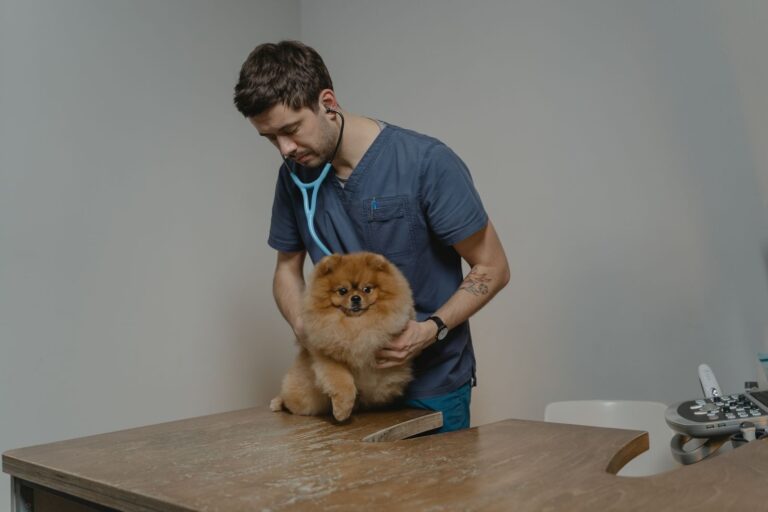
While natural prevention and treatment methods are valuable, they shouldn’t replace professional veterinary advice. Your veterinarian is the best resource for:
- Recommending safe and effective flea and tick preventatives suitable for your dog’s specific needs (especially important for puppies and seniors).
- Diagnosing tick-borne diseases if your dog shows symptoms.
- Guiding you on appropriate treatments if a severe infestation occurs.
Living Flea and Tick-Free in Hamilton
Keeping your Hamilton dog tick and flea-free requires vigilance, especially during the warmer months. By combining regular checks, environmental management, natural products, and consultation with your vet, you can enjoy a happy, healthy dog without relying solely on chemical treatments.
Remember, prevention is always the best strategy. Stay proactive, stay informed, and enjoy the great outdoors with your furry companion in Hamilton!
Note: Always consult with your veterinarian before introducing any new natural remedies or changing your dog’s diet or parasite prevention routine.
Related posts:
 Hamilton’s Best Walking Trails for Dogs
 Understanding and Managing Your Dog’s Fall Allergies in Hamilton
 Make Mealtime Magical: Simple Ways to Enrich Your Hamilton Dog’s Daily Routine
 Cozy Canine Spa Days: Pamper Your Pooch at Home in Hamilton
 Master Loose-Leash Walking: A Guide for Hamilton Dog Owners