In this story
Understanding and Addressing Resource Guarding in Your Vancouver Dog
Welcome Vancouver dog owners! As proud dog guardians in this beautiful city, we know how much joy our canine companions bring us. From exploring Stanley Park to relaxing at home on the Island, our dogs are integral to our lives. But sometimes, dog ownership comes with challenges, one common issue being resource guarding. When your dog hoards their food, toys, or even your affection and snaps when approached, it can create tension and potential danger.
The good news? Early intervention is key, and addressing resource guarding before it escalates can make a huge difference in your dog’s well-being and strengthen your bond. This guide offers practical, compassionate advice tailored for Vancouver dog lovers.
What Exactly is Resource Guarding?
Resource guarding refers to a dog’s protective behaviour towards something they value. This “something” (the resource) can be varied: their food bowl, a chew toy, a blanket, a specific resting spot, or even your lap or attention. The behaviour itself is often a natural instinct rooted in survival – protecting food or space from perceived threats.
However, when guarding becomes excessive, aggressive, or directed at humans in the household, it’s a problem. It stems from fear, anxiety, or learned behaviour, indicating that the dog sees the resource as crucial and vulnerable. Think of it as a dog testing boundaries or communicating fear through protection.
Why Addressing It Early Matters in Vancouver
In a city as active and communal as Vancouver, managing resource guarding is particularly important:
- Safety: Uncontrolled guarding can lead to bites, not just on other animals or people visiting Stanley Park, but even within your own household.
- Stress: It creates anxiety for both the guarded dog and those interacting with them.
- Social Interactions: Makes visits from friends, family, or even dog walkers at local parks like Kitsilano Beach more tense.
- Prevention: Addressing it early prevents the behaviour from becoming deeply ingrained and harder to manage later.
Recognizing the Signs: Early Warning Tones
Spotting resource guarding early is crucial. Here are common signs to watch for:
Mild to Moderate Warning Signs
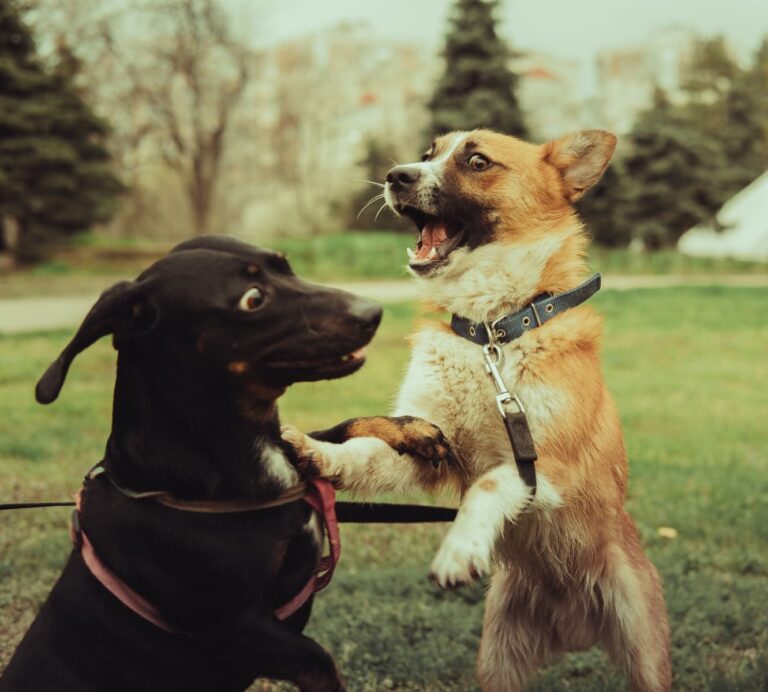
- Body Language: Stiffening posture, raised hackles (fur standing on end), lowered head/ears, growling, lip licking, yawning, turning head away when approached while guarding a resource.
- Guarding Specific Items: Staying close to food, toys, or resting spots, refusing others to touch or approach.
More Severe Warning Signs (Indicate a Problem)
- Snapping or Biting: Even a quick nip to discourage handling.
- Fearful Aggression: Snarling, snapping accompanied by fear-based body language (whale eye, tucked tail).
- Resource Destruction: Barking or chewing at the resource to keep others away.
Practical Strategies for Early Intervention
Dealing with resource guarding requires patience, consistency, and understanding. Here are practical steps to begin addressing it early:
1. Identify and Remove Triggers
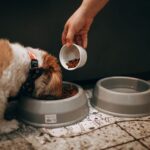
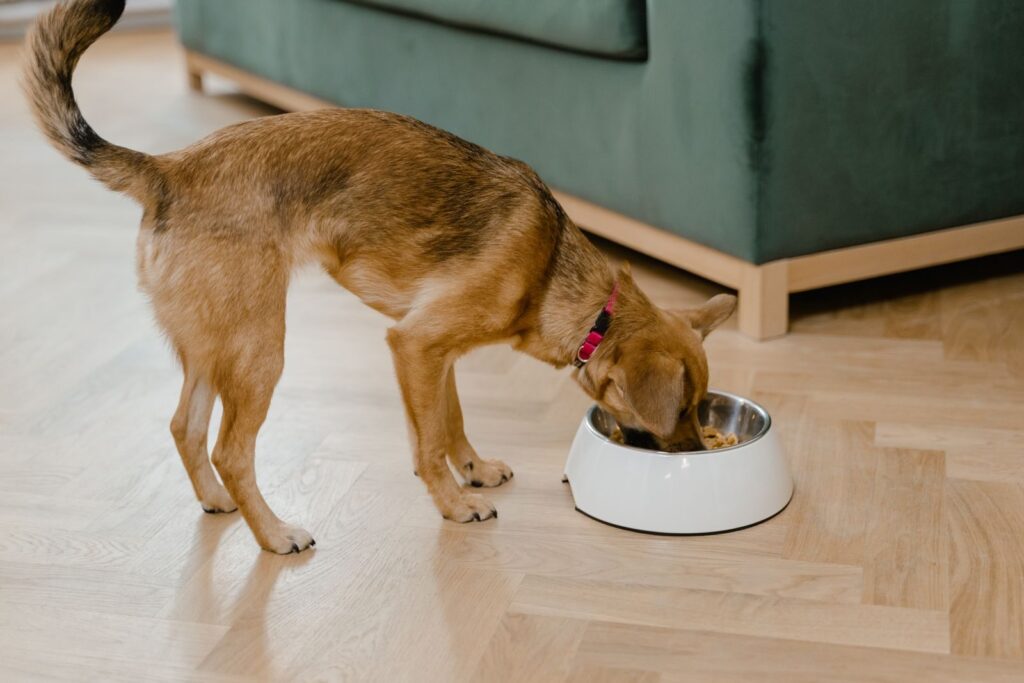
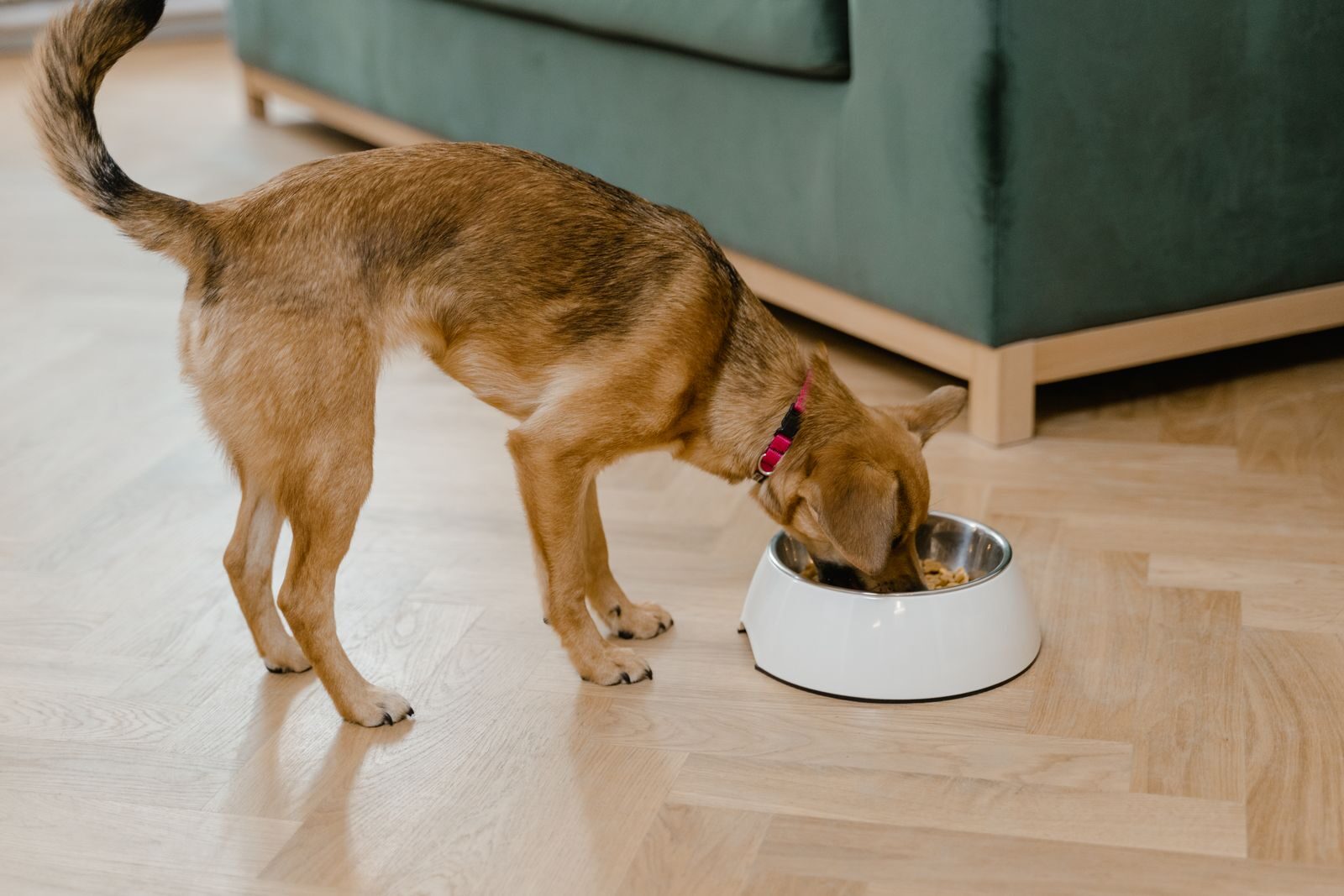
- Mealtime: Keep meals in a designated area where your dog feels secure. Use slow-feeder bowls or multiple smaller food-dispensing toys to encourage foraging and reduce the intensity of guarding one pile. Consider dividing kibble slightly before feeding if appropriate for your dog’s breed and needs.
- Toys and Comfort Items: Store valued items away when not being actively played with or used for comfort. Teach “drop it” for appropriate items.
- Your Attention: Avoid prolonged one-on-one play or cuddle sessions that might become exclusively theirs.
2. Practice Relaxed Resource Handling (The “Nothing Nice” Technique)
This is often considered one of the most effective, non-aversive methods.
- What you need: A highly valued, non-food item (e.g., a specific toy or blanket) and high-value treats.
- How it works: When your dog is guarding their resource (let’s say a toy), calmly offer them a high-value treat instead. If they look at you or take the treat, praise them enthusiastically.
- Graduation: The goal is to exchange the guarded item for a treat, then eventually just for attention or play. Repeat this process consistently whenever you catch them guarding something.
- Crucial: Keep the “nothing nice” sessions brief (a few seconds) and only approach when they are relaxed with the resource. Never force it.
3. Increase Resource Availability and Accessibility
- Multiple Resources: If one food bowl or bed is guarded, consider providing safe, appropriate alternatives elsewhere in the home. This reduces the perceived need for sole control over one specific item.
- Use Food-Stuffed Toys: Interactive food toys (like puzzle toys or stuffies) encourage your dog to engage with food in a way that naturally reduces guarding over time.
4. Build Positive Associations Through Training
- Teach “Leave It”: A vital command for all dogs. Practice with low-value items first, then gradually move to items they guard. Reward compliance generously.
- Positive Reinforcement: Catch your dog being relaxed around resources and reward that calm behaviour with treats or praise.
- Socialization: Ensure your dog has positive, controlled interactions with people and other dogs, even during quiet moments at the dog park or on walks, reinforcing that sharing and calm are acceptable.
5. Consistency is Key
All household members must practice the same techniques consistently. Inconsistent handling can confuse the dog and hinder progress.
6. Manage Environments Proactively
- At Home: Keep potentially guarded items out of easy reach or in a secure location.
- At Parks: Be mindful of your dog’s triggers. If they guard their food, use a slow-feeder bowl or carry treats. Keep interactions calm. If guarding escalates, calmly exit the situation.
When to Seek Professional Help
While these strategies can be very effective for mild to moderate guarding, sometimes professional help is needed:
- Severe Aggression: If guarding involves significant snapping, biting, or fear-based aggression.
- History of Severe Reactions: If your dog has previously caused injury.
- Lack of Progress: If you’ve tried several weeks of consistent management and “Nothing Nice” but see little change.
Professional help typically involves a certified Applied Animal Behaviourist (CABC) or a qualified Vancouver-based dog trainer experienced in fear/gravity aggression. They can provide a tailored plan, potentially including counter-conditioning and desensitization.
Focusing on Vancouver: Local Considerations
Whether you’re enjoying the green spaces Vancouver has to offer or navigating city living, the principles remain the same. However, being aware of your surroundings is crucial:
- At Stanley Park: Be extra mindful of guarding if your dog guards food or toys. Keep treats handy for the “Nothing Nice” technique if needed. Watch for signs in unfamiliar dogs.
- Local Parks: Maintain control over your dog’s resources, especially if interactions with other dogs or people occur.
Patience and Compassion
Addressing resource guarding is a journey. Progress may be slow, and there will be setbacks. Remember, guarding often stems from fear or insecurity, and our dogs communicate through behaviour. Approach the situation with patience and empathy. By focusing on positive reinforcement and building trust, you can help your Vancouver dog feel more secure and reduce the need to guard.
Final Thoughts
Taking steps early to manage resource guarding not only protects everyone involved but also improves your dog’s quality of life. By understanding the behaviour, using gentle management techniques, and seeking help when needed, you can create a safer, more harmonious environment for your furry family member here in beautiful Vancouver. Your commitment makes a real difference!