In this story
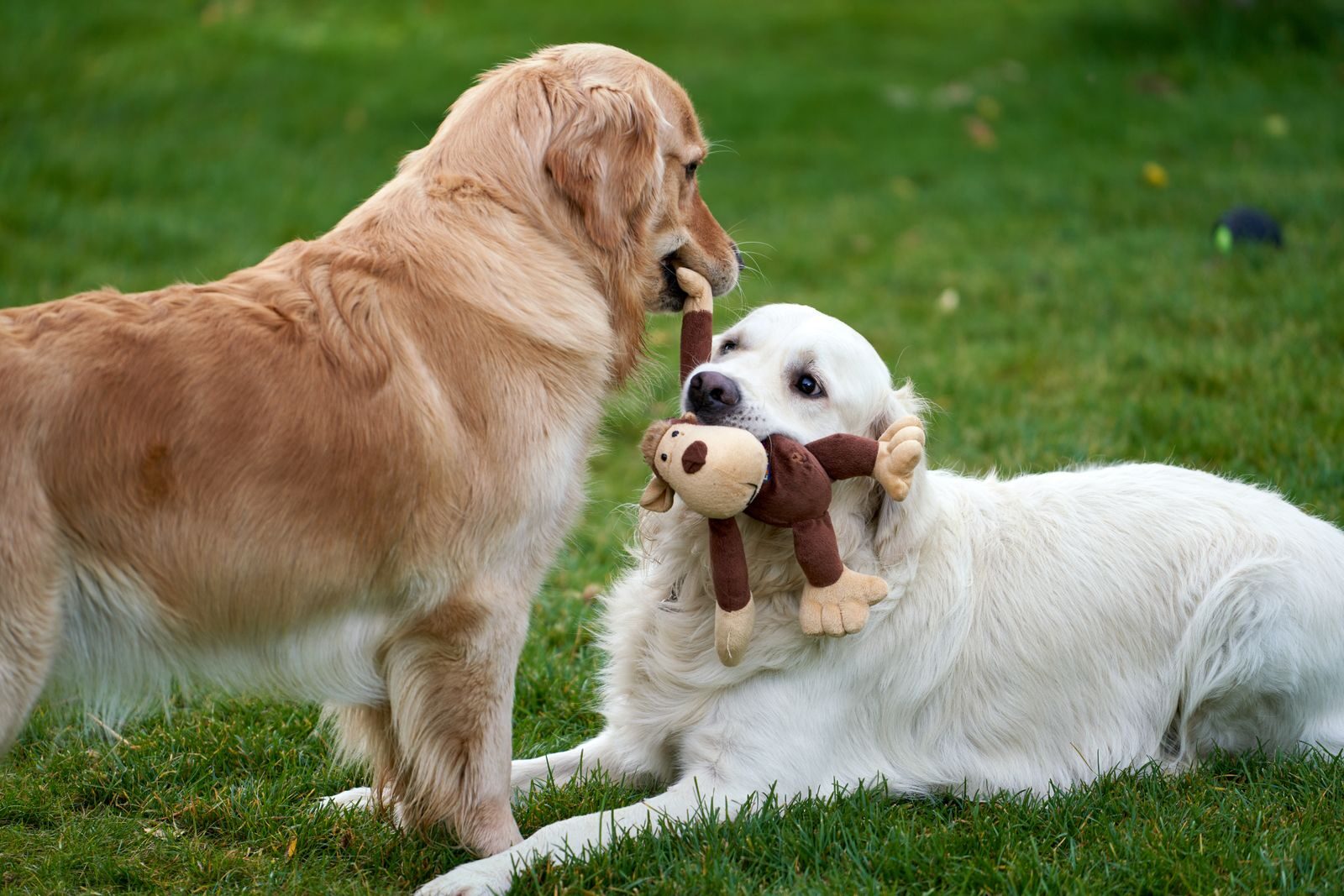
Early Steps to Manage Your Dog’s Resource Guarding in Calgary
Resource guarding can be a challenging behavior for any dog owner to manage, especially in a place like Calgary where dogs enjoy outdoor time but still need to interact safely with people and other animals. But addressing it early is key to preventing it from becoming a serious issue. Resource guarding involves a dog protecting resources like food, toys, or a favorite resting spot. While it’s an instinct rooted in survival, excessive guarding can lead to conflicts, especially in a city like Calgary where dogs often share spaces like parks.
This guide focuses on practical, early intervention strategies to help you manage and potentially reduce resource guarding behaviors before they escalate. By building trust and using positive methods, you can help your Calgary dog feel secure without feeling the need to guard.
Understanding Resource Guarding: What It Really Means
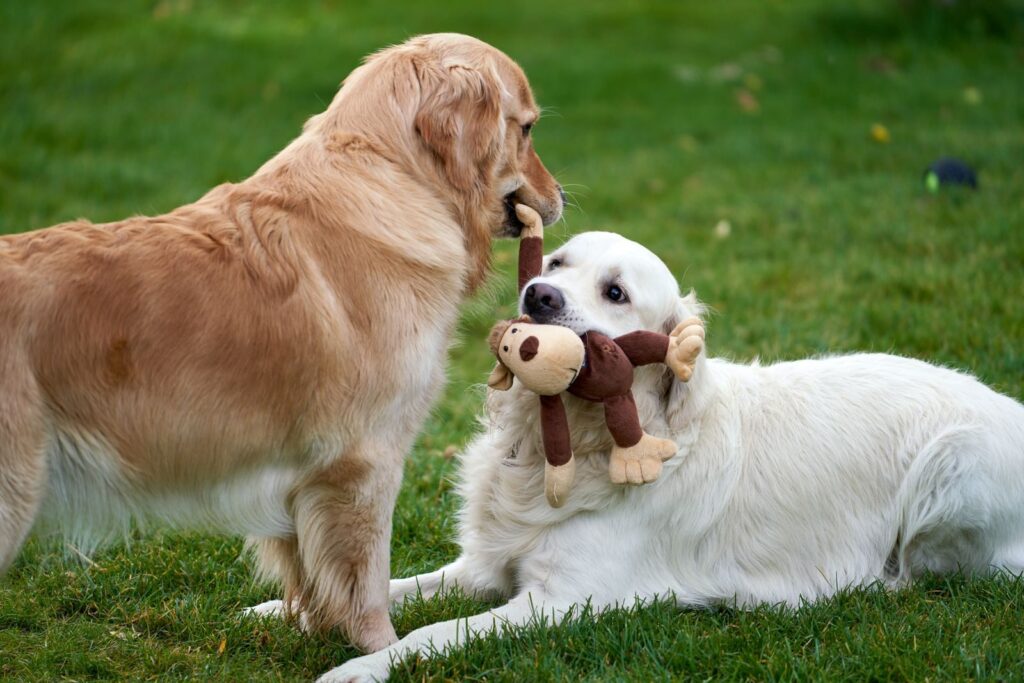
Before diving into prevention, it’s crucial to understand what resource guarding looks like. This behavior isn’t just about stealing; it’s about protecting something the dog values. In its mild form, it’s normal. But when it escalates, it can show as growling, snapping, or even biting when approached while they’re eating, playing with a toy, or relaxing.
Resource guarding often stems from fear or insecurity. A dog might guard to ensure they have enough, or because they feel vulnerable. In Calgary’s diverse environment, from busy downtown cores to quiet prairie parks, dogs need to learn appropriate ways to interact with the world around them. Early signs include possessive body language – like raised hair, growling, or staring intently – when you try to take something they’re using.
Why Addressing It Early Matters
Ignoring early signs can unfortunately lead to more severe behavior problems. A dog that learns to guard becomes more anxious and reactive over time, making everyday situations stressful. In a city like Calgary with its mix of public spaces, this can put everyone at risk. Early management helps prevent the behavior from becoming entrenched and makes training more effective. It also strengthens your bond, as your dog learns to trust you as a safe resource, not a threat.
Recognizing the Early Warning Signs
Spotting guarding behavior early is your first line of defense. Here are common signs to watch for:
- Possessive Staring: Fixating on an object, toy, or food bowl with an intense gaze.
- Submissive Postures (at first): Sometimes, guarding starts subtly. Your dog might show mild appeasement like lowering their body, avoiding eye contact, or licking your lips when approached with something they like.
- Alertness: Ears pinned forward or forward with intense focus on you or another person/animal.
- Body Language Cues: Hair standing on the back or base of the neck (whale eye), lip licking, yawning, or turning their head away.
- Mild Vocalization: Whining, growling, or low-pitched barking when approached while guarding a resource.
Being observant helps you intervene before the behavior escalates into a serious safety concern. Pay attention during everyday activities like meal times, play sessions, or when they have access to their bed or blanket.
Prevention and Early Intervention Strategies
Prevention is always easier than correction. Here are practical ways to start managing resource guarding from the early stages:
1. Build Strong Trust and Respect
- Positive One-on-One: Ensure your dog associates you as a positive presence. Spend one-on-one time with high-value rewards (like specific Calgarian-made treats or a favourite Calgary dog toy) so they look to you for good things.
- Manage Resources: Keep tempting items out of reach until you’re confident guarding isn’t an issue. This might mean stowing their food bowl away or not letting them get too comfortable on your favourite Calgary couch.
2. Practice Impulse Control Training
Teaching your dog to wait or drop an item builds self-control and reduces the need to guard.
- Food Focus: Start with small pieces. Lure them with a treat, then ask them to “wait” as you gently remove the treat. Reward success with a different, high-value treat.
- Item Focus: Practice dropping toys. Encourage them to give you a toy on cue, starting with just a second or two before reward.
3. Controlled Exposure and Desensitization
Gradually expose your dog to situations that might trigger guarding, but in a controlled, positive way.
- Manage the Environment: If they guard their bed, don’t let them monopolize it initially. Sit nearby calmly, then offer a high-value treat from a distance.
- Use High-Value Rewards: When your dog guards, immediately offer something they love (like a special Calgary-made bone) so they associate sharing or guarding release with a bigger reward.
4. Consistency is Crucial
All household members need to be on the same page. Everyone should use the same approach, avoiding actions that might trigger guarding (like reaching over their food bowl) and reinforcing positive choices.
5. Avoid Punishment
Crucially, never punish your dog for guarding. Punishment (especially alpha rolls or spraying with water) can increase fear and anxiety, making the problem worse. Focus purely on positive reinforcement and management.
6. Socialization in Calgarian Contexts
Exposure to other dogs and people in Calgary’s public spaces (like Nose Hill Park or Fish Creek Park) helps dogs learn appropriate social boundaries.
- Controlled Interactions: When another dog approaches their resource, manage the situation. If they show guarding signs, calmly walk away or remove the item temporarily to prevent escalation. Let them see that you handle it safely.
- Positive Reinforcement: Reward calm behavior during interactions.
When to Seek Professional Help
While early prevention works for many, some dogs may need extra support. If the behavior is escalating, causing fear, or if you’re unsure how to proceed safely, consult a qualified dog trainer or animal behaviorist. Look for professionals experienced in positive reinforcement methods and those recognized by organizations like the Certification Council for Professional Dog Trainers (CPDT) in Canada. Calgary has many excellent resources for pet owners.
Conclusion: A Proactive Approach to Calgary Dog Ownership
Resource guarding doesn’t have to define your relationship with your dog. By being observant and starting early with trust-building and positive strategies, you can help your Calgary companion feel secure and reduce the need to guard. Remember, the goal isn’t to eliminate all guarding (as it’s an instinct), but to manage it so everyone stays safe and happy, whether you’re enjoying a sunny day at a Calgary park or a cozy evening at home.