In this story

More Than Just a Schedule: Why Your Winnipeg Dog Needs Routine
As a Winnipeg dog owner, you’re already doing the hard work of providing care, love, and a safe home for your furry companion. But there’s one aspect of responsible pet ownership that often gets overlooked, yet is incredibly powerful: establishing a consistent daily routine for your dog. While it might seem like just another chore on your to-do list, a well-thought-out routine offers profound benefits for your dog’s physical health, mental well-being, and even behaviour.
Dogs, much like humans, thrive on predictability. Their world is built on scent, cues, and patterns. A consistent routine provides these anchors, reducing anxiety and creating a sense of security, which is particularly important in a city with distinct seasons like Winnipeg.
The Core Pillars of a Good Routine
A canine routine isn’t about rigid military precision. Instead, think of it as a framework that includes several key components:
**Hunger and Feeding: Building Trust Through Consistency
**
* Scheduled Meals: Feeding your dog at the same times every day helps regulate their digestion and metabolism. It also establishes a positive association with mealtime.
* Location Matters: Feeding in the same spot (like their crate or a designated area) can further reinforce the routine.
* Quality Control: Stick to the same high-quality food to aid digestion and prevent begging behaviours.
**Training and Mental Stimulation: Lifelong Learning
**
* Consistent Training Sessions: Short, regular training sessions (even 5-10 minutes a couple of times a day) help reinforce commands and prevent learned behaviours from fading. Consistency builds confidence.
* Mental Engagement: Incorporate puzzle toys, sniff breaks, or brief, safe off-leash play sessions (weather permitting) to keep their minds active and engaged.
* Command Reinforcement: Using commands consistently helps your dog understand what is expected of them.
**Exercise: Physical and Mental Necessity
**
* Scheduled Walks: Whether it’s a brisk walk, a hike, or just some off-leash fun in the backyard (depending on the season), regular exercise is vital for physical health and releases endorphins that reduce stress.
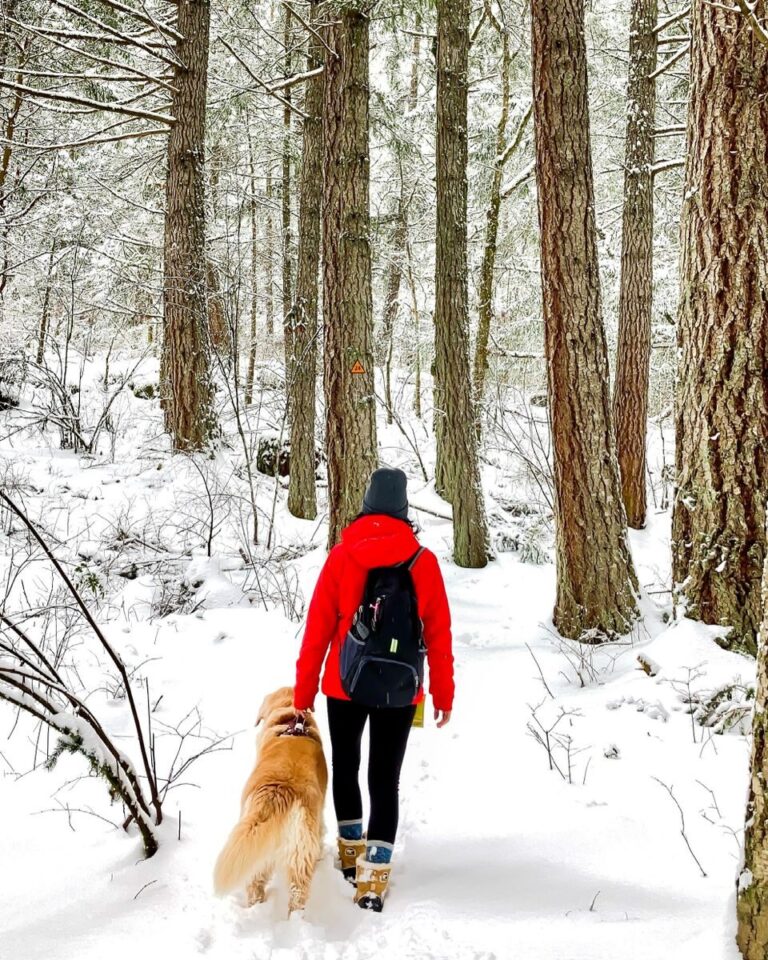
* Adapting to Winnipeg’s Seasons: In the summer, longer walks are great. In the winter, shorter but more frequent walks focusing on potty breaks might be more practical and comfortable for both you and your dog.
* Potty Breaks: Especially during Winnipeg’s colder months when dogs may be confined more often, a predictable potty schedule is crucial for house training and preventing indoor accidents.
**Sleep and Rest: The Foundation of Well-being
**
* Bedtime Consistency: Dogs flourish with knowing when it’s time to rest. A consistent bedtime routine can help them settle more easily.
* Sleep Environment: Ensure their sleeping area is quiet, dark, and comfortable.
* Daytime Rest: Allow periods during the day for quiet rest, especially if your dog is active during certain parts of the day.
**Interaction and Affection: Bonding Time
**
* Quality Time: Whether it’s cuddling, playing fetch, or simply just being present, dedicated quality time strengthens your bond.
* Socialization (Appropriate): Continue appropriate socialization with other dogs and people, following public health guidelines, especially during flu season or other health advisories.
How Routine Helps: The ‘Why’
Reduced Anxiety: Predictability helps dogs feel safe. Knowing what to expect (when to eat, when to play, when to rest) minimizes stress and prevents destructive behaviours born from boredom or anxiety.
Improved Training: Consistent reinforcement of commands and expectations makes learning easier and faster. When routines are predictable, dogs are more receptive to training.
Better Health: Regular exercise and proper meal times support physical health, reducing the risk of obesity and other diet-related issues.
Fewer Behavioural Problems: A structured day helps prevent boredom, which can lead to destructive chewing, excessive barking, or inappropriate elimination. It provides built-in opportunities for rest and mental relief.
Easier for You: A routine makes life more organized for you too. Knowing what needs to be done and when helps prevent feeling overwhelmed.
Adapting Your Routine to Winnipeg’s Seasons
Winnipeg’s climate demands flexibility:
* Winter: Shorter days, colder weather mean adjusting exercise times for safety. Focus on indoor enrichment, quality time, and indoor training during harsh weather. Ensure your dog’s shelter is safe and warm.
* Summer: Longer days offer more opportunities for outdoor activities, but be mindful of heat exhaustion. Provide shade, water, and limit intense exercise during the hottest parts of the day.
Building Your Winnipeg Dog’s Routine
Start small: Identify the most crucial elements (meals, potty breaks, walks) and establish those first. Gradually add training or mental stimulation. Observe your dog’s natural rhythms and adjust the schedule to fit their individual needs and energy levels. Flexibility is key, especially during holidays or unexpected events.
Creating and maintaining a consistent routine for your Winnipeg dog is an investment in their long-term health, happiness, and behaviour. It provides the stability they need to thrive in the unique environment of this great city. So, grab the calendar – planning is part of the fun!
Further Resources for Winnipeg Pet Owners:
* City of Winnipeg Animal Services (for reporting concerns or finding help)
* Local pet-friendly parks and businesses (check online directories)
* Winnipeg SPCA or other local shelters for adoption information
Disclaimer: This information is intended for general guidance. Always consult with your veterinarian for advice specific to your dog’s health and needs.