In this story
The Right Way to Switch Your Dog’s Food in Mississauga
As a proud Mississauga resident, you know there’s nothing quite like sharing life’s journey with a furry family member. Whether you’ve recently switched to a new kibble, decided to try a grain-free blend, or perhaps you’re exploring local Canadian brands for better quality, one thing remains certain: changing your dog’s diet requires care and attention. Abrupt changes can lead to tummy troubles and even more distress for your best friend than the new food might promise. This guide provides practical, step-by-step advice specifically for our local pet parents, helping ensure your dog’s food transition is as smooth as the Rideau River on a calm summer day.
Why You Might Be Considering a Food Change
There are numerous reasons why you might want to introduce a new dog food to your Mississauga companion. Perhaps you’re noticing dietary sensitivities, looking for better value, or simply wanting to try a different flavour profile. Maybe you’ve heard about the benefits of certain ingredients and want to explore local Canadian brands that align with these values. Whatever the motivation, any significant change in diet can impact your dog’s digestion and overall well-being. Starting with a consultation at your trusted Mississauga veterinarian is always recommended to ensure the new food is appropriate for your dog’s specific needs and health status.
The Dangers of Abrupt Change
It’s almost as if your dog can sense the chaos – and they’re usually right to be concerned. Suddenly swapping kibble can spell disaster for their digestive system. Think of it like introducing a completely new language to someone who’s only just starting to learn yours; their brain (and stomach!) gets overwhelmed. Common issues include:
- Acute gastrointestinal distress: Vomiting, diarrhea, and excessive gas are the most common culprits.
- Reduced appetite: Your dog might associate the change with feeling poorly and refuse to eat.
- Behavioral changes: Discomfort can lead to irritability or clinginess.
These issues aren’t just inconvenient; they can lead to dehydration or even more serious health complications if not addressed promptly. A careful, Mississauga-specific approach to diet change is essential for maintaining your dog’s health and happiness.
The Gradual Transition: Your Dog’s Best Friend
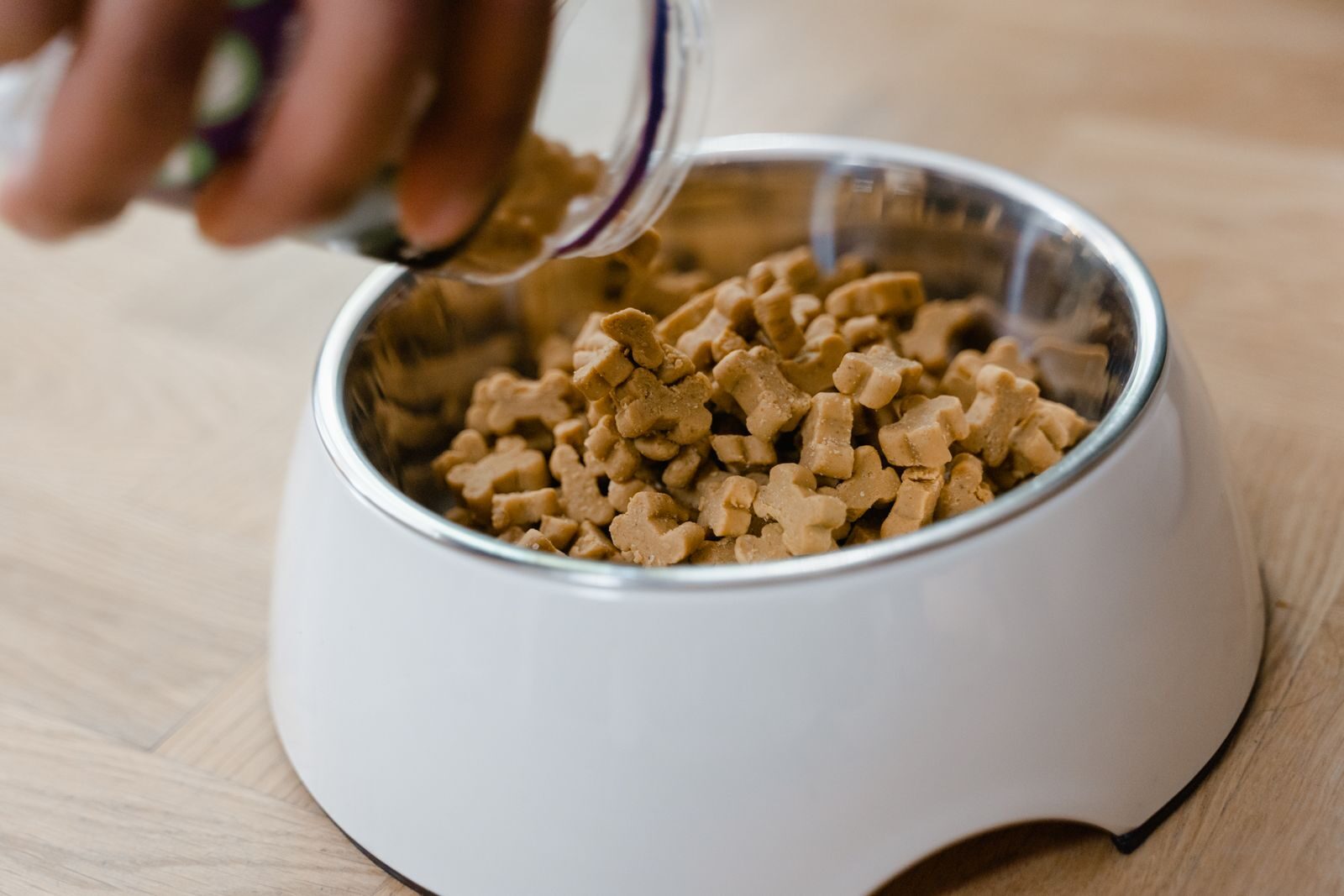
The golden rule for switching dog food in Mississauga or anywhere in Canada is slow and steady wins the race. This process, known as a food transition, allows your dog’s digestive system to adapt gradually to the new ingredients. Here’s how to do it right:
Step 1: Start Small, See the Results
Begin by thoroughly mixing 10% new food with 90% familiar food. This initial ratio is gentle on your dog’s system.
Step 2: Gradually Increase, Decrease the Old
Every few days, you’ll slowly increase the proportion of the new food while decreasing the old. A typical schedule might look like this:
- After 3-5 days: Mix 20% new with 80% old
- After another 3-5 days: Mix 30% new with 70% old
- Continue this process: Increase the new food by 10-20% every 2-4 days
- Final Step: Once fully transitioned, your dog should be comfortably eating 100% new food
Step 3: Timeframe is Everything
Patience is key. While the timeline can vary based on your dog’s individual tolerance, a full transition typically takes 7 to 14 days. Rushing this process increases the risk of digestive upset.
What to Watch For During the Transition
Close observation is your most valuable tool during this period. Keep an eye out for:
Positive Signs
- Stable or improved stool consistency
- Increased energy levels
- Improved coat condition over time
- Stable weight (you might even see slight initial weight stabilization as digestion adjusts)
Warning Signs
If you notice any of the following, slow down the transition process or consult your vet:
- Persistent vomiting or diarrhea
- Significant loss of appetite
- Excessive gas or bloating
- Lethargy or unusual lethargy
Beyond the Basics: Special Considerations
Your Dog’s Individual Needs
Every dog is unique, just like the residents of Mississauga! Factors like age, breed, activity level, and any existing health conditions (like allergies, kidney issues, or sensitive stomachs) can influence how they handle a food change. If your dog has specific dietary requirements, always follow your vet’s recommendations.
Water, Water, Water
Dehydration can be a serious concern, especially if your dog is experiencing vomiting or diarrhea during the transition. Ensure their clean water bowl is always full and easily accessible. You might even consider adding a small amount of water to the kibble if your dog seems reluctant, but check with your vet first if your dog has any specific needs.
Maintaining the Routine
While food is changing, try to keep other aspects of your dog’s routine as consistent as possible. Stick to regular feeding times, exercise schedules, and play activities. This consistency helps reduce stress during an already potentially confusing time for your dog.
Conclusion: A Healthier Future, One Meal at a Time
Switching your dog’s food doesn’t have to be a stressful ordeal. By planning carefully, proceeding gradually, and monitoring your pet closely, you can ensure a positive outcome. Taking this methodical approach is a testament to your commitment to your Mississauga dog’s well-being. Remember, the goal is a healthy, happy companion, not a temporary fix for perceived dietary issues. If you have any doubts at all about changing your dog’s food, consult your local Mississauga veterinarian for personalized advice. Your furry friend will thank you for it, and so will your wallet in the long run. Here’s to many healthy meals together in beautiful Mississauga!