In this story
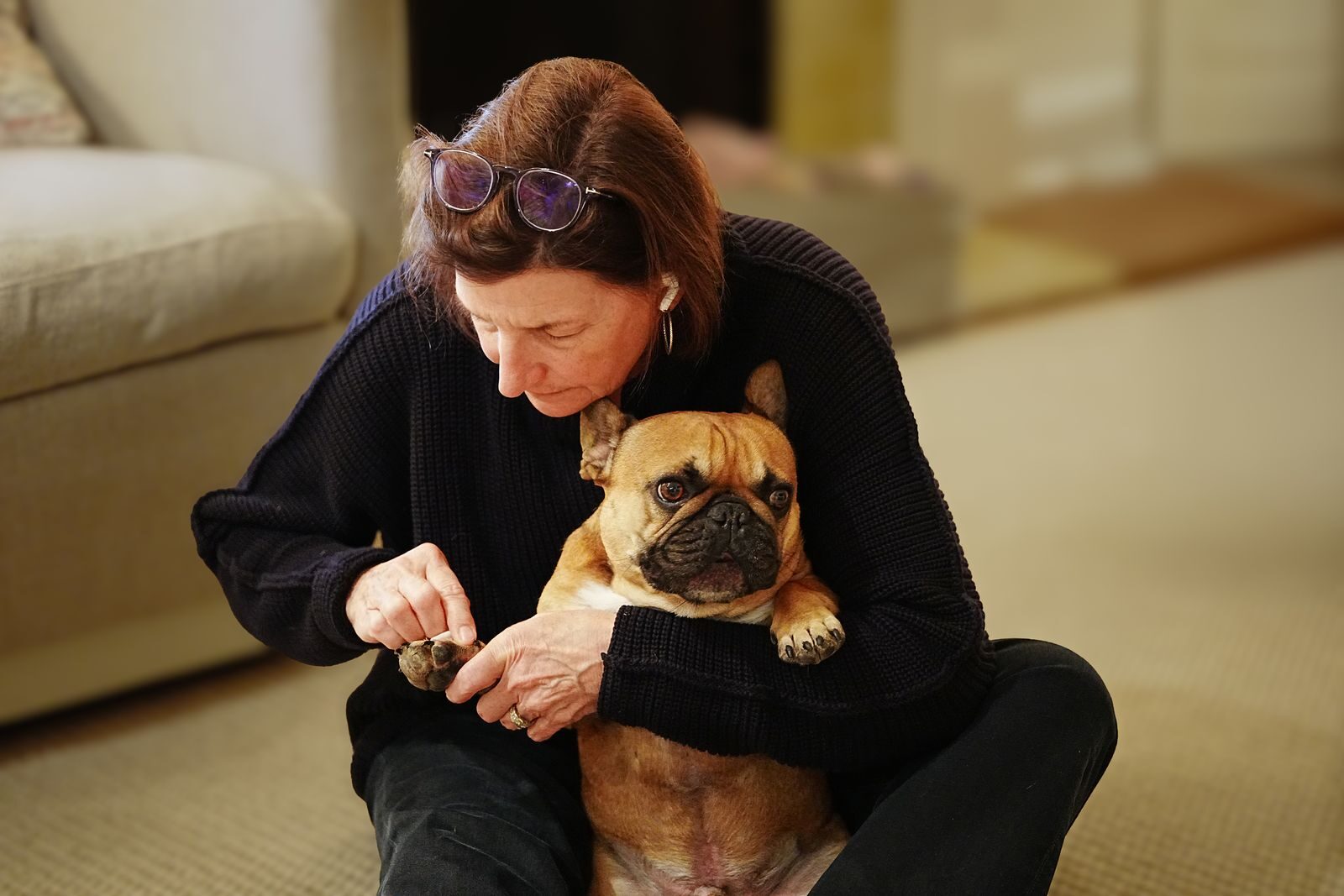
Keep Your Dog’s Paws Happy: A Guide to Trimming Nails in Mississauga
Living in Mississauga means lots of pavement, sidewalks, and indoor comfort for our four-legged friends. While this cozy indoor-outdoor lifestyle is great for us humans, it means less natural filing for your dog’s paws. Their little paws rely on Mother Nature to wear down their nail beds, but without the right conditions, those nails can get long and cause discomfort. Regular trimming is a simple yet essential part of Mississauga dog ownership, helping keep your dog comfortable and preventing potential issues.
Why Trimming Your Dog’s Nails is Important in Mississauga
Dogs don’t naturally wear down their nails like we do by walking on rough surfaces. In Mississauga’s environment, with its sidewalks, driveways, and even indoor carpeting, nails can grow long quickly. Ignoring this can lead to several problems:
- Paw Pain and Discomfort: Long nails can cause pain, especially when walking on hard surfaces or even just being around the house. They can press into the paw pad, causing discomfort.
- Difficulty Walking: Excessively long nails can curl under, causing painful pressure on the paw pad and potentially affecting your dog’s gait and posture.
- Increased Injury Risk: Long nails are more likely to get caught on rugs, carpets, furniture, or even get broken while your dog is playing or running.
- Overgrown Quick: The quick is the living part of the nail (the pink base). If the nail becomes too long, the quick can grow longer, making it harder to trim safely and increasing the risk of cutting the quick itself.
How to Tell if Your Dog’s Nails Need Trimming
You don’t need to be a vet to know if it’s time for a trim! Here are some signs to look out for:
- Clicking Sound: Do your dog’s nails click on the floor more often than you’d like? That’s a tell-tale sign they’re getting long.
- Visual Inspection: Simply look at your dog’s paws. If the nails are visibly long, or if they’re longer than the pad of their paw, it’s time for trimming.
- Difficulty Walking: Does your dog seem hesitant to walk on hard surfaces, or seems to limp slightly? Overgrown nails can cause this.
- Breaking Easily: Long nails are more prone to breaking, which can be painful for your dog.
Getting Started: Preparation is Key
Before you pick up those nail clippers, take a moment to prepare:
- Choose the Right Time: Pick a time when your dog is calm and relaxed. A tired dog is easier to handle. Maybe after a walk or play session?
- Gather Your Tools: You’ll need nail clippers (scissor type or guillotine type work well for most dogs) and ideally, a nail file or grinder for smoothing rough edges.
- Positive Reinforcement: Have some treats ready! Positive rewards make this experience less stressful for everyone involved.
- Get Help (If Needed): If your dog is very anxious or difficult, ask a patient friend or family member to help hold them still gently.
- Find a Good Light: Good lighting helps you see the quick and avoid mistakes.
- Comfortable Surface: Some dogs prefer sitting on a bed or blanket; others like standing on the floor. Find what works best for your dog.
The Tools of the Trade: What You’ll Need
While you could potentially use scissors, nail clippers are specifically designed for this task and much safer:
- Nail Clippers: Scissor clippers (like the standard “gun” style) or guillotine clippers (which close on a surface) are common. Choose one you feel comfortable with. Small Canadian brands often make reliable options.
- Nail File or Dremel-Style Grinder: A smooth file is essential for rounding the edges after clipping to prevent splitting. A Dremel-style grinder offers faster smoothing but requires more care to avoid overdoing it.
Method 1: The Scissor Clipper Method
This is probably the most common and safest method for most dogs.
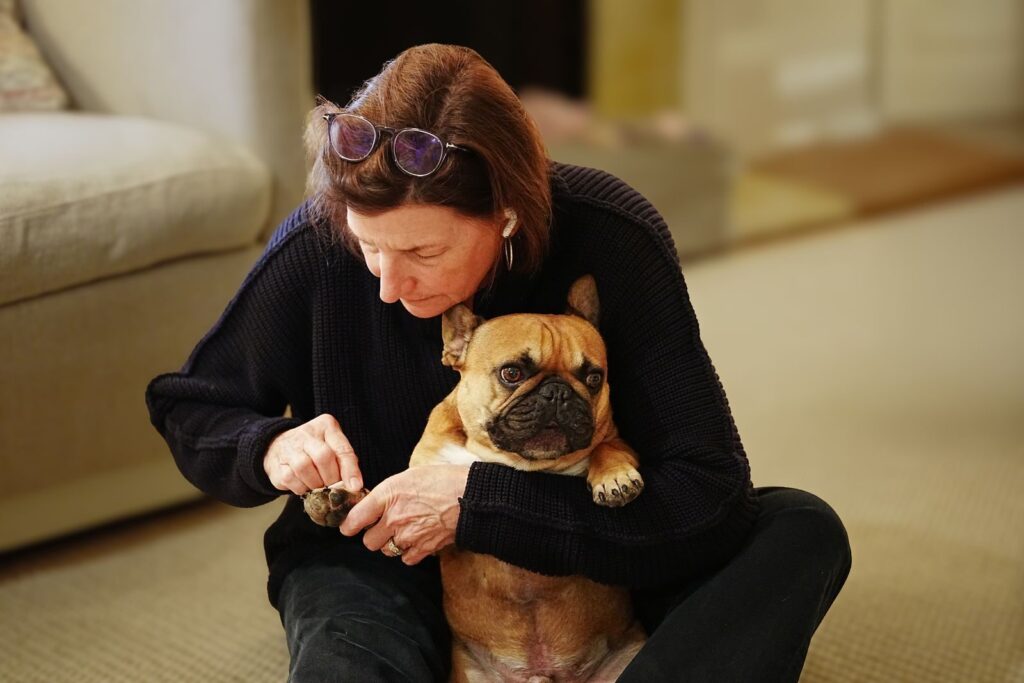
- Examine One Nail: Hold your dog’s paw gently but firmly. Look at one nail at a time. Identify the quick (the pink part) if possible. In lighter-colored nails, the quick is more visible. In darker nails, it’s harder to see, so err on the side of caution and don’t cut too close to the base.
- Clip Small Amounts: Take only a small amount off at a time. A tiny snip (about 1-2 mm from the quick) is plenty. Trying to cut too much at once increases the risk of cutting the quick.
- Check the Angle: Hold the clipper at the widest angle possible to cut as little as needed.
- Repeat: Clip one nail, reward your dog, then move to the next paw. Work slowly, allowing your dog breaks if needed.
Method 2: The Guillotine Clipper Method
Guillotine clippers (also called “gun” clippers) are popular because they offer a little more visibility of the nail tip.
- Positioning: Hold the clipper with the opening facing slightly away from your dog’s body to get a better view of the nail tip.
- Clip: Squeeze the trigger gently to cut a small amount from the very tip of the nail.
- Repeat: Clip each nail in the same manner, taking only a small amount off.
Handling Anxious or Fearful Dogs
Not all dogs are comfortable with nail trimming. If your dog is anxious:
- Go Slow: Don’t force the issue. Work on one nail at a time and reward heavily for any calm behaviour.
- Desensitize: Before touching their paws, gently touch their paws, then gradually work up to touching the nails.
- Positive Association: Always associate nail trimming with good things (treats, pets, praise).
- Professional Help: If you’re unable to trim their nails safely at home despite trying, consider finding a qualified groomer or vet in Mississ aua for regular trims. Many groomers offer nail trimming services.
What to Do After Trimming
Once all the nails are done:
- Smooth the Edges: Use a nail file or grinder to smooth down any sharp edges. This is crucial as rough edges can split and be painful. File in one direction (away from the quick) like you would with human nails.
- Reward and Praise: Let your dog know they did well. A pat and some treats go a long way.
- Check for Bleeding: If you accidentally cut the quick, stay calm. Apply styptic powder (available at pet stores) or a clean piece of gauze directly to the nail until the bleeding stops. A bit of gentle pressure helps.
Frequency: How Often Should You Trim?
It varies based on your dog’s breed, age, activity level, and the surface they walk on most often. As a general guide:
- Most Active Dogs: Walked frequently on pavement might need trimming every 2-4 weeks.
- Less Active Dogs: Primarily indoors or on soft surfaces might only need trimming every 4-6 weeks.
Keeping Your Dog Comfortable on Mississauga’s Surfaces
Regular nail trims are more than just a grooming chore; they’re an act of care for your dog navigating the Mississauga lifestyle. By keeping their nails the right length, you help prevent pain, support healthy walking on pavements and sidewalks, and ensure their overall comfort as a beloved member of your Mississauga family.
If you’re ever unsure, consulting with a professional groomer or your veterinarian in Mississauga is always a great resource for guidance on keeping your dog’s paws in perfect shape.
Related posts:
 How Often Should You Bathe Your Dog in Mississauga?
 Rainy Day Dog Essentials: Staying Cozy in Mississauga
 Gentle Paws: Understanding and Caring for Your Senior Dog in Mississauga
 How Often Should Your Dog Visit the Vet? A Mississauga Guide
 Keep Paws Coordinated: A Mississauga Guide to Safely Trimming Your Dog’s Paw Fur