In this story
Why Socialization Matters at Every Age: A Toronto Dog Owner’s Guide
As proud Toronto dog owners, we know our canine companions are more than just pets—they’re family members. But have you ever stopped to think about how crucial socialization is for our furry friends? Beyond puppyhood, when we’re constantly reminding ourselves to introduce our new puppy to as many friendly people and dogs as possible, the importance of ongoing socialization continues well into adulthood. In the bustling cityscape of Toronto, where dogs encounter diverse environments and situations daily, understanding why socialization matters at every age can transform not just your pet’s personality, but their overall well-being too.
This guide explores the significance of socialization for dogs throughout their lives, offering practical advice tailored to the Toronto context. We’ll delve into why early puppy socialization lays an essential foundation, how adult and senior dogs benefit immensely from continued positive exposure, and how navigating the unique social landscape of Toronto can enhance your dog’s quality of life. Whether you’re a new puppy parent or a long-term dog owner, understanding the lifelong benefits of proper socialization is an investment in your best friend’s happiness and your own peace of mind as you explore all that Toronto has to offer.
Beyond the Puppy Stage: Lifelong Benefits of Socialization
While the golden period for puppy socialization occurs between 3 and 14 weeks of age, this doesn’t mean the important work stops there. Think of socialization as building a resilient skill set for your dog—much like how humans continue to learn and adapt throughout their lives, dogs benefit immensely from ongoing positive experiences.
Why Early Socialization Lays the Foundation
Every dog arrives with their own unique personality, but early exposure to various stimuli helps shape their response to the world around them. During the critical socialization window, puppies are naturally more receptive to new experiences, making it the ideal time to introduce them to:
- Different people: Children, adults of all ages, people with disabilities, various clothing, and different facial expressions
- Other animals: Leash-trained dogs of different sizes, ages, and temperaments, and sometimes even cats in controlled environments
- Environments: Car rides, household sounds (vacuum cleaner, telephone), various surfaces, and different weather conditions (in appropriate seasons)
Positive exposure during these formative months helps your puppy develop confidence and learn appropriate social cues. A well-socialized puppy is less likely to develop fears or anxieties later in life, setting them up for a more relaxed and adaptable adulthood.
Adult and Senior Dogs: Never Too Old to Socialize
Many people assume that once a dog reaches adulthood, they’re fully developed and don’t need further socialization. This isn’t quite true. Adult and senior dogs can still benefit significantly from continued positive social experiences:
- Reduced anxiety: Regular, positive exposure to novel stimuli can help prevent the development of fears or phobias later in life
- Mental stimulation: Socialization is a form of mental exercise that prevents boredom and associated destructive behaviours
- Improved behaviour: Well-socialized dogs are typically calmer, better behaved, and less reactive in various situations
- Adaptability: Toronto’s dynamic environment requires dogs to handle change and unexpected situations gracefully
Even dogs that have had negative experiences early on can often make strides with careful, positive re-socialization under the guidance of a professional trainer familiar with Toronto’s specific challenges.
Navigating Toronto’s Social Landscape
Toronto offers a wealth of opportunities for dog socialization, from large public parks to neighbourhood events. Knowing how to make the most of these spaces safely and effectively is key to raising a confident companion.
Utilizing Toronto’s Parks Responsibly
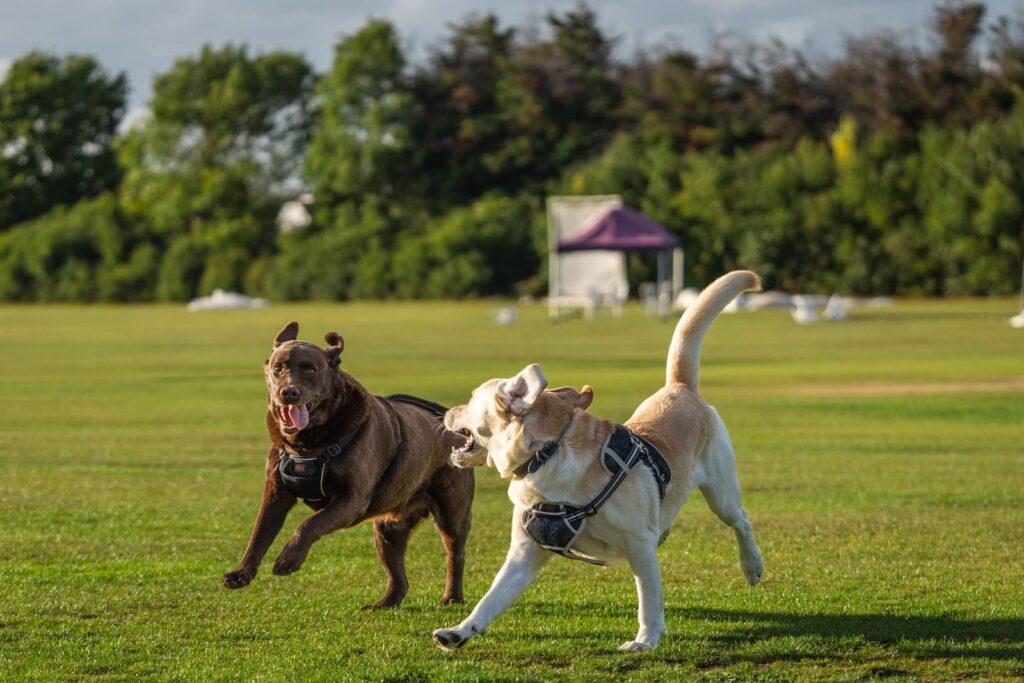
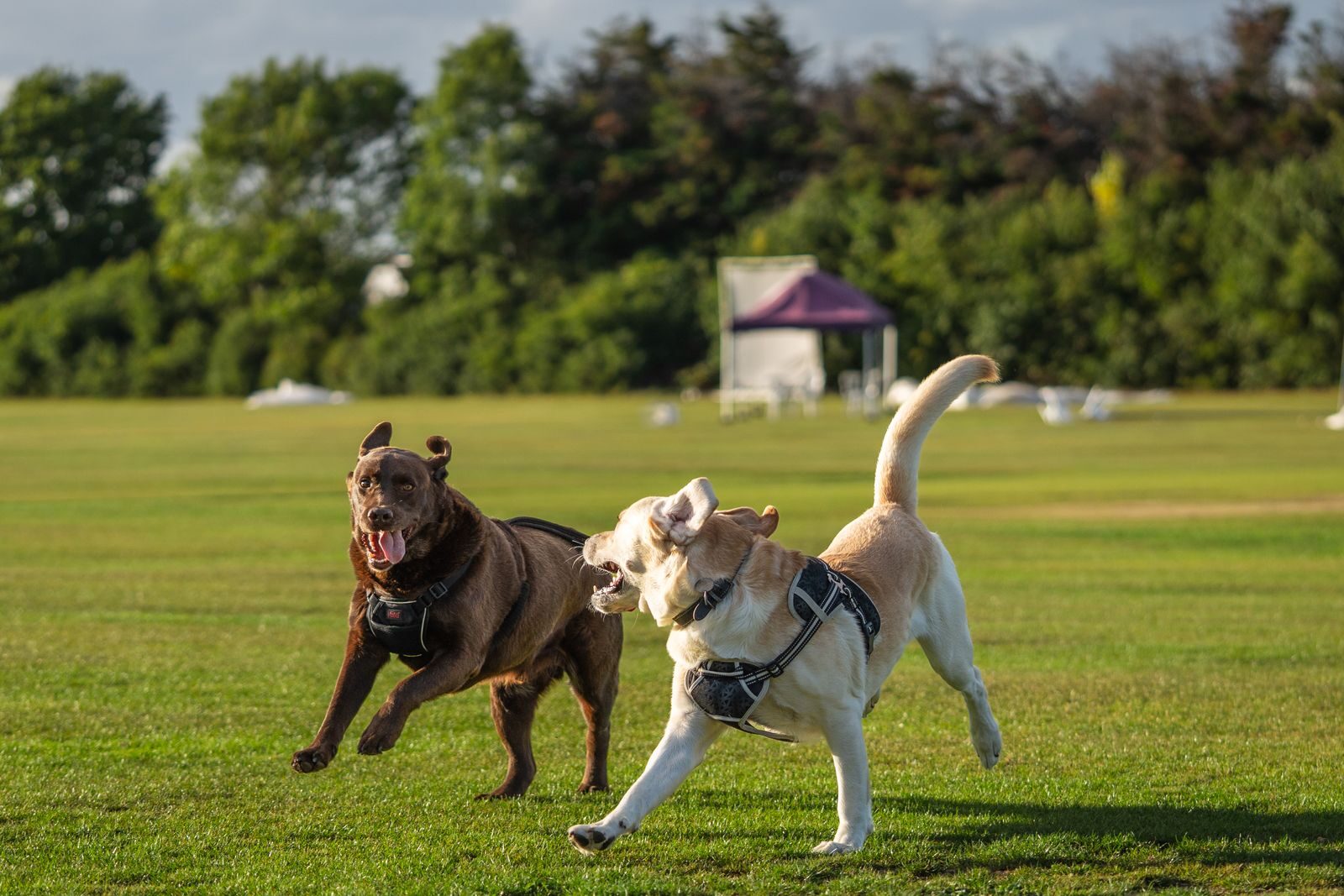
Toronto’s parks, like High Park, Tommy Thompson Park, and Kew Beach, provide excellent settings for controlled dog socialization. Remember these tips:
- Start gradually: If your dog is new to a park, spend short visits first before letting them roam freely
- Control greetings: Keep initial interactions brief and positive, perhaps using a long leash initially
- Respect boundaries: Not every dog wants to meet new friends. Observe body language and disengage if either dog seems uncomfortable
- Know your rights: Review Toronto’s leash laws and ensure you’re properly cleaning up after your dog
Beyond the Leash: Community Engagement
Toronto offers more than just parks for socialization:
- Local dog groups: Many neighbourhoods have informal meetups or use platforms like Nextdoor for organized playdates
- Dog-friendly cafes and restaurants: Establishments like The Gingerbread Bakery (check their current policies) can offer controlled human interaction
- Seasonal events: Farmers’ markets (like those in Kensington Market or Queen Street West) during warmer months offer varied environments
- Toronto Dog Beach: A great resource for water socialization during appropriate seasons
The Role of Positive Reinforcement
Regardless of your dog’s age, the cornerstone of effective socialization is always positive reinforcement. This means associating new experiences with something desirable:
- Timing is key: Reward desired calm behaviour immediately after a new experience
- Keep sessions short: Never push for more than a few minutes if your dog seems stressed
- Be consistent: Everyone in the household should use the same methods and rewards
- Patience pays off: Building confidence takes time and consistent effort
Recognizing Signs of Distress
It’s crucial to know when socialization efforts might need adjustment. Signs your dog may need a break or different approach include:
- Tail tucked tightly
- Whined or growled
- Avoiding eye contact or turning away
- Excessive yawning or licking
- Attempts to escape
If you notice these signs, calmly remove your dog from the situation and try again later with even shorter exposure.
Professional Guidance in Toronto
For personalized strategies, consulting a certified Toronto animal behaviour consultant or a positive reinforcement trainer can be incredibly beneficial. Look for professionals with credentials like CPDT-KA (Certified Professional Dog Trainer – Knowledge Assessment) or those affiliated with organizations like the Toronto Society for the Prevention of Cruelty to Animals (Toronto SPCA).
Conclusion: A City of Companions
In the diverse and vibrant city of Toronto, our dogs are part of our urban fabric. By understanding and prioritizing socialization at every age, we’re not just raising well-adjusted pets—we’re contributing to a more harmonious community for both humans and dogs alike. Whether navigating the bustling sidewalks of downtown or enjoying the green spaces of Toronto’s parks, a well-socialized dog can bring immense joy and companionship for years to come.
Further Reading for Toronto Dog Owners:
– Toronto Animal Services: Dog Ownership
– City of Toronto: Leash Laws
– Local Resources for Positive Training
Disclaimer: This guide offers general information. For specific concerns about your dog’s socialization, consult a qualified veterinarian or animal behaviour professional in Toronto.
Related posts:
 Stop Counter-Surfing in Your Toronto Home: A Practical Guide
 Why Positive Reinforcement Training Works for Dogs in Toronto
 How to Train a Reliable Recall in Toronto
 Living Harmoniously: Best Practices for Multi-Dog Households in Toronto
 Is Your Toronto Dog Bored? Signs & Solutions for Canine Contentment