In this story
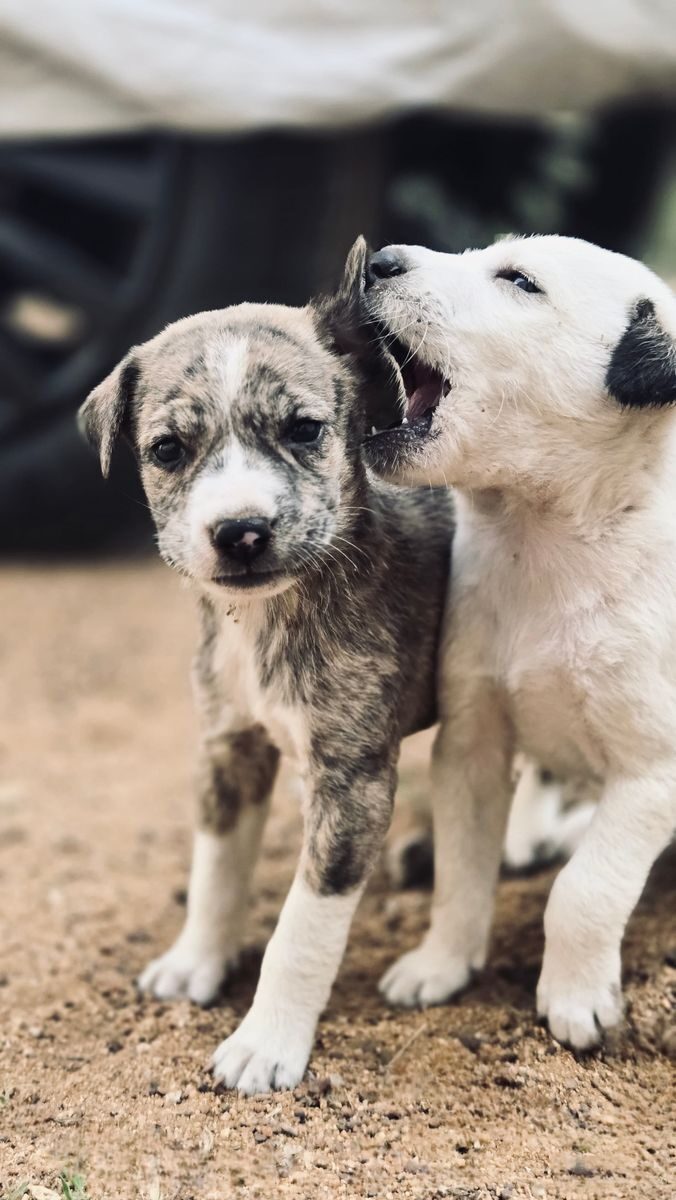
Welcoming the Second (or Third!) Canine Companion
Living in Toronto with more than one dog can be incredibly rewarding. The symphony of barks, the excitement of playdates, the shared comfort of warmth under blankets – multi-dog households bring unique joys. However, they also present distinct challenges that require thoughtful management. Whether you’re welcoming your first dog and anticipating a sibling, or already navigating life with a pack, establishing best practices is key to ensuring a harmonious and happy environment for everyone involved.
This guide offers practical advice for Toronto dog owners managing multiple canine companions, focusing on fostering positive relationships and preventing conflicts.
Understanding Your Pack: Individual Personalities Are Key
Before you bring two dogs home, it’s crucial to consider their individual temperaments and energy levels. A successful multi-dog household hinges on understanding each dog’s unique personality.
- Temperament Assessment: Observe your dogs carefully. Are they energetic and outgoing? Calm and reserved? Hesitant or dominant? Dogs with similar energy levels and temperaments often get along better initially, but personality compatibility is just the starting point.
- Energy Levels: Consider their needs. Does one dog thrive on intense play sessions while the other prefers quiet cuddles? Matching energy levels helps prevent one dog from constantly frustrating the other.
- Introducing New Companions: If adding a second dog, consider their meeting carefully. Were they puppy mills or rescue siblings? Did they develop together? A gradual, controlled introduction significantly reduces stress and potential aggression. Toronto parks like Stanley Park or High Park offer excellent, controlled environments for initial meet-and-greets with neutral territory.
Establishing Clear Rules and Consistent Leadership
In any household, humans set the rules. This becomes even more critical with multiple dogs. Clear, consistent leadership helps prevent confusion and potential resource guarding.
- Unified Commands: Ensure all adult household members use the same commands and follow the same rules. Inconsistency confuses dogs and undermines training.
- Designated Roles (Optional but Helpful): Some households find it helpful to establish roles, like ‘alpha’ or ‘omega,’ based on natural pack dynamics. However, focus should be on ensuring all dogs feel safe and respected, not on rigid hierarchy. Positive reinforcement is key.
- Supervised Freedom: Allow unsupervised time together gradually, starting with brief periods in a safe, confined space. Always supervise interactions closely initially.
- Respect Boundaries: Teach all dogs to respect personal space. This includes not jumping on people, not jumping on furniture without permission, and not guarding food or toys.
Managing Greetings and Playdates
How dogs greet and interact during play is vital for a peaceful household.
- Controlled Greetings: Teach dogs to greet calmly. Reward quiet, polite greetings (e.g., sitting politely when someone arrives) and redirect excited behaviour. A calm greeting prevents overwhelming and reduces the likelihood of rough play escalating.
- Supervised Playdates: Arrange playdates carefully. Ensure the other dog is reliable and treats well. Supervise initially, especially if the dogs have different energy levels or known sensitivities.
- Reading the Signs: Learn to read body language. Signs of stress or discomfort include tucked tail, lip licking, yawning, avoiding eye contact, or growling. If any of these occur, separate the dogs immediately.
- Appropriate Chew Toys: Provide ample chew toys and blankets. This helps dogs manage stress through appropriate chewing and prevents resource guarding during play.
Training: The Foundation of Harmony
Multi-dog households thrive on good training. Training helps establish rules and ensures all dogs are part of the same communication system.
- Basic Obedience: Ensure all dogs know basic commands like ‘sit,’ ‘stay,’ ‘come,’ and ‘leave it.’ These commands are invaluable for managing greetings, preventing chases, and ensuring safety.
- House Training: Multi-dog households require diligent house training. Ensure adequate bathroom breaks, especially after meals and naps. Use consistent crate training if needed.
- Leash Training: Proper leash training makes walks manageable with multiple dogs, preventing pulling and ensuring everyone can respond to basic commands.
- Positive Reinforcement: Use rewards and positive reinforcement consistently. Punishment or scolding can create fear and anxiety, which can negatively impact social dynamics.
- Address Issues Promptly: If a dog shows aggression, fear, or resource guarding, seek professional help immediately. A qualified Toronto dog trainer or animal behaviourist can provide tailored guidance.
Managing Resources
In a multi-dog home, resources need to be managed carefully to prevent conflicts and guarding.
- Food and Water: Provide separate, clean bowls for each dog, placed in slightly different locations if needed. Feed dogs in separate areas if possible, or at least ensure they can eat without seeing each other’s food.
- Toys and Bedding: Ensure each dog has their own set of toys, bed, or blanket. Rotate toys to keep things fresh. This reduces the likelihood of one dog monopolizing resources.
- Crate Comfort: Crates can be valuable tools for managing multi-dog households. Use them for safe, quiet time, training, or preventing destructive behaviour. Ensure each dog has their own comfortable crate.
- Designated Quiet Spaces: Create a calm, quiet space (like a basement or a spare room) where dogs can retreat if they feel overwhelmed or need some alone time.
Space Considerations
As dogs grow, their needs for space increase.
- Crate Sizing: Ensure crates are appropriately sized. A crate should be large enough for a dog to stand up, turn around, and lie down comfortably, but not so large that it becomes the dog’s entire living space.
- Play Area: Designate a specific, comfortable area for play and exercise where dogs can interact safely.
- Sleeping Arrangements: Decide on sleeping arrangements. Some dogs prefer to sleep with their human, others with their pack mate, and some prefer the floor. Accommodate needs while ensuring safety.
Safety First
Safety is paramount in any multi-dog household.
- Supervised Interactions: Always supervise interactions between dogs, especially during play or meal times.
- Secure Your Home: Ensure doors and windows are secure to prevent chasing or escaping.
- Microchip and Tags: Ensure all dogs are properly identified with up-to-date tags and microchipped.
- Vaccinations and Check-ups: Keep all dogs current on vaccinations and schedule regular vet check-ups.
- Supervise Off-Leash Play: If dogs are off-leash in a secure area (like a backyard or dog park), remain vigilant.
Building a Positive Multi-Dog Family
Success in a multi-dog household comes from patience, understanding, and consistent effort. Focus on building positive relationships through positive reinforcement training, providing adequate space and resources, and celebrating the unique joys of having a pack. Toronto’s diverse dog community offers countless opportunities for socialization, so don’t hesitate to connect with other local dog owners through parks like the Dog Beach in East Toronto or community events.
When to Seek Help
While many multi-dog households thrive, some challenges require professional intervention. If you observe persistent aggression, fear, anxiety, or significant resource guarding, consult a certified Toronto animal behaviourist or a positive reinforcement trainer. These issues require expert guidance to resolve safely.
Conclusion
Creating a harmonious multi-dog household in Toronto is achievable with the right approach. By understanding individual needs, establishing clear rules, managing resources, and prioritizing safety and positive reinforcement, you can build a loving and balanced home for all your canine companions. The journey requires patience and attention, but the rewards of a happy, peaceful pack are immense.