In this story
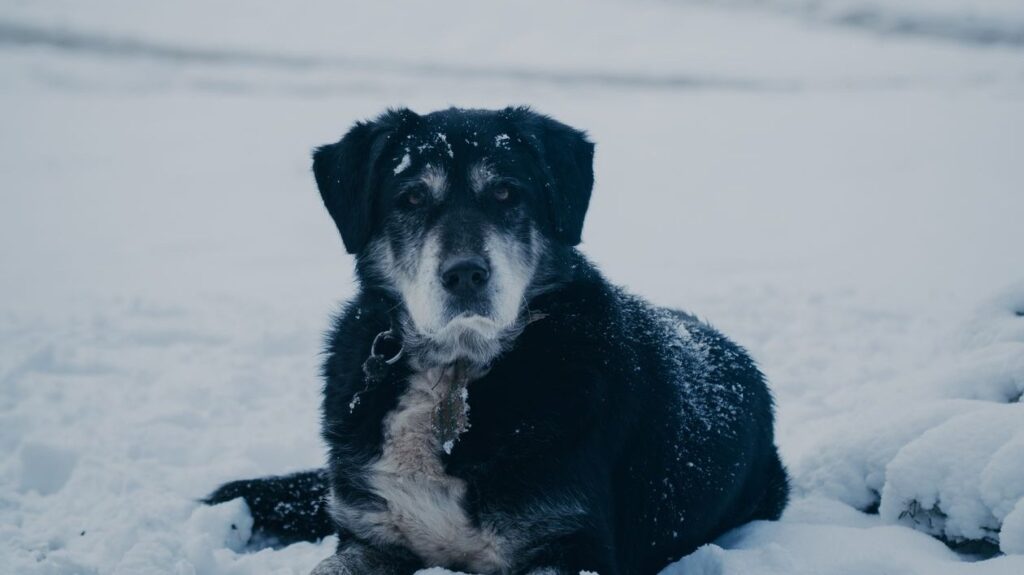
A senior dog in Laval has seen a lot of winters. The snowbanks that were once a playground are now an obstacle course, the front steps need a second look on icy mornings, and the dog who patrols Duvernay, Vimont, Fabreville or Sainte-Rose does it at half the speed she used to. Life slows down — but the routines around a dog matter more in these years, not less.
The Laval senior checklist looks like this: a city permit that is free once you turn 65, a vet who knows your dog’s long history, a plan for ice, salt and deep cold, and the 24-hour veterinary centre’s number saved in your phone before the night you need it.
The permit — free for owners over 65
Québec law requires every dog to be registered with its municipality, within 30 days of getting the dog or moving to the city. In Laval, the dog permit costs $20 a year for owners aged 18 to 64 — and it is free for owners aged 65 and over, and for assistance animals, with proof of age. If you have turned 65 since your dog was a puppy, that is a renewal worth making. You can choose a one-, two- or three-year term, apply online through the City’s Mon dossier account or in person, and the metal tag is included in the price and kept for life — at renewal you simply pay the fee and keep the same tag.
One more Laval rule matters if your senior dog is new to you: all dogs over six months old in Laval must be sterilized and microchipped, and the city asks for the supporting documents when you apply for the permit. For most seniors that was sorted years ago, but if you have adopted an older dog or just moved to Laval, expect to show proof. Households are limited to four animals in total, and no more than two of them can be dogs.
Vet care in the senior years
Senior dogs do best on a shorter checkup cycle. Many veterinarians suggest twice-yearly visits for older dogs, because small changes — a stiffening gait, a new lump, creeping weight gain or loss, cloudier eyes, sore teeth, drinking more than usual — are easier to act on when they are caught early. What is normal and what needs attention depends on your dog’s breed, size and history, so treat any general guidance as a starting point and check the specifics with your own vet. In Laval, that long relationship with one clinic pays off: nobody spots a change in your dog faster than the vet who has watched her age.
For the middle of the night, know your destination in advance: the Centre Vétérinaire Laval, at 4530 Autoroute 440, is a 24-hour emergency and referral centre, open around the clock every day of the year. Save the number — 450-781-1200 — next to your regular clinic’s. A senior dog who is unwell at midnight is no time to start searching.
Mobility in a northern winter
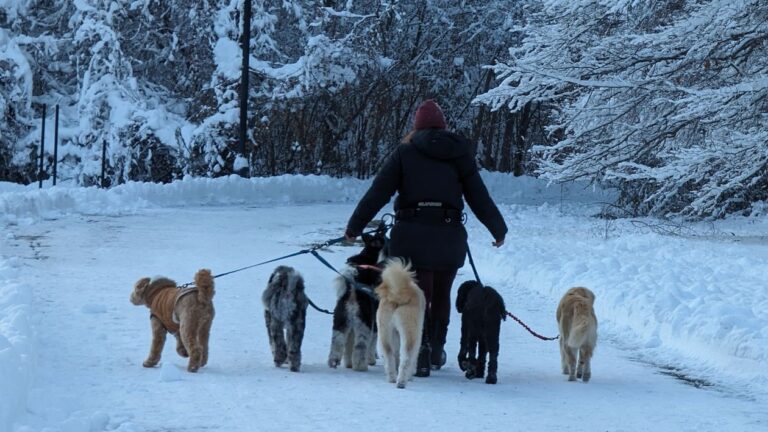
Winter is the main event in a Laval senior dog’s year. Deep cold and wind off the rivers mean short outings for an old dog, a coat for short-haired and lean seniors, and a close watch on paw pads, which ice, packed snow and road salt are all hard on — wipe paws when you come in, and consider booties if your dog tolerates them. Shovel a small patch down to the grass for nighttime outings, keep a ramp or a cleared, sanded path over icy steps, and put traction rugs inside the doors your dog uses most. Never leave an old dog outside unattended in extreme cold; seniors feel the temperature faster than they once did.
At home, the small things add up: a supportive bed on the main floor so stairs are optional, food and water within easy reach, and short, frequent walks instead of one long one. Summer flips the problem rather than removing it — Laval’s humid heat calls for shade, water and morning or evening walks for an older dog, who no longer regulates temperature the way she did at three.
Getting out around Laval
Old dogs still want an outing; they just want a calmer one. The City’s fenced dog parks (parcs canins), such as the Parc canin des Rossignols, work well at quiet times of day, when a slow dog can wander without being bowled over — keep the first visits short and let your dog choose the pace. Everywhere else in public, Laval dogs stay on a leash of no more than 1.85 metres, and dogs of 20 kilograms or more go on a harness or head halter — a harness is often kinder than a collar for an old, stiff neck in any case.
If stiffness is winning, ask your vet about rehabilitation. Vet et Nous, the network behind the Centre Vétérinaire Laval, runs a physical rehabilitation service — underwater treadmill, therapeutic laser, electrotherapy and tailored exercise programs — and its own page lists keeping aging animals mobile, and arthrosis, among the reasons to consult. Worth asking about before sore joints start deciding your dog’s days for her.
Seasonal hazards in Laval
Cold tops the list: wind chill, black ice under a dusting of snow, and sidewalks that stay slippery for weeks. Falls are a real risk for an old dog — and for the person holding the leash — so choose cleared routes and take your time. Road salt irritates pads, which is one more reason for the paw-wipe routine at the door. In summer, humidity is the hazard: an old dog in a heat wave needs shade, water and rest, and a pool stays fenced and supervised — a senior who slips in may not manage the steps to get out.
Good to know before you go
Pin the paperwork down: the permit kept current (free if you are 65 or over), the tag on the collar where it has always been, and both vet numbers — your clinic and the Centre Vétérinaire Laval — somewhere the whole household can find them. Keep the sterilization and microchip documents with your dog’s file; the city can ask for them at permit time, and the microchip is the quiet backup that brings a wandering senior home.
A Laval senior doghood runs from deep winter to humid summer and back again, at a pace that leaves more time for just being together. For more ways to get out together, explore our other Laval guides on Canada Mutts.