In this story
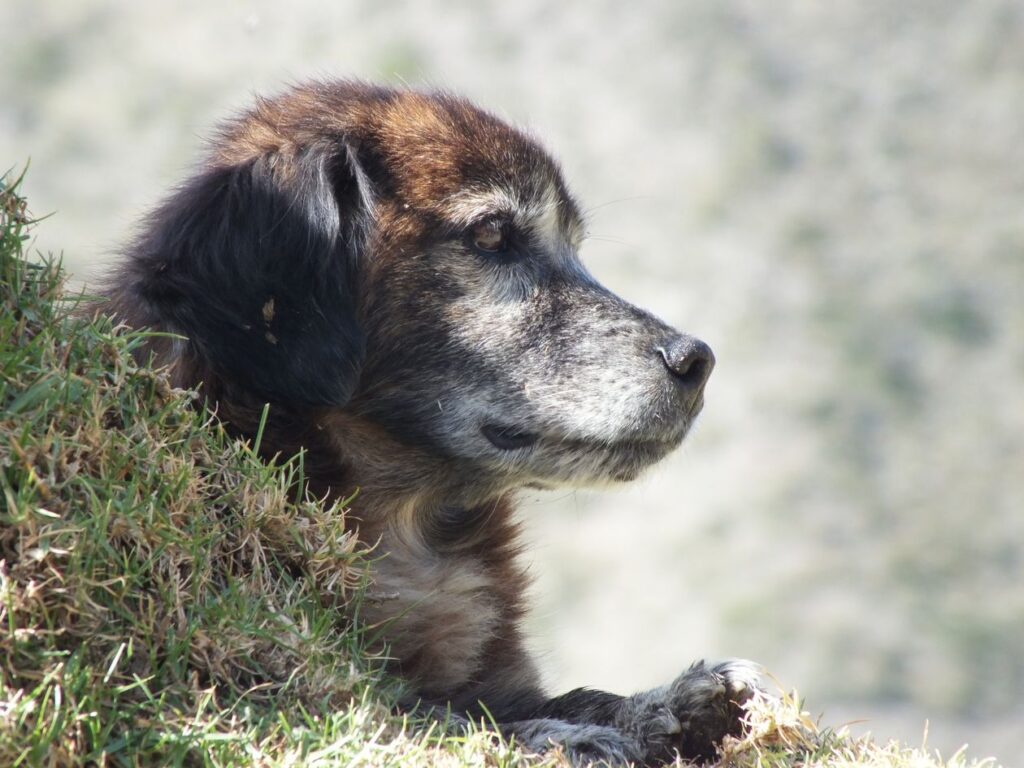
Life with a senior dog in Surrey runs at a different pace. The dog who once dragged you the length of Tynehead now prefers a slow, thorough sniff of the same greenbelt corner, and the muzzle that greets you at the door in Fleetwood, Newton or Cloverdale is a lot greyer than it used to be. The good news: a big, green, rainy city is a kind place to grow old in, as long as the routines keep up with the dog.
The Surrey version of the senior years has its own checklist: an annual licence renewal (with a discount that may now apply to you, too), a vet plan built for twice-a-year checkups, keeping stiff joints comfortable through months of rain and mud, and knowing exactly where the after-hours clinic is before the night you need it. Here is how it all fits together.
The licence, renewed for life
A licence is not just puppy paperwork — it stays with your dog for life. Under the Surrey Animal Responsibility Bylaw No. 19105, every dog over three months old in Surrey must have a current licence, with the tag worn on the collar. A licence costs $58 a year for a spayed or neutered dog and $90.50 if the dog is not — and owners aged 65 and over pay half, $29 or $45.25, with proof of age. If you have crossed 65 since you first licensed your dog, that discount is worth claiming at renewal.
Licences run from January 1 to December 31, with renewals due on February 2, and you can renew online through the City’s dog licensing page, by mail, or in person at Surrey City Hall, the Surrey Operations Centre or the Surrey Animal Resource Centre on Colebrook Road. Keep the tag on the collar: an older dog who slips out and gets turned around is counting on that tag to get home quickly.
Vet care in the senior years
Senior dogs do best on a shorter checkup cycle. Many veterinarians suggest twice-yearly visits for older dogs, because small changes — a stiffening gait, a new lump, creeping weight gain or loss, cloudier eyes, sore teeth, drinking more than usual — are easier to act on when they are caught early. What is normal and what needs attention depends on your dog’s breed, size and history, so treat any general guidance as a starting point and check the specifics with your own vet.
And know the overnight plan before you need it. Mainland Animal Emergency Clinic, at 15338 Fraser Highway in Surrey, is the city’s after-hours emergency clinic — open weekday evenings from 5 p.m. to 8 a.m., Saturdays from 4 p.m., and 24 hours on Sundays and holidays. Save the number, 604-588-4000, in your phone. Senior dogs are the ones most likely to give you a scare at 2 a.m., and that is no time to be searching.
Mobility, mud and keeping comfortable
The Surrey senior routine is mostly about managing damp. Shorter, more frequent walks beat one long march, and letting your dog set the pace — with plenty of sniffing stops — keeps joints moving without overdoing it. At home, a ramp for the car and the porch steps, runners or rugs over slippery floors, and a warm, draft-free bed away from the door all make daily life easier on old hips and elbows.
Through the rainy months, dry your dog thoroughly after every outing; damp and cold settle into stiff joints. A coat helps thin-coated and lean old dogs, and the mud station by the door — towel, paw-rinse tub — earns its keep from November to February. Check between the toes, where grit collects, and keep nails trimmed: long nails change how a dog stands, which sore joints feel.
Getting out around Surrey
Old dogs still want a social life; they just want it quieter. The City runs 18 designated off-leash areas, open from dawn to dusk — go at off-peak times, when the crowd is calmer. Clayton Dog Off-Leash Park in Cloverdale has a separate area for small dogs, which also suits frail seniors avoiding the big-dog rough and tumble, and everywhere else in Surrey parks, dogs stay on leash, which makes greenbelt and park trails a gentle on-leash option at your dog’s pace.
If stiffness is winning, ask your vet about rehabilitation. Boundary Bay Veterinary Specialty Hospital, here in Surrey, runs an animal rehabilitation service — hydrotherapy on an underwater treadmill, laser therapy, massage and tailored exercise programs — and the hospital notes that rehabilitation can help senior pets and dogs managing arthritis or hip dysplasia stay active and comfortable. It is a referral-style specialty service, so your own clinic is the place to start the conversation.
Seasonal hazards in Surrey
Rain is the year-round one, but coyotes are the serious one. Surrey’s greenbelts, ravines and creek corridors are coyote habitat, and coyotes are most active at dawn and dusk. A slow senior dog is more vulnerable than a young one: keep your dog leashed and close outside fenced areas, supervise yard time, and never leave pet food outside or feed coyotes. In summer, Surrey’s heat is gentler than the Interior’s, but old dogs overheat faster than they used to — shade, water, morning or evening walks on hot days, and never a hot parked car.
Good to know before you go
A few Surrey specifics worth pinning to the fridge. The licence renews every year by February 2, and if you are 65 or over, your senior dog’s licence is half price. Dogs must be leashed in public outside the designated off-leash areas — the bylaw sets a two-metre maximum leash length — which suits a senior’s pace just fine. And if your dog ever does go missing, the Surrey Animal Resource Centre at 17944 Colebrook Road is the city’s shelter, which is one more reason the licence tag stays on the collar.
The walks get shorter and the naps get longer, but a Surrey senior doghood is a good life — greenbelts, gentle rain and all the time in the world to sniff. For more ways to get out together, explore our other Surrey guides on Canada Mutts.