In this story
A puppy in Laval gets two childhoods. There is the summer one — grass underfoot, long evenings, maybe a backyard pool to learn about — and the winter one, when the snowbanks can stand taller than the puppy and every outing needs a plan. Across the island’s single-family neighbourhoods, from Duvernay and Vimont to Fabreville and Sainte-Rose, that rhythm shapes how a puppy grows up here.
The Laval version of the first year comes with some paperwork, too: registering your puppy with the city, a sterilization and microchip milestone at six months, and a 24-hour veterinary centre worth knowing about before you ever need it. Here is the whole checklist, in order.
Registering your puppy with the city
Québec law requires every dog to be registered with its municipality. The provincial rule is to register within 30 days of getting your dog, or of your dog reaching three months of age, and to pay the annual registration fee your municipality sets. In Laval, the dog permit costs $20 a year — free for owners aged 65 and over and for assistance animals — and the tag is worn on the dog’s collar. You can apply online through the City’s Mon dossier account or in person at the municipal service counter, and the permit is renewed every year.
Two more Laval rules to know from the start. Households are limited to four animals in total, and no more than two of them can be dogs. And there is a six-month milestone: dogs over six months old in Laval must be sterilized and microchipped, with the supporting documents provided when you register — so book those vet appointments in the early months rather than letting the deadline sneak up on you.
The first vet visit — and the overnight option
Book a first checkup within the first week or so of your puppy coming home, and bring the vaccination and health records from the breeder, rescue or previous owner. Puppies typically receive a series of core vaccinations across their first months, with boosters a few weeks apart, along with deworming — but the right schedule depends on your puppy’s age and history, so use any general timeline only as a starting point and check the specifics with your own vet. That first relationship matters doubly in Laval, because your clinic is also where the six-month sterilization and microchip appointments will happen.
For the middle of the night, know your destination in advance: the Centre Vétérinaire Laval, at 4530 Autoroute 440, is a 24-hour emergency and referral centre, open around the clock every day of the year. Save the number — 450-781-1200 — in your phone next to your regular clinic’s. A puppy that has swallowed a sock at midnight is no time to start searching.
The first weeks at home
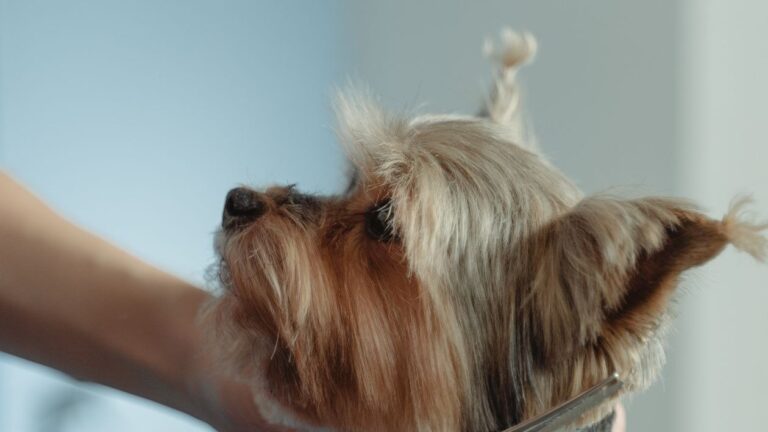
The early routine is the same everywhere, and it works: outside for a toilet break after every nap, meal, drink and play session; a crate or pen that becomes the puppy’s own cosy sleep spot; short, upbeat training sessions woven through the day; and a great deal of sleep — young puppies need most of the day for naps, and an overtired puppy chews and nips like a tiny land shark. Puppy-proof one room thoroughly instead of the whole house halfway, and start gentle handling early — paws, ears, mouth — because it makes vet visits, nail trims and winter paw-wiping much easier later.
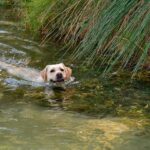
If your Laval home has a pool, set the rule from day one: the pool area is off-limits unless you are right there, and the fence stays closed. Puppies explore everything at nose level, and a pool is the one discovery you never want a puppy to make alone.
Socialization around Laval
A puppy’s early socialization window — roughly the first three to four months — is when new people, sounds, surfaces and experiences get filed away as normal. Work it gently: watch the world together from your arms or your yard, arrange meetings with calm, vaccinated dogs you know, and let your puppy get used to handling, doorbells, snow blowers and city noise. Until your vet says the vaccination series is far enough along, hold off on busy dog areas and let the world come to your puppy instead.
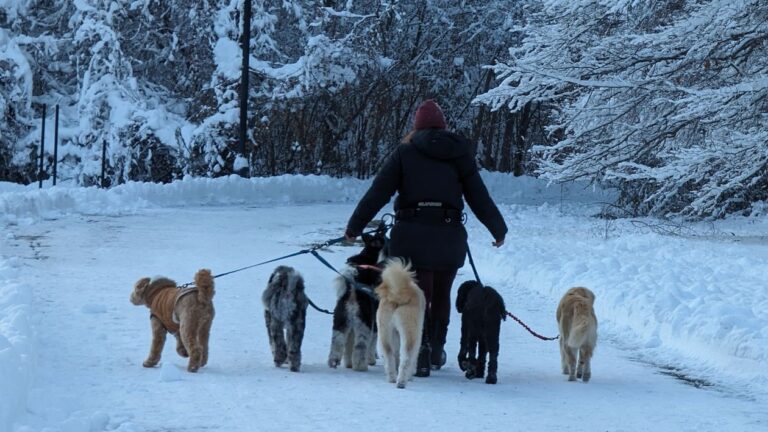
A puppy class gives that process structure. Dog Inspired runs in-person group classes in Laval, including a Puppy Class and a puppy program for dogs under a year old that works through crate and house training, socialization, handling and manners — ask about current session dates. Later, once vaccinations are complete, the City’s fenced dog parks (parcs canins), such as the Parc canin des Rossignols, are the place for a first off-leash run; start at a quiet time of day and keep the first visits short. Everywhere else in public, Laval dogs stay on a leash of no more than 1.85 metres — and once your puppy grows past 20 kilograms, on a harness or head halter.
Seasonal hazards in Laval
Winter is the big one. Deep cold and wind off the rivers mean short outings for a young puppy, a coat for short-haired breeds, and a close watch on paw pads, which ice, packed snow and road salt are all hard on — wipe paws when you come in, and never leave a puppy outside unattended in extreme cold. Summer flips the problem: Laval’s humid heat calls for shade, water and morning or evening walks, and pool safety becomes the standing rule — a puppy that falls in cannot always find the steps, so the pool stays fenced and supervised, every single time.
Good to know before you go
Pin the deadlines down early: registration with the city within 30 days, the $20 annual permit kept current, sterilization and microchip done by six months, and no more than two dogs in the household. Keep your puppy’s tag on its collar — it is the quickest route home if a gate ever gets left open — and keep both vet numbers, your clinic and the Centre Vétérinaire Laval, somewhere the whole household can find them.
A Laval puppyhood runs from first grass to first snowbank, and it goes fast. For more ways to get out together, explore our other Laval guides on Canada Mutts.