In this story
Bringing home a puppy in Halifax means equal parts joy and logistics. Somewhere between the first chewed slipper and the first trip to the vet, there is paperwork to file, a clinic to choose, and a small dog learning that Atlantic Canada weather does not care about your housetraining schedule.
This guide walks through the Halifax version of puppyhood in order: the licence, the first vet visit and the after-hours plan, the first weeks at home, where to socialize a young puppy around the municipality, and the seasonal stuff — nor’easters, snow and cold ocean water — that shapes a puppy’s first year here.

Start with the licence
Halifax puppies get a short grace period. Under By-Law A-700, a dog six months of age or younger does not need a licence yet — the city’s licence application says so right on the form. Once your puppy passes six months, the clock starts: owners are required to apply for a licence within 20 days of obtaining their pet, and the tag must be worn at all times.
Fees are refreshingly East Coast. An annual licence costs $15 for a spayed or neutered dog and $50 for an unaltered one, with seniors paying half. A lifetime licence — $75 spayed or neutered, $200 unaltered — requires a microchip, which pairs naturally with the microchip appointment many owners book anyway. Annual licences run for one year from the date of purchase. Apply at an HRM Customer Service Centre, at select veterinary clinics, or by mail; details are at halifax.ca/animalservices, or call 311.
The first vet visit — and the 2 a.m. plan
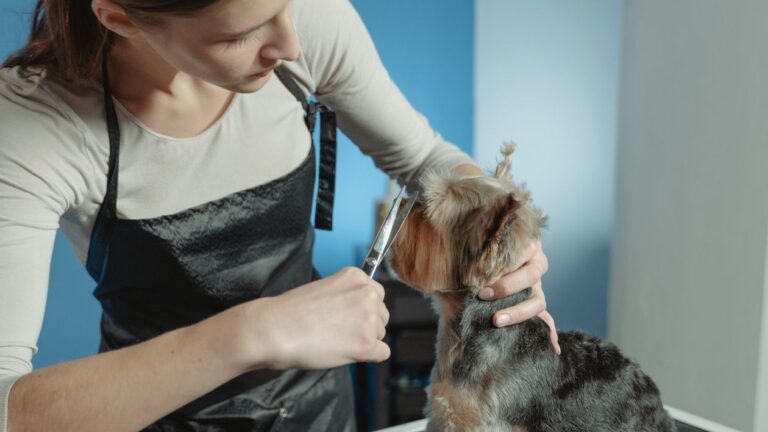
Book a first check-up within the first week or so of your puppy coming home, even if they arrive with paperwork from the breeder or rescue. That visit sets up the vaccination schedule — puppies receive their core vaccines as a series of boosters spread across their first few months, with rabies added when they are old enough — plus deworming, a microchip if you want one, and a plan for spaying or neutering. Schedules vary by puppy, so treat this as the outline and check with your vet for the specifics of yours.
Before you need it, save the after-hours plan in your phone. Metro Animal Emergency Clinic, at 201 Brownlow Avenue in Dartmouth’s Burnside Industrial Park, is the region’s after-hours emergency clinic — program 902-468-0674 in now. Halifax also has Coastal Care Veterinary Emergency & Referral Hospital on Hobsons Lake Drive, which provides 24/7 emergency and critical care. Call ahead on your way in so the team can be ready for you.
The first weeks at home
Puppies run on a simple loop: sleep, wake, pee, eat, play, chew something forbidden, sleep again. The first weeks go best with a routine — meals at the same times, a crate or pen set up as the puppy’s bedroom, and a housetraining spot you can reach fast, because a Halifax puppy will need it in the rain, in the dark, and at least once in the middle of a storm. Keep a towel and your own rain gear by the door; you will use both more than any puppy gadget.
Expect broken sleep for a while and a near-constant supervision job. Puppy-proof one room properly — cords up, shoes away, baby gate on — rather than half-proofing the whole house. And set the bed up where you actually want the puppy to sleep: the Samoyed in the GIF above has already moved into its own, and yours will have firm opinions about real estate from day one.
Socialization around Halifax
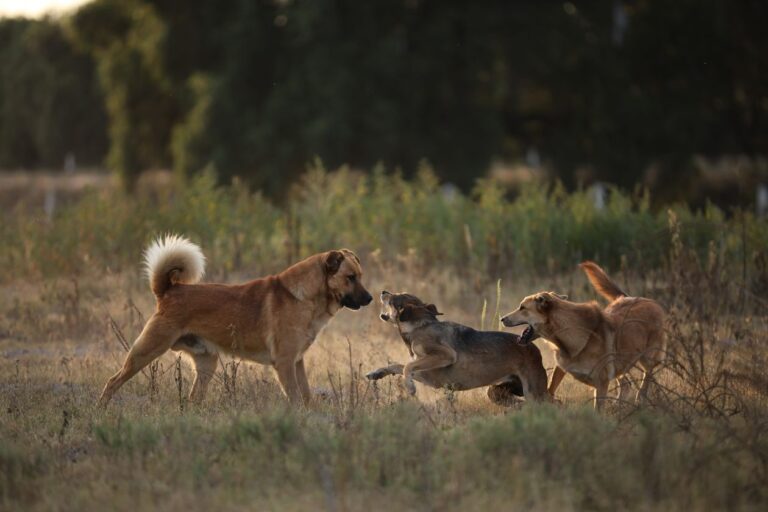
The first three to four months are the socialization window, when puppies absorb new sights, sounds, surfaces and dogs most easily — so use the city. Before their vaccinations are complete, carry your puppy through new environments and let them watch the world from your arms or a quiet bench: the Halifax waterfront, a farmers’ market crowd, traffic on Spring Garden Road.
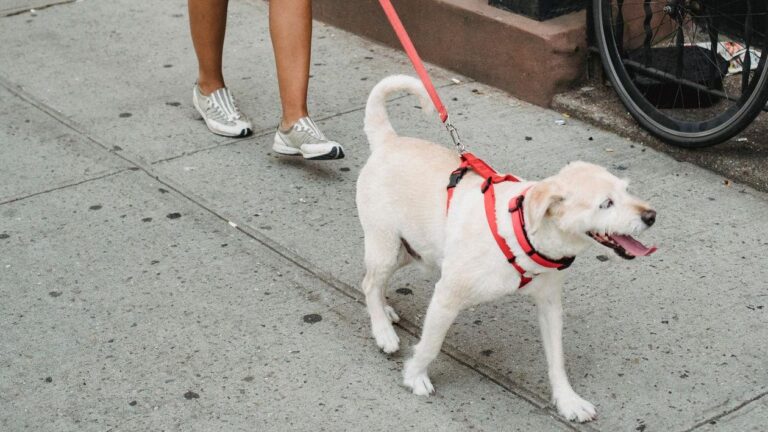
For puppy-on-puppy time, Jollytails runs drop-in Puppy Socials designed to help young puppies build confidence through positive experiences, alongside puppy training classes, at its locations across Halifax, Dartmouth and Bayers Lake. On-leash walks at Point Pleasant Park and along the trails at Shubie Park in Dartmouth are gentle next steps — off your property, dogs must be on a leash no longer than three metres. Save the first real off-leash run for the fully fenced dog park at Mainland Common, which has separate areas, and only once your vet says your puppy is ready for dog-park company.
Raising a puppy in Atlantic weather
Halifax averages about 215 cm of snow a year with a January daily mean of −5.7°C, and winter arrives with nor’easters that can knock out power and bury a small puppy’s bathroom spot overnight. Keep outings short for young puppies in deep cold, shovel a small patch down to the grass, wipe salty paws at the door, and keep a few days of puppy food and any medication in the house ahead of storm season.
The ocean is the other year-round caution. The Atlantic stays cold even in August, and puppies are poor judges of waves, currents and slippery rocks — keep yours leashed around the harbour and at the beach until their recall is genuinely reliable, and rinse off the salt water after a paddle. Around the municipality’s woods and suburbs, coyotes are a known presence, so a puppy stays supervised outdoors, especially after dark. And ask your vet about tick prevention: Nova Scotia has a long tick season, and the right product and timing is a conversation for your clinic.
Good to know before you go
A few Halifax specifics are worth pinning down early. Your puppy’s licence clock starts at six months of age, and an annual licence renews one year from purchase — not on a fixed calendar date — so set your own reminder. Off-leash time is for designated areas only; everywhere else, the three-metre leash rule applies. In winter, municipal sports fields double as off-leash space from November 1 to May 1, which gives cabin-fever puppies extra room in the snow months. And if your puppy turns out to be an escape artist, the microchip plus lifetime licence is the cheapest insurance pairing in the city.
Get the paperwork done, find your vet, and the rest of a Halifax puppyhood is mostly beaches, trails and snow days. Explore our other Halifax guides on Canada Mutts — dog parks, trails, beaches and restaurants — for where to take yours next.