In this story
Winnipeg’s Paw Predicament
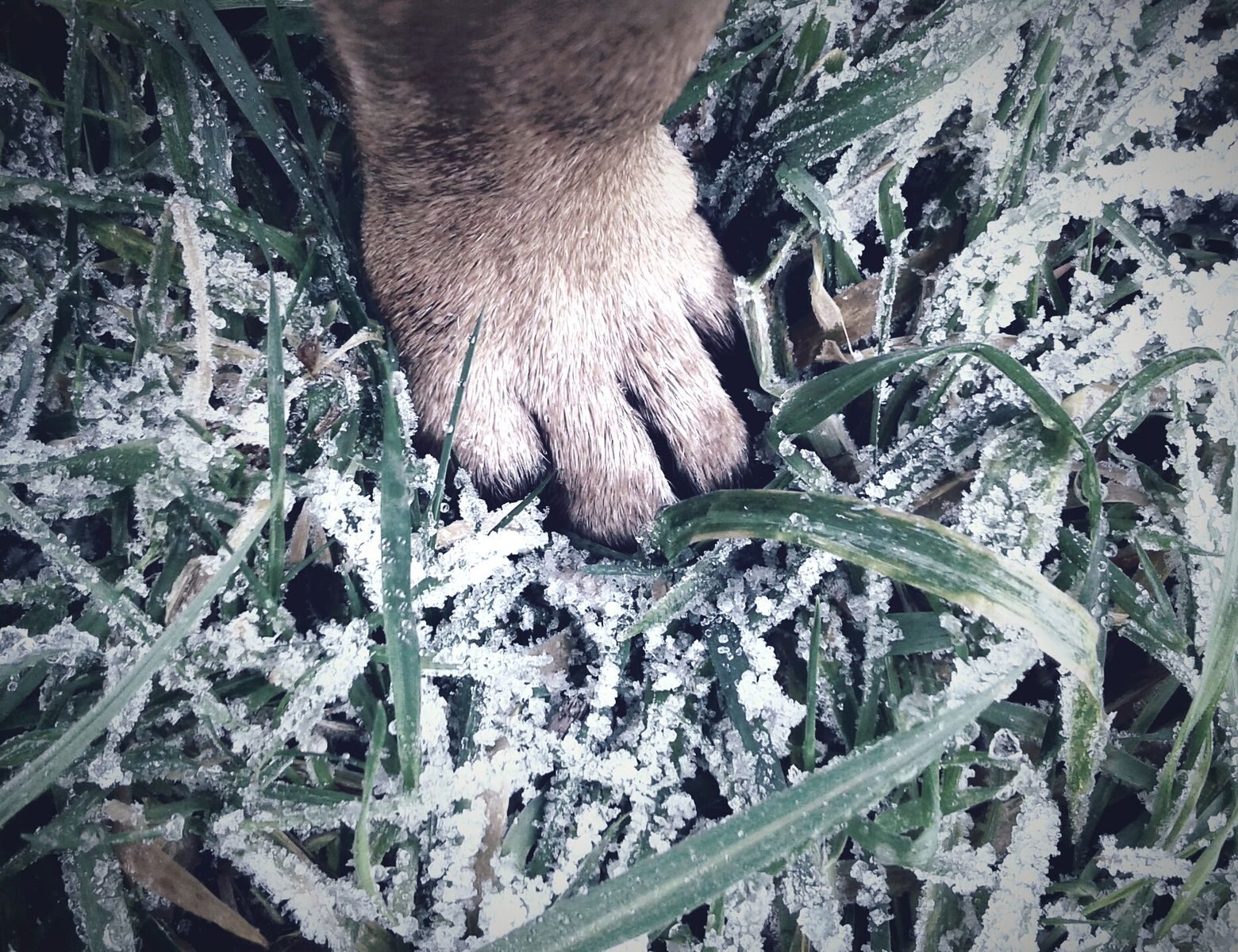
As a proud Winnipegger, you know our winters are long and snowy. While our dogs love us just as much in the dead of winter, that fluffy fur on their paws can become a liability. Snowballs, ice build-up, and even small cuts from hidden debris under the snow can all be prevented with proper paw care. Regular trimming isn’t just about aesthetics; it’s about ensuring your best friend stays comfortable and safe throughout the seasons.
Why Trimming Paws is Essential in Winnipeg
Winnipeg’s climate presents unique challenges for our four-legged companions:
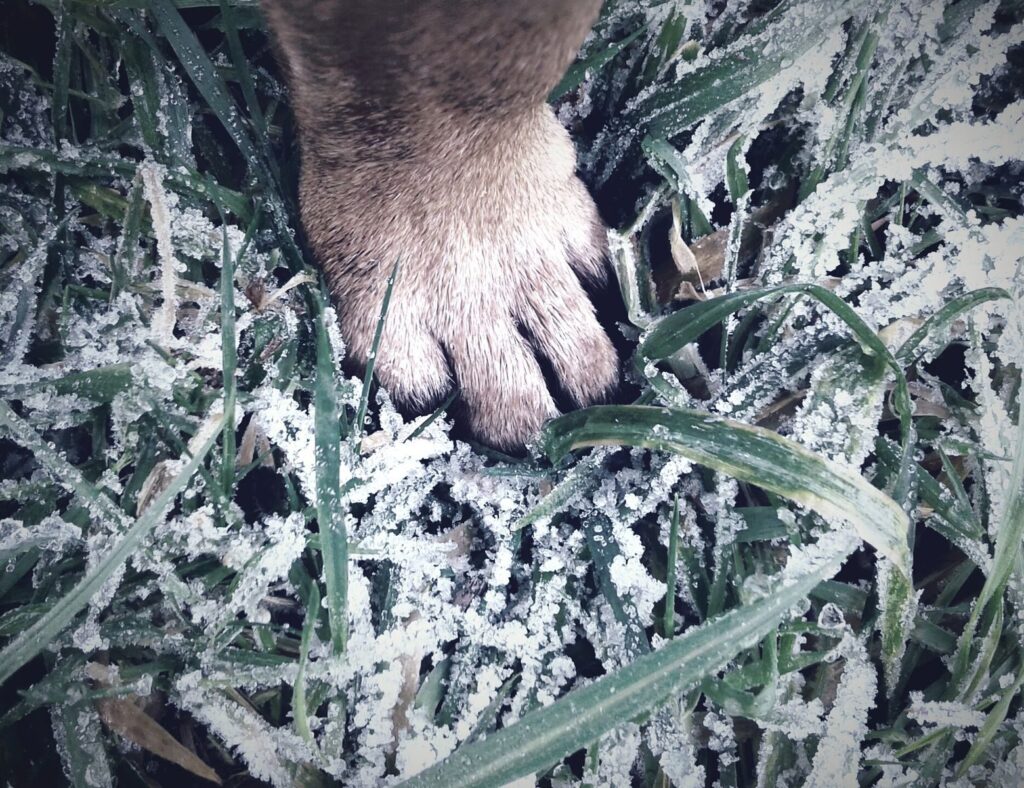
- Snowball Build-up: The fluffy fur on paws easily traps snow, making walking uncomfortable and potentially causing slips on icy surfaces. A quick trim keeps the snow off and paws bare for better grip.
- Ice and Salt Build-up: Road salt and de-icing chemicals can accumulate under the fur, causing irritation or even chemical exposure if not removed.
- Increased Comfort: Less fur means less weight and better temperature regulation. Overgrown paws can overheat in warmer months (yes, Winnipeg has that too!) or become too cold in winter.
- Reduced Injury Risk: Snow and ice hiding cracks, glass shards, or other hazards is less likely to be trapped under well-trimmed fur.
- Early Detection: Regularly checking and trimming paws allows you to spot cuts, redness, or foreign objects sooner.
Safety First: Before You Pick Up the Scissors
Before you dive into trimming, ensure you’re doing it safely:
Gather Your Tools
You don’t need a fancy salon; a few simple items will do:
- Gentle Clippers: A pair of scissors or clippers designed for pet grooming (avoid regular human scissors which can be too sharp or dull). Look for small, blunt-tipped scissors often found at small Canadian pet supply stores.
- Emery Board or Paw Wax: For smoothing rough, split pads (digital felons), not for trimming fur.
- Pet-Safe Ear Cleaner or Wet Wipes: For cleaning debris from paw pads.
- Treats: Always have rewards ready!
- Optional: Hemostat Tweezers: To gently remove small ice or debris.
Creating a Good Environment
Choose a time when your dog is calm and relaxed. A tired dog is easier to handle. Ensure good lighting so you can see what you’re doing.
Safety Protocols
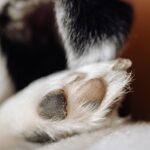
- Never Cut Too Close: Aim for the “trailing edge” of the paw pad (the edge furthest from the toes). You want to remove the fluffy, snow-trapping fur, not the sensitive pad itself. There should always be a small border of fur around the pad.
- Work on One Paw at a Time: Keep sessions short and positive.
- Be Gentle: Paws are sensitive. If your dog pulls back, stop and try again later.
- Know Your Dog: Some dogs tolerate this easily, others may need more patience. Build up to full trimming gradually.
- No Googly Eyes: Seriously. Don’t try this with wide-eyed, nervous dogs during blizzards. Choose a calm time.
Step-by-Step Paw Trimming Guide
- Introduction: Sit on the floor or a soft surface, with your dog relaxed in front of you. This makes it easier for them to stay still.
- Clean the Paws: Use a pet-safe cleaner or wet wipes to remove any visible dirt, mud, or debris from the paw pads and between the toes.
- Inspect: Carefully examine each paw pad and between each toe. Look for cuts, redness, embedded debris, or signs of infection. Address any issues before trimming.
- Trim the Fur: Hold the paw pad gently but firmly. Use small, smooth, upward strokes with your scissors or clippers, following the natural curve of the pad. Focus on the top part of the pad fur (the trailing edge). You want to remove the fluffy, long hairs that stick out.
- Scissors Method: Make short, gentle snips. Cut only what’s necessary. Trim one small section at a time.
- Clippers Method: Use clippers with a guard. Adjust the guard to the desired length, typically leaving about 1/4 inch to 1/2 inch of fur (similar to a human’s neckline). Again, work in small sections, following the pad’s shape.
- Check Between Toes: Pay extra attention to the webbing between the toes (digital glands). Trim any long, fluffy fur here too, but be extra careful as this area can sometimes hold debris.
- Trim the Toes Themselves: The fur on top of the toes (the actual toe hair) doesn’t usually need much trimming unless it’s excessively long or matting. A light trim can help prevent snowballs, but be cautious not to cut the quick (the blood supply in the pad).
- Reward: After finishing one paw, give a generous treat and praise. Repeat for each paw.
- Final Check: Inspect all paws again to ensure you’ve trimmed evenly and safely.
Post-Trimming Care
- Inspect Again: After trimming, check paws again to ensure you haven’t cut too close.
- Apply Paw Balm (Optional): Applying a small amount of paw balm (available at many Canadian pet stores) can help protect pads from the harsh elements.
- Keep Walks Short Initially: After a full trim, keep initial walks short until your dog gets used to having less fur. They might feel exposed.
- Monitor: Keep an eye on your dog’s paws for any signs of irritation or injury after trimming.
When to Seek Professional Help
While trimming at home can be a valuable skill, there are times when you should leave it to the pros:
- Aggressive Dog: If your dog is extremely resistant and you can’t safely trim them.
- Severe Matting or Overgrown Fur: If the fur is excessively matted or overgrown, professional grooming may be needed.
- Significant Cuts or Injuries: If you find a deep cut or embedded object, see a vet.
- Uncertainty: If you’re unsure about anything – the anatomy, the technique, or your dog’s reaction – it’s perfectly okay to consult a groomer or vet.
Final Thoughts on Winnipeg Paw Care
Taking just a few minutes each week to look at and gently clean your dog’s paws can make a big difference in their comfort and safety throughout the year, especially during our long Winnipeg winters. With patience, the right tools, and a calm approach, you can master this simple yet crucial aspect of dog care right here in Manitoba. Remember, a little trimming goes a long way in keeping your best friend happy and healthy!