In this story
Welcome to a Better Walk: Loose-Leash Walking Basics
Ah, Hamilton! Whether you’re enjoying the vibrant energy of downtown, the peaceful trails of Flaherty Park, or the historic charm of Queen’s Terminal, having a well-behaved dog is part of the fun. But let’s be honest, pulling on the leash happens. It’s a common challenge for many dog owners across Hamilton. Thankfully, learning how to teach loose-leash walking is one of the most valuable skills you can develop for both you and your furry companion.
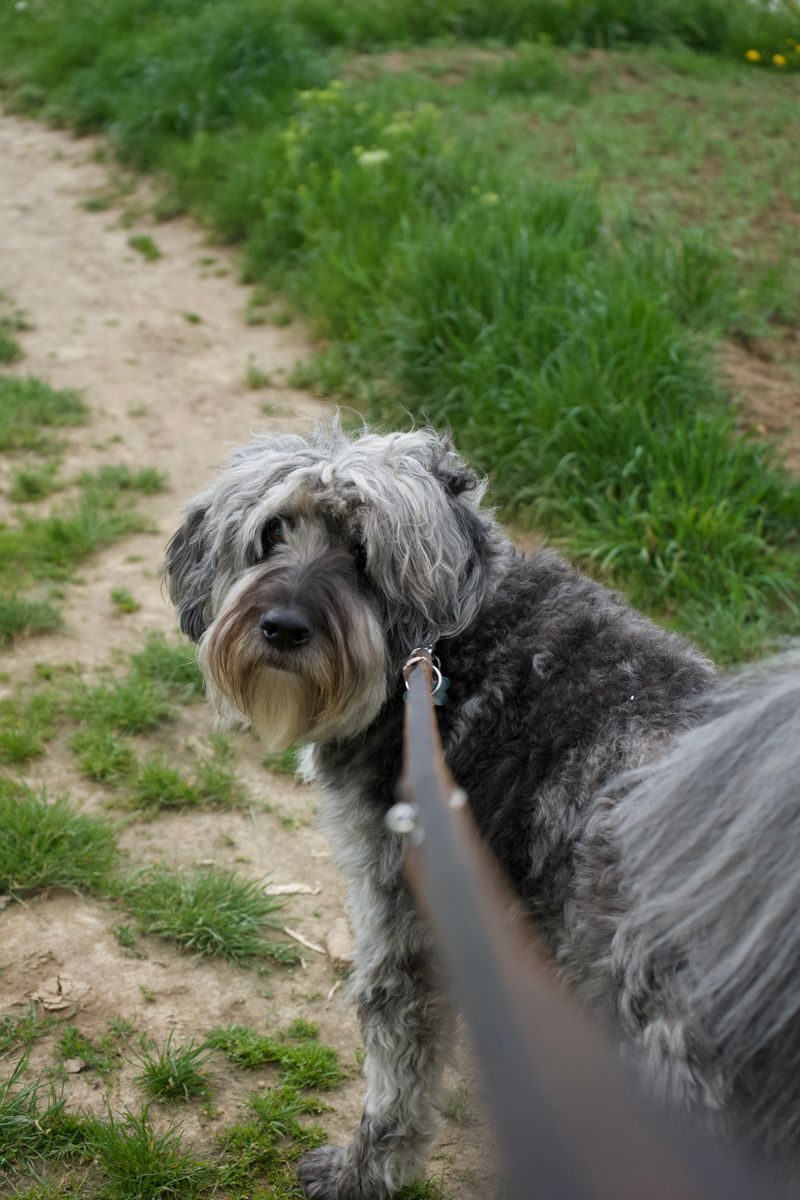
Loose-leash walking isn’t just about having a slack leash; it’s about communication. It means your dog understands that leash tension is their cue to slow down, stop, or focus on you, not the distractions around them. This makes walks safer, more enjoyable, and less of a battle. Plus, it often leads to better recall and overall responsiveness, because your dog learns to trust your guidance.
The good news? Loose-leash walking is a skill that can be taught to almost any dog, regardless of breed or background, with patience and the right approach. It’s all about building a partnership.
Why Go the Extra Mile?
Before diving into the how-to, let’s consider the ‘why’:
- Safety First: A slack leash gives you better control in potentially dangerous situations – a sudden car horn, a loose fence, or an unexpected jogger. You can react more effectively without your dog reeling you in.
- Reduced Stress: Fewer tugs mean less physical strain on your arms and shoulders, and less anxiety-inducing tension for your dog. Imagine strolling through the Art Gallery of Hamilton or along the Hamilton Harbour waterfront without the constant struggle!
- Better Recall: If your dog learns to walk politely beside you, they’re more likely to stay close and respond reliably when you call them.
- Environmental Awareness: A relaxed dog is more likely to notice and respond appropriately to cues in their environment, like other dogs or wildlife, especially during a visit to a place like the Salmon Festival.
- Enjoy the Journey: Honestly, walks should be a joy, not a chore. A well-trained dog makes exploring Hamilton’s parks, like the Grand River pathway, a much more rewarding experience for both of you.
Getting Started: The Foundation
Ready to begin? Here’s a practical, step-by-step guide.
1. The Right Gear (Keep it Simple)
While specific equipment can help, the core principle is about your timing and your responsiveness. Start with what you likely have:
- Your Leash: A 5-6 foot leash is usually best for training. It provides enough room for your dog to explore while keeping you in control.
- Your Dog’s Harness or Collar: Ensure it fits properly and is comfortable. A harness often offers better control and comfort for pulling dogs.
Pro-Tip Hamilton: Many local pet stores in Hamilton, like PetSmart or Pets Emporium, offer classes or consultations. You might even find small Canadian brands like K9 Mutts or Tails of Hamilton selling simple, effective training tools.
2. Master the ‘No Pull’ Moment
This is the cornerstone of loose leash walking:
- Start Indoors: This builds confidence before heading outdoors.
- Attach the leash. Let your dog drag it around briefly to release any initial excitement.
- Begin Walking: Start moving. As soon as your dog begins to pull, stop walking.
- The Pause: Stand still, wait patiently until the leash becomes loose again.
- The Reward: As soon as the leash is slack, say a happy cue word (like “Okay”) and give them a treat or a moment of gentle pets. Then, continue walking.
Consistency is Key: This pattern – walk a little, stop for pull, reward for slack, continue – teaches your dog that stopping is a positive thing when they’re polite. Practice this indoors and outside, in a quiet area like your own backyard first.
3. Building on the Basics: Outdoors and Obstacles
Once your dog understands the indoor cue, move to the real world:
- Choose Low Distractions: Start in a quiet part of a Hamilton park like Princess Margot Park or near your home.
- Maintain the “Pause & Reward” System: As before, stop when they pull, wait for slack, reward.
- Introduce Obstacles: Ask your dog to “wait” briefly at interesting sights (a lamppost, a bush, a bench). Reward calm waiting.
- Use Your Body: Block their path gently with your body or a slight turn, asking them to go around you. Reward compliance.
- Keep it Fun: Keep sessions short (5-10 minutes) and end on a positive note.
Common Challenges in Hamilton (and Beyond)
Training isn’t always straightforward. Here’s how to tackle common issues:
Challenge: High Energy or Excitement
Solution: Start extremely short leash distances, focusing entirely on the pause/reward game before introducing any forward movement. Reward intensely for polite behaviour. Hamilton’s parks can be stimulating, so maybe stick to less busy times or areas.
Challenge: Sudden Excitement (Other Dogs, Squirrels)
Solution: Practice in areas with low distractions and gradually increase. Use treats and your body to gently redirect attention back to you. “Look at me” cues can be invaluable.
Challenge: Fear or Anxiety
Solution: If your dog pulls due to fear, don’t force the situation. Back off slightly and reward calmness. Consult resources on positive fear desensitization or seek help from a certified Hamilton trainer if needed.
Refining the Skill: Loose-Leash Walking on the Move
Once your dog walks politely beside you for short distances, you can refine the skill:
- Smooth Pacing: Alternate between walking at a steady pace and brief stops. Reward consistent loose leash.
- The Turnabout: Practice turning; ask your dog to move beside you as you make a gentle U-turn. Reward focus.
- Recall Integration: Practice coming to you from a loose leash (a few feet away) and rewarding them for doing so. This reinforces leash slack as a positive signal.
Beyond the Basics: Tips for Hamilton Life
Living in a city means navigating various environments:
- Public Transport: While dogs usually aren’t allowed on GO Transit or Hamilton buses, knowing your dog walks well will help if you visit Queen’s Terminal or other attractions.
- Busy Streets: Loose leash walking is crucial near Queen Street or the waterfront. It means you can pull them back quickly if needed.
- Community Spaces: Whether it’s the Art Gallery of Hamilton or a farmer’s market, a polite dog makes for friendlier interactions.
Wrapping It Up: Patience and Partnership
Teaching loose-leash walking isn’t about instant obedience; it’s about building a communication system. It requires patience, consistency, and focusing on your dog’s understanding, not just their compliance. Every dog learns at their own pace, and every moment you spend training strengthens your bond.
Remember, the goal isn’t to restrict your dog’s world, but to ensure they walk comfortably and safely by your side, ready to explore the wonderful city of Hamilton together.
Good luck on your training journey!