In this story
Master Loose-Leash Walking in Toronto: A Practical Guide
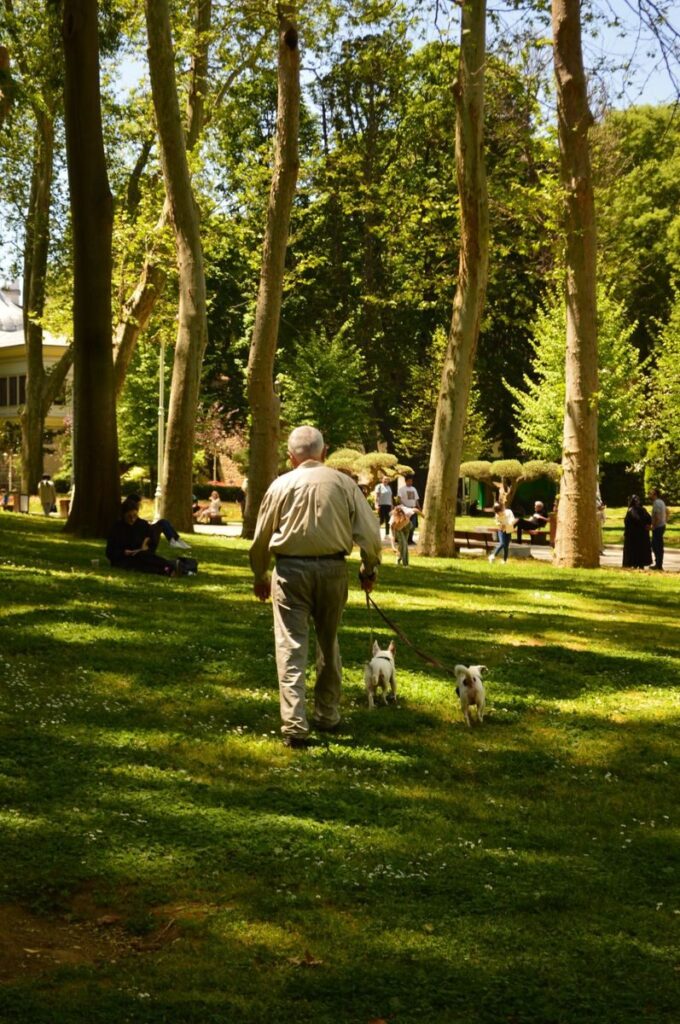
Walking your dog in Toronto’s beautiful parks and along its vibrant streets should be a joy, not a battle. But let’s be honest – pulling on the leash is a common frustration for many local dog owners. Whether you’re exploring Stanley Park, strolling through High Park, or navigating the busy sidewalks of downtown, teaching your dog to walk on a loose leash transforms these experiences. It reduces your own stress, prevents unwanted behaviours, and makes outings more pleasant for everyone involved.
This guide provides practical, step-by-step advice tailored to the realities of walking dogs in a Canadian city like Toronto. We focus on positive, patient methods that build trust and cooperation without resorting to harsh corrections.
Why Loose-Leash Walking Matters in Toronto
Toronto offers countless opportunities for outdoor adventures with your dog. From the winding paths of the Toronto Islands to the urban green spaces like Caledonia Park, loose leash walking is essential for:
- Safety: A slack leash allows your dog to react appropriately to unexpected sights, sounds, and smells, reducing the risk of accidents or reactive incidents. It gives them space to assess their environment, crucial in a city with cyclists, other pedestrians, and various stimuli.
- Respect: Teaching loose leash walking shows respect for other dogs and people you encounter on your walks. It prevents unintentional frightening or provoking of other animals and people.
- Stress Reduction: For both you and your dog! A taut leash can feel tense and overwhelming for some dogs, especially in busy or stimulating environments like Yonge-Dundas or waterfront paths.
- Better Training Foundation: A relaxed, loose leash is the foundation for other training, like recall or off-leash exploration in safe areas.
Getting Started: The Basics
Before diving into specific exercises, ensure you have the right tools and mindset:
Your Equipment
- Harness or Collar: A well-fitting, comfortable harness is generally recommended in Canada for most dogs, as it distributes pressure better and is less likely to choke your dog. Collars can work if comfortable for your dog, but harnesses are often preferred for training.
- Leash: Choose a durable leash appropriate for your dog’s size and your needs. A standard 5-6 foot leash is usually sufficient for most training scenarios.
- Treats: Keep high-value treats handy! These should be something your dog genuinely loves and craves. Small, soft treats work best for quick delivery. Think about mini chicken strips, small pieces of cheese, or special small kibble.
- Patience: This is perhaps the most important tool! Training takes time and consistency. Celebrate small successes.
Foundational Principles
- Positive Reinforcement: This means rewarding desired behaviour. When your dog walks calmly beside you with a loose leash, mark it (with a click or ‘yes!’) and give a treat immediately. They learn that loose leash = good thing.
- Consistency: Everyone in the household needs to use the same method and cues. Inconsistency confuses dogs.
- Start Indoors: Begin training indoors where there are fewer distractions.
- One Step at a Time: Don’t expect overnight results. Focus on small, achievable goals.
Step-by-Step Guide to Loose-Leash Walking
1. Leash Up and Stop
- The Exercise: Attach your dog’s harness or collar to the leash and hold the leash loosely in your hand. Stand still and wait for your dog to stop pulling and walk alongside you at a gentle pace. You can offer a treat to keep them focused.
- Pitfalls to Avoid: Don’t pull back when they pull. Don’t stand frozen if they become anxious.
- Tips for Success: Keep the leash loose until they stop. Offer treats generously when they match your pace and position.
2. Matching Your Pace
- The Exercise: Once your dog walks alongside you for a few steps (matching your pace), reward them. If they pull ahead, slow down slightly and wait for them to fall back in step. If they fall back, reward. If they continue to pull, pause briefly and wait for them to return to the correct position before continuing.
- Pitfalls to Avoid: Avoid moving erratically. Don’t reward pulling.
- Tips for Success: Use a steady, comfortable walking pace. Reward calm, correct positioning consistently. Keep sessions short (5-10 minutes) and end on a positive note.
3. Loose Leash at the Sidewalk
- The Exercise: Practice walking outside on your patio or sidewalk. Stop periodically and ask your dog to stand politely with a loose leash beside you. Reward them for maintaining a loose leash while you’re stopped. Then, ask them to walk with you again.
- Pitfalls to Avoid: Letting the leash tighten before you stop.
- Tips for Success: Pause frequently to practice the ‘stand politely’ aspect. This builds crucial slack management skills.
4. Introducing the Leash in Motion
- The Exercise: Once your dog reliably walks politely beside you indoors and on the patio, practice walking short distances in a quiet, low-distraction area (like a less-traveled part of a park). Focus solely on maintaining a loose leash. When the leash is taut, simply pause and wait for them to relax it.
- **Pit
Dealing with Common Challenges in Toronto
Training in a city environment introduces new challenges. Here’s how to handle them:
- Reactivity to Other Dogs/People: If your dog becomes tense or pulls when other dogs or people pass by, don’t engage. Keep your dog close on a loose leash using your body as a barrier if needed. Reward calmness. If they look away or sniff, reward. If they become too reactive, simply pause your walk.
- Distractions (Squirrels, Cars, Bikes): Toronto is full of distractions! Keep training sessions short in high-distraction areas. Use higher-value treats. Focus on your movement – practice walking beside you first in calm areas, then gradually introduce distractions.
- Your Dog Gets Frustrated: If your dog seems genuinely stressed or overwhelmed, stop the session. End on a positive note. Don’t push them. Maybe try a different exercise or environment.
Advanced Tips for Toronto Walks
- The Pause Button: Learn to stop often. This is your friend. Pause when the leash is loose, let your dog sniff and observe, then continue. This teaches them that walking is not constant motion.
- Vary Your Routes: Mix up your walks. Sometimes a walk along the waterfront, other times through a local ravine or a quieter neighbourhood street.
- Use Your Voice: A clear ‘Okay’ or ‘Heel’ (or your cue for walking politely) can be very effective when you need to regain your dog’s focus.
- Practice Off-Leash (When Appropriate): Once your dog reliably stays close on leash in a safe, enclosed area, you might practice the same skills off-leash. This requires a high level of reliability and a safe environment.
Final Thoughts: A Calmer Toronto Walk
Teaching your dog to walk on a loose leash is an investment in smoother, more enjoyable adventures together in Toronto’s great outdoors. It requires patience, consistency, and a focus on positive reinforcement. Remember that every dog learns at their own pace. Celebrate the progress, not perfection. With time and practice, you’ll find yourself navigating Toronto’s paths with a calmer, more cooperative companion by your side.
Disclaimer: If you’re struggling significantly or unsure about any aspect of training, consider consulting a certified positive reinforcement trainer in your area for personalized guidance. Many excellent resources and clubs exist for Toronto dog owners.