In this story
The Joy of Training: Building a Partnership with Your Hamilton Dog
There’s something special about training your dog – a chance to connect, teach, and grow together. In Hamilton, with its beautiful parks like Royal Botanical Garden and Centennial Park, training can be a fun adventure you share. But what’s the best way to approach this rewarding activity? Positive reinforcement has gained popularity for good reason, offering a humane and effective approach that strengthens your bond with your dog.
What Exactly Is Positive Reinforcement?
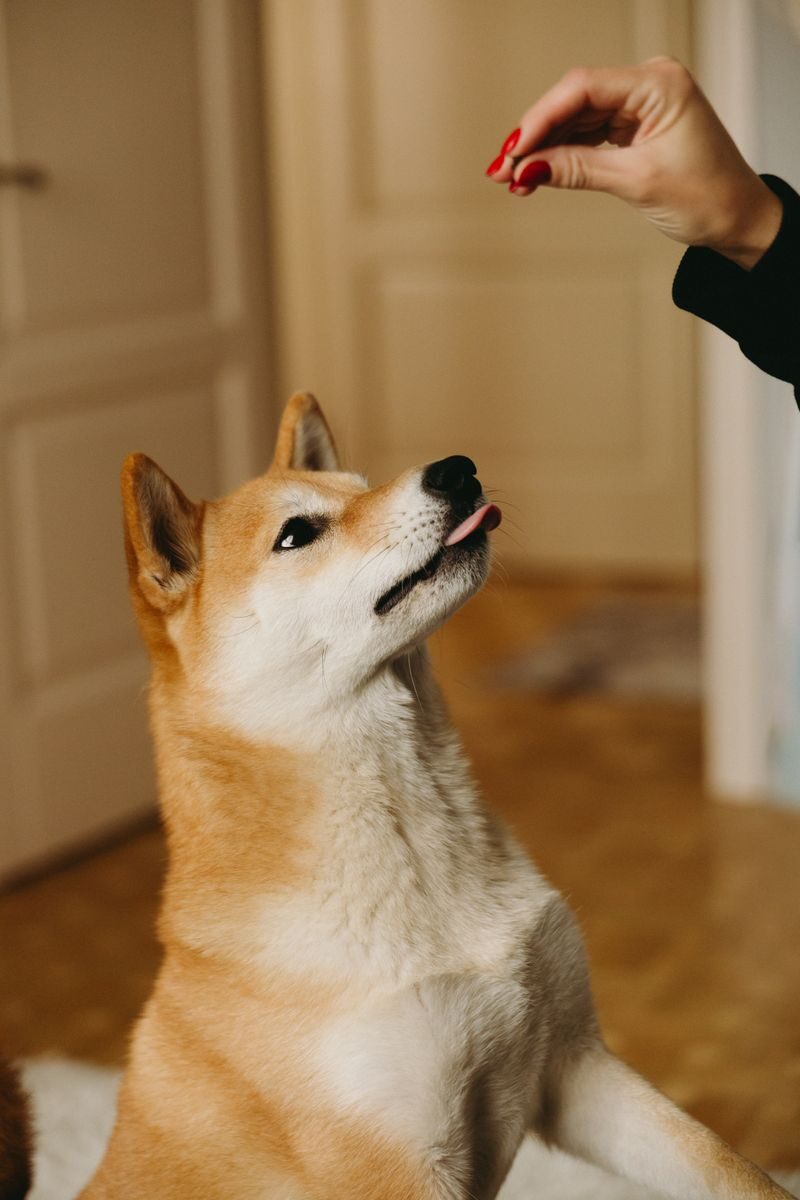
Positive reinforcement training is simple in concept but powerful in effect. It’s based on the principle of adding something desirable (a reward) to encourage a desired behaviour. When your dog does something right, you follow it with a treat, a toy, praise, or a scratch behind the ears.
This method focuses on building associations: “Doing this gets me a yummy kibble/touch/play!” It’s the opposite of punishment-based training, which focuses on stopping unwanted behaviours. Punishment can create fear, anxiety, and confusion, potentially damaging the already special bond you share with your Hamilton companion.
Why Positive Reinforcement Works So Well for Hamilton’s Dogs
Positive reinforcement works because it taps into your dog’s natural instincts. Dogs (and all animals) are motivated by rewards. When a behaviour is followed by something positive, it’s more likely to be repeated. This isn’t just a “feel-good” approach; it’s rooted in science.
- It’s Natural: Dogs and their wolf ancestors learned through natural rewards (food, safety, social approval) for behaviours that helped the pack survive. Positive reinforcement simply uses these same principles.
- It Builds Confidence: Focusing on what your dog is doing right, and rewarding it, builds their confidence. They learn that they can successfully navigate the world and that you are their supportive partner.
- It Creates a Positive Association: Training becomes a fun game, not a battle. This reduces stress for both you and your dog, leading to a more relaxed and cooperative learning environment.
- It’s Predictable: Unlike punishment, which can be unpredictable and confusing, positive reinforcement creates clear cause-and-effect. Your dog understands exactly what leads to a reward.
- It Focuses on Solutions: Instead of dwelling on mistakes, positive training focuses on building the skills and behaviours you want to see. This is particularly useful for navigating Hamilton’s busy streets, parks, or addressing challenges like leash reactivity.
The Many Benefits of a Positive Approach
Choosing positive reinforcement isn’t just about avoiding punishment; it offers numerous advantages for both you and your dog:
- Stronger Bond: Rewarding good behaviour reinforces your connection. You become your dog’s trusted partner in learning, building mutual respect and understanding.
- Reduced Stress: Dogs trained with positive methods are less likely to feel anxious or fearful during training sessions. This translates to better behaviour in everyday situations throughout Hamilton.
- Faster Learning: Because the dog is motivated and engaged, learning often happens more quickly and efficiently.
- Lifelong Skills: You’re teaching your dog to make good choices because they feel good about doing so, leading to more reliable behaviour over time.
- Applicable Anywhere: Whether you’re practicing in your backyard, walking along the Grand River, or enjoying the trails at Flamborough Hills Nature Centre, positive reinforcement works.
- Ethical Training: This method respects your dog’s welfare and minimizes the risk of developing fear-based issues.
Getting Started with Positive Reinforcement in Hamilton
Ready to try this rewarding approach? Here are some practical steps:
1. Identify High-Value Rewards
Not all rewards are created equal. What motivates your dog?
* Food: Small, soft treats work best for many dogs. Keep them handy! Consider small Canadian-made brands like Nature’s Bakery or Yum’s Organics for tasty rewards.
* Toys: Does your dog get excited for a specific toy? That can be a powerful motivator.
* Praise: A sincere “Good job!” or “That’s it!” can mean a lot to your dog.
* Play: Does your dog love tug-of-war or fetch? That’s a fantastic reward.
* Scratch: Many dogs enjoy a belly rub or scratch behind the ears.
2. Start Small and Stay Consistent
Break down behaviours into small, achievable steps. For example, if you’re teaching a recall, start with just a few steps towards you before rewarding.
3. Be Patient and Celebrate Effort
Training takes time and practice. Celebrate every effort, no matter how small. Your positive attitude will encourage your dog.
4. Make it Fun!
Keep training sessions short and engaging. End on a success to create positive associations with the learning process.
5. Seek Guidance if Needed
Hamilton has many resources for positive training. Consider consulting your local veterinarian for recommendations, or explore workshops offered through community centres or organizations like the Hamilton Humane Society.
Hamilton’s Parks as Your Training Ground
One of the best parts of positive reinforcement is that you can practice almost anywhere! Hamilton’s diverse environments offer great opportunities:
* Stoney Creek Conservation Area: Perfect for practicing recall or basic obedience in a natural setting.
* Royal Botanical Garden: Offers varied terrain and opportunities to work on focus amidst distractions.
* Dundas: Good for practicing loose leash walking on the sidewalk.
Beyond the Basics: Advanced Positive Techniques
Once you’ve mastered the basics, positive reinforcement can help with more complex challenges:
* Managing Off-Leash Freedom: Teaching reliable recall ensures safe adventures in areas like the Burlington Waterfront.
* Addressing Leash Reactivity: Using counter-conditioning and desensitization techniques within a positive framework can help manage reactivity in busy Hamilton streets.
* Teaching Impulse Control: Useful for managing resource guarding or teaching the ‘leave it’ cue in areas like the Hamilton Farmers’ Market.
The Takeaway for Hamilton Dog Owners
Positive reinforcement isn’t just a “softer” way to train; it’s a more effective, ethical, and rewarding approach. By focusing on what your dog does well and building a relationship based on trust and mutual respect, you’ll create a stronger bond and achieve better, more reliable results.
Training your Hamilton dog should be a positive experience for both of you. By embracing positive reinforcement, you’re not just teaching commands – you’re building a partnership that will last a lifetime. So grab your favourite reward and happy training!
Related posts:
 Why Positive Reinforcement Training Works Wonders for Your Calgary Dog
 Positive Reinforcement Training: Why It Works Wonders for Your Dog in Mississauga
 Best Indoor Activities for Dogs During Winter in Hamilton
 Master Loose-Leash Walking: A Guide for Hamilton Dog Owners
 Stop Your Dog from Chasing Squirrels in Hamilton