In this story
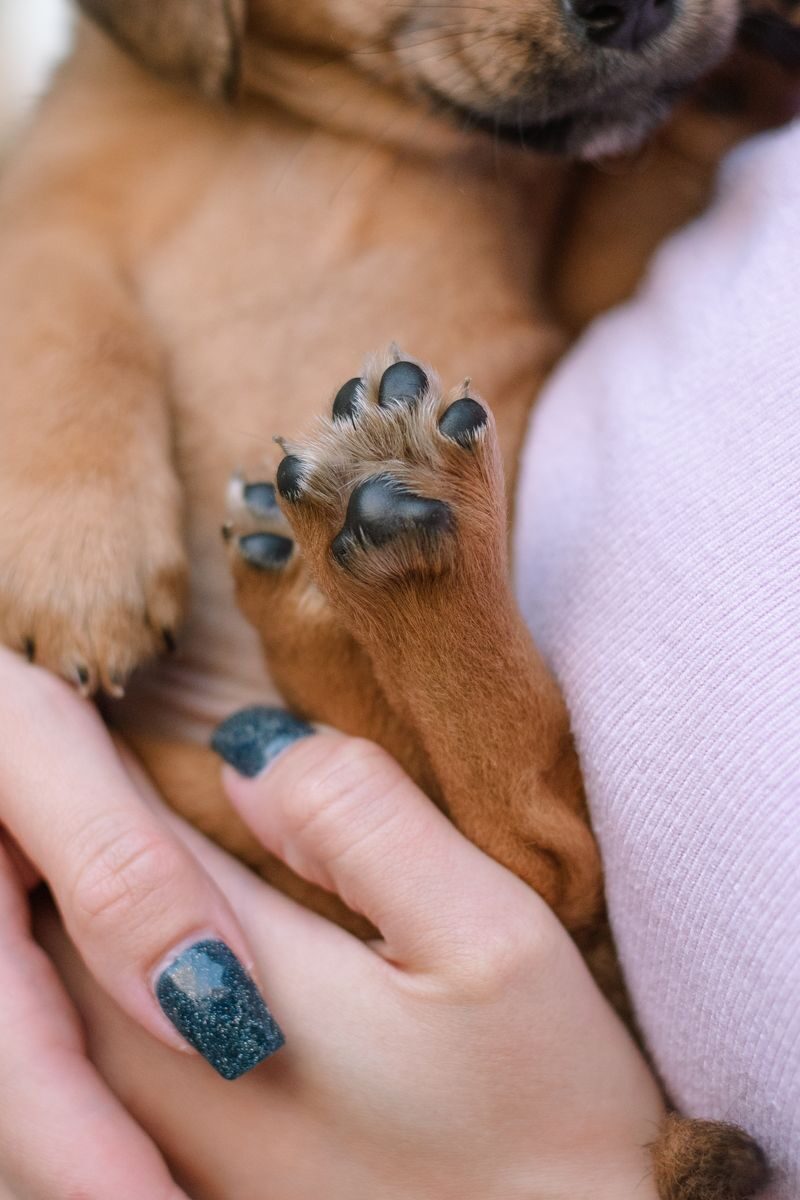
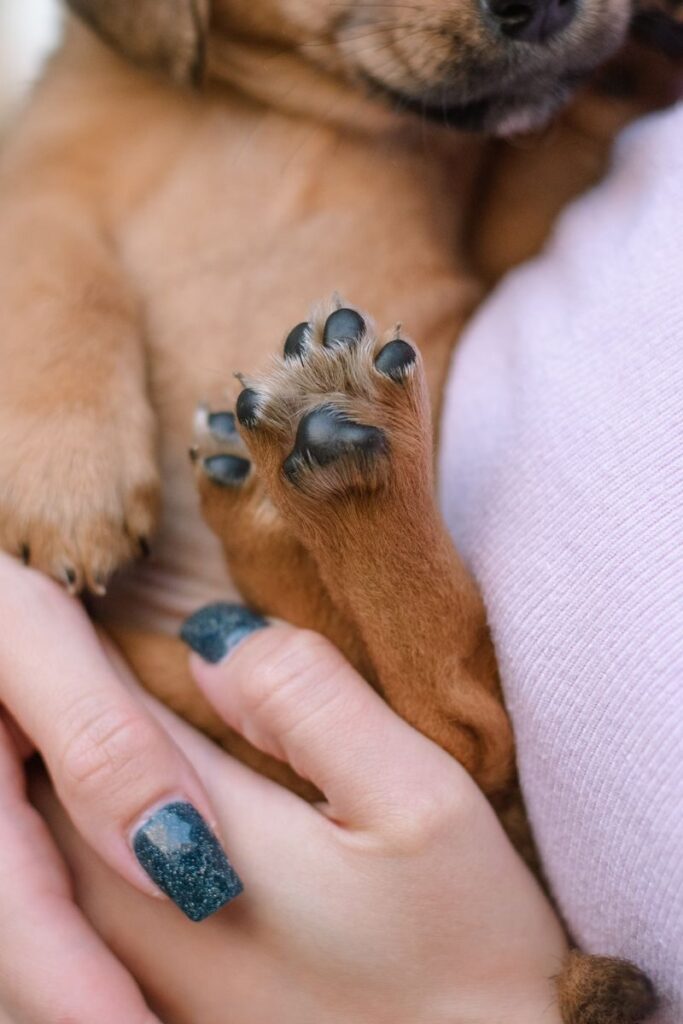
How to Safely Trim Your Vancouver Dog’s Paw Fur
Keeping your dog comfortable, especially in Vancouver’s unique climate, means paying attention to paw care. While we think of brushing and baths, the fur between your dog’s paws often gets overlooked. This is a mistake.
Trimming your dog’s paw fur isn’t just about aesthetics; it’s crucial for their well-being, especially during Vancouver’s rainy seasons or even the milder parts of the year. Understanding the importance and following proper techniques can make all the difference.
Why Trimming Your Dog’s Paws Matters in Vancouver
Dogs have fur on their paws, including the pads and between the toes. In Vancouver’s often damp environment, this fur can lead to several issues if not managed:
- Reduced Grip: Wet or muddy fur can make it harder for your dog’s paws to get a good grip on slippery surfaces, increasing the risk of slipping.
- Buildup and Irritation: Debris, mud, salt (from winter melting), or even just trapped moisture can build up under the fur, potentially causing irritation, fungal infections, or unpleasant odours.
- Overgrown Toenails: While we focus on trimming nails, the fur between the toes can sometimes grow long, potentially getting caught on things or adding extra weight.
- Heat and Comfort: In warmer months, excess fur between the pads can make walking uncomfortable, almost like wearing socks.
By regularly checking and trimming this fur, you’re preventing these issues and ensuring your dog’s paws stay healthy and comfortable throughout the year.
When to Trim
Most dogs will need paw trims every 1-4 weeks, depending on their breed, activity level, and the weather. You’ll know it’s time when you notice:
* Fur between the pads is noticeably long or matted.
* Your dog’s paws feel warmer than usual.
* There’s visible debris or buildup.
* Your dog seems to be slipping more on wet surfaces.
Essential Tools and Preparation
Before you pick up those scissors, gather the right tools and prepare your dog.
Necessary Tools
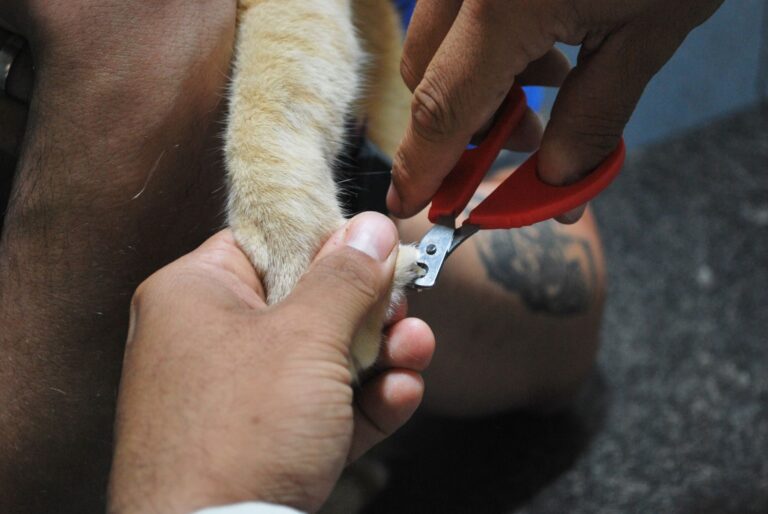
- Grasp-Under Clippers: These are the safest for trimming fur between the pads. They have a close cut and allow you to get under the paw fur easily.
- Grooming Shears (Sharp, Small Pair): These are essential for trimming the very tips of the fur and removing stray hairs.
- Emery Board or Pumice Stone: Useful for smoothing down very long or coarse fur after clipping.
- Pet-Safe Adhesive Tape or Gauze Pads: To protect your dog’s paws during the trimming process.
- Treats: Lots of them! Positive reinforcement is key.
- Soft Cloth or Sponge: For cleaning paws after.
Preparing Your Dog
This step is crucial for a stress-free experience:
- Choose the Right Time: Do this when your dog is relaxed, perhaps after a walk or during a training session. Avoid right before bed or after eating.
- Positive Reinforcement: Start with lots of praise and treats. Frame this as a special activity.
- Treat Ahead: Give a small treat before starting, so they associate paw trimming with something rewarding.
- Protect Their Paws: Use adhesive tape or gauze pads to cover the other three paws completely, leaving only the target paw exposed. This prevents them from licking or biting.
- Work on a Stable Surface: A non-slip bath mat or a towel on the floor can help keep your dog steady.
Step-by-Step Guide to Trimming
Once you’re ready, follow these steps carefully:
1. Inspect and Clean
- Lift the Paw: Gently lift the paw to examine the fur between the pads.
- Check for Debris: Look for mud, stones, or sticks. Clean these out gently with a damp cloth or soft brush.
- Clean the Area (Optional): A quick wipe-down with a pet-safe wipe or damp cloth can help, but don’t soak the paws.
2. Trim the Fur Between the Pads
This is the most critical part. Use the grasp-under clippers:
- Position: Hold the clippers perpendicular to the paw pad, grasping the fur firmly but gently.
- Clip in Small Sections: Clip small amounts of fur at a time. Trying to grab too much at once can cause the clippers to slip or pull.
- Go with the Grain: Try to cut with the direction of hair growth, if you can see it, to minimize pulling.
- Trim Until Smooth: Continue clipping until the fur is short and smooth, but still a little above the skin for protection. Avoid cutting the pads themselves.
3. Trim the Fur on Top of the Pads (Optional)
Some owners trim a bit of the top fur for neatness or if it’s getting long:
- Use Sharp Shears: Use sharp grooming shears or small scissors.
- Cut Small Amounts: Take very small amounts at a time.
- Keep it Short: A trim of about 1/4 to 1/2 inch is usually sufficient.
4. Address Long Stray Hairs
If there are any long hairs sticking out, use the grooming shears or an emery board to carefully trim them.
5. Repeat for All Toes
Gently move to each toe pad, clipping as needed. Take breaks if your dog gets restless.
6. Clean Up
- Remove the tape/gauze.
- Offer lots of praise and treats.
- Clean the paws again with a damp cloth.
7. Trim Other Paws
Repeat the process for all four paws.
Ensuring Safety and Comfort
The most important thing is to do this gently and carefully:
- Go Slow: If your dog is nervous, don’t force it. Build up to it gradually.
- Never Cut Too Close: Always leave some fur for insulation and protection. Cutting the pads can be painful and leave them vulnerable to cuts and blisters.
- Be Aware of Blood Supply: The pads contain blood vessels. If you accidentally cut into the quick (pink tissue), it will bleed. It’s usually not dangerous but can be alarming. If this happens, apply gentle pressure with a clean cloth or tissue. If you’re unsure what you’ve cut, it’s okay.
- Know When to Stop: If your dog becomes anxious or stressed, stop immediately. You can always wait a few days and try again.
- Consider Professional Grooming: If you’re unsure or your dog has very thick fur or medical issues with their paws, consider asking a professional groomer or vet for advice. Many groomers offer paw trims as part of their service.
Aftercare and Frequency
- Check Regularly: Make it a habit to check your dog’s paws weekly during walks or grooming sessions.
- Monitor for Issues: Keep an eye out for redness, swelling, cuts, or signs of infection after trimming.
- Moisturize (If Needed): Some paw pads can be dry, especially in winter. Ask your vet about suitable pet-safe moisturizers.
Final Thoughts for Vancouver Dog Owners
Trimming your dog’s paw fur is a simple yet vital part of responsible pet ownership in Vancouver. By doing it safely and regularly, you help keep your best friend comfortable, protected, and happy on those damp city streets and trails.
Remember to always prioritize your dog’s comfort and safety. If you’re ever unsure, don’t hesitate to consult your veterinarian or a professional groomer.
Happy, healthy paws, Vancouver style!