In this story
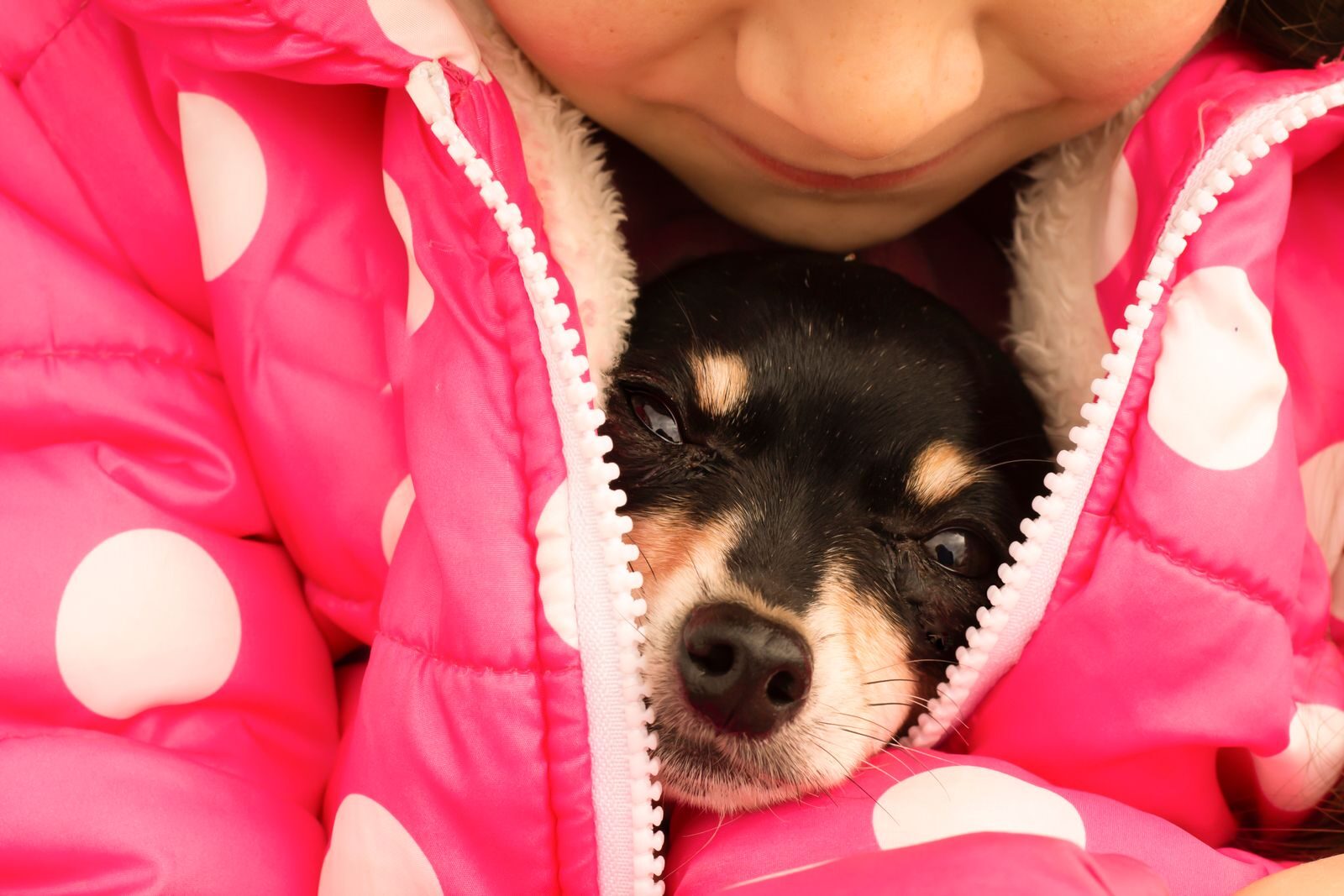
Brave the Brampton Bind: Safely Welcoming Dogs and Kids
The vibrant energy of Brampton shines through in its tight-knit communities and love for outdoor adventures. Many families here dream of welcoming a furry companion into their homes. If you’re a Brampton family considering adding a dog, congratulations! But let’s be honest, bringing together playful youth and curious canines requires care, patience, and understanding. The good news? With the right approach, dog ownership in Brampton can be incredibly rewarding for everyone involved.
Integrating dogs and kids isn’t just about cute puppy photos or sharing snacks. It’s about building a foundation of mutual respect, understanding body language, and ensuring everyone feels safe. This guide offers practical, non-judgmental advice tailored to the Brampton context, helping you navigate this common parenting challenge.
Why It Matters: Building a Harmonious Brampton Family
In the diverse community spaces of Brampton, from Alderwood to West Brampton, dogs are beloved members of the neighbourhood fabric. They provide companionship, encourage an active lifestyle, and can be wonderful teachers for children about responsibility and empathy.
But safety always comes first. Teaching children how to interact respectfully with dogs protects the dog from fear and potential stress, and protects the child from unpredictable behaviour. A well-socialized, properly supervised dog is a joy to share. Conversely, introducing a dog to a loving, respectful family environment helps the dog thrive.
The Golden Rule: Supervise Every Interaction
This is the cornerstone of safe integration. Never leave a young child (under 12, or even older if unsure) unattended with a dog, even a familiar one. Children can misinterpret a dog’s body language or react suddenly, while dogs can react defensively or fearfully. Supervised interactions allow for gentle guidance and immediate intervention if needed.
Phase 1: Welcoming the Canine Companion – Introducing Your Dog to Kids
If you’re bringing a dog into your Brampton home with children, start early and proceed slowly:
- Choose the Right Timing: Introduce the dog while the children are calm and not overly excited or tired. A relaxed atmosphere is best.
- Controlled Environment: Keep initial meetings confined to a quiet room, perhaps your bedroom or living room, away from high-traffic areas of the house. This reduces overwhelming stimuli for both.
- Positive Association for the Dog: Ensure the dog views the children’s presence as positive. Use high-value treats (small Canadian brands like Nature’s Bakery or Canida’s Handcrafted Treats work well, but focus on the principle, not specific products), soft spoken praise, and calm affection. Avoid forcing interactions if the dog seems wary.
- Child Education: Teach your children dog language. Explain that dogs have paws (for smelling!), tails (for expressing feelings!), and ears (for hearing differently). Teach them to approach calmly, ask before touching, and read the dog’s body language cues.
- Respect Boundaries: Watch for signs the dog is uncomfortable (whining, tucked tail, growling, yawning, turning away). Teach children to stop and give space. “No funnies!” is a key phrase.
- Consistency is Key: Make these positive, supervised interactions a regular part of family life. Patience builds trust.
Phase 2: Welcoming Kids into Your Home – Introducing Kids to Your Dog
If you already have a dog and are welcoming children, the process requires extra caution:
- Gradual Exposure: Allow the dog to explore the home and get comfortable before children are present. Let the dog set the pace.
- Secure the Perimeter: Especially during the initial adjustment period, consider baby gates or a crate option for the dog when children are present in certain areas. This gives the dog a safe space to retreat if feeling overwhelmed.
- Manage the Dog’s Environment: Keep the dog on a leash during greetings or in areas with children. This allows you to control their movement and keep interactions positive.
- Positive Reinforcement: Reward the dog with treats, praise, and play for calm behaviour around children. Let them approach children on their own terms.
- Supervised Playdates: Even in the welcoming neighbourhoods of Brampton, always supervise playdates between kids and your dog. Teach children gentle play (no grabbing paws or tails!) and how to read the dog’s signals.
Brampton Public Spaces: Navigating Leash-Free Areas with Confidence
Brampton boasts lovely parks like Caledonia Park or Credit River Conservation areas where dogs are often welcome off-leash (check local bylaws!). When enjoying these spaces with children:
- Prioritize Leash Length: Keep your dog on a short leash initially, especially near playgrounds or areas where children might be present.
- Be Aware: Scan your surroundings. Be mindful of other dogs and children. Your dog should be able to focus on you.
- Respect Boundaries: If another dog or child seems wary, give them space.
- Teach Children: Explain that dogs in parks might be more energetic or less predictable than at home. Teach them to report back if they see something unusual.
Beyond the Basics: Managing Reactivity and Ensuring Long-Term Safety
Not all dogs are naturally warm towards children, and not all children are naturally gentle with dogs. Here’s how to manage potential challenges:
- Address Reactivity: If your dog shows fear or reactivity towards children or children’s sudden movements, consult a Brampton dog trainer or behaviourist (like those associated with local kennel clubs or community centres). Early intervention is crucial.
- Child Sensitivity: Some children are naturally cautious around dogs. Teach all children, regardless of age, to be gentle and read dog body language.
- The Buddy System: If you have multiple children, ensure at least one older child or adult is present to help manage interactions.
- Know When to Intervene: If a dog shows any sign of stress or fear (even subtle ones like lip licking or whining), calmly remove yourself and the children from the situation.
Final Thoughts: A Brampton Family Affair
Integrating dogs and kids in Brampton is about building a relationship based on trust, respect, and clear communication. It requires ongoing effort from everyone involved, but the rewards – a loyal companion, a responsible child, and a harmonious home – are immeasurable.
Start slowly, prioritize safety, educate your children, and listen to your dog. With patience and care, you can create a wonderful dynamic that brings joy to all members of your Brampton family.
Remember: Every dog is an individual, and every dog-human relationship requires understanding and respect. If you’re ever in doubt, consult resources like the Brampton Humane Society or local dog training professionals.
Related posts:
 Understanding and Managing Jumping Behaviour in Your Brampton Dog
 Keeping Your Brampton Dog Safe at Night
 Unlock Your Dog’s Comfort: Why Crate Training is a Game Changer in Brampton
 Gentle Walks and Warm Beds: Why Senior Dogs Need Special Care in Brampton
 Best Dog Breeds for First-Time Owners in Brampton