In this story
Brampton is a house city, and that shapes the first-dog question in a good way. In the 2021 Census, more than half of Brampton homes — 52.6 per cent — were single-detached houses, with semis and row houses making up another quarter, and only about one in ten in a high-rise apartment. For a first-time owner, that usually means a yard, a driveway and room for a medium or large dog — breeds that would be a squeeze in a downtown condo.
The climate is classic Peel Region: winters run close to the Toronto Pearson normals, with January averaging a high around −1°C and a low around −8°C. Brampton’s trail network — the Etobicoke Creek Trail, Heart Lake and the city’s leash-free areas — gives an active dog plenty to do year-round. The breeds below are all known for forgiving a beginner’s learning curve.
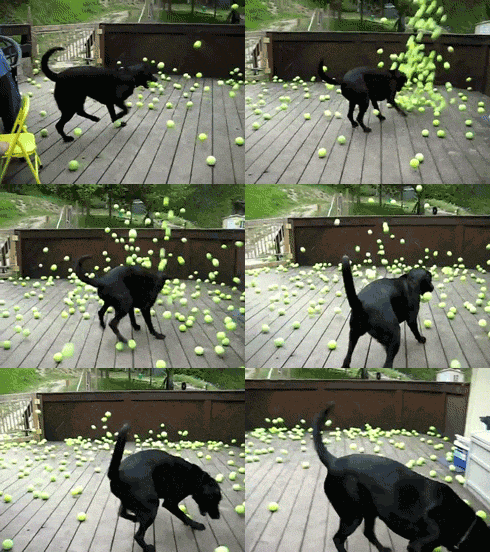
Golden Retriever
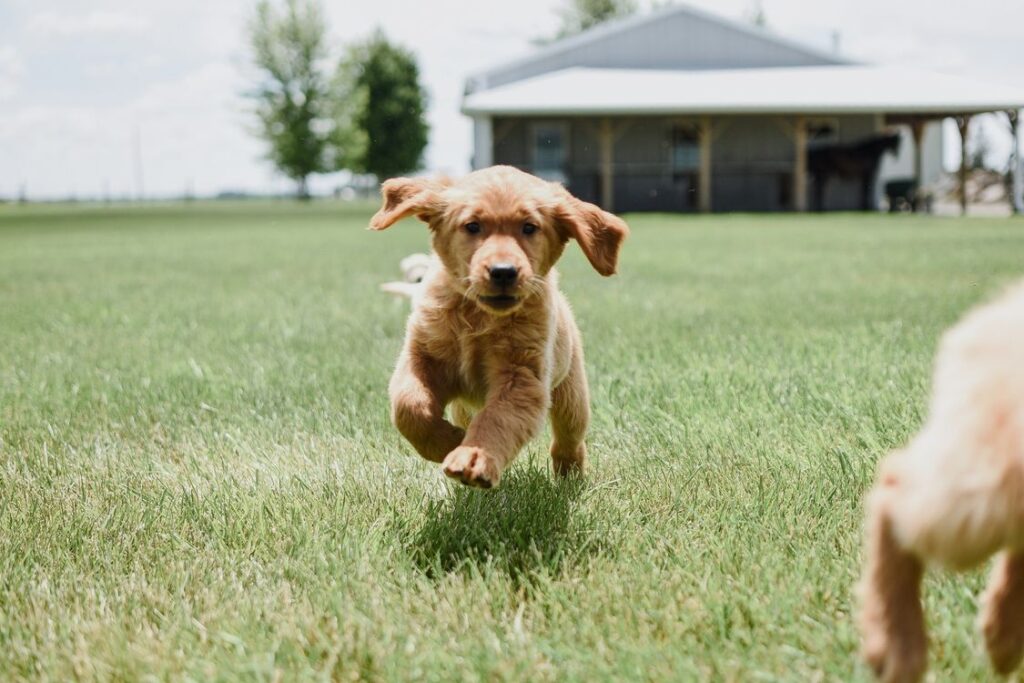
Start with the safest bet in the dog world. The Golden’s breed standard describes its temperament as friendly, reliable and trustworthy, and the American Kennel Club calls Goldens outgoing, eager to please and relatively easy to train. That eagerness is what makes them so forgiving of a first-timer’s imperfect timing.
Goldens are big dogs, typically 65 to 75 pounds, needing about an hour of activity a day plus regular brushing through a thick double coat that sheds heavily, especially in spring and fall. A Brampton detached home with a yard suits them perfectly, and their thick coat handles winter walks well. Ask breeders about health screening for hips, eyes and heart, and watch the weight — Goldens put it on easily.
Labrador Retriever
Labs have topped popularity lists for decades because they are so even-tempered. The AKC describes them as friendly, outgoing and intelligent, and enthusiastic about working with their owners. They are patient with children, sociable with strangers and other dogs, and take training mistakes in stride — exactly what a first-time owner needs while learning the ropes.
They are the higher-energy pick here: a young Lab needs a good hour of exercise a day, plus things to chew and carry, or it will invent its own entertainment. Their short coat sheds steadily but needs little grooming, and like Goldens they are prone to weight gain and hip issues, so measure food and ask breeders about hip and elbow screening.
Bernese Mountain Dog
The Bernese was built for cold Brampton mornings. Bred as a working farm dog in the Swiss Alps, this big, calm, affectionate breed loves snow, tolerates cold better than almost any dog on this list, and is famously gentle with families. In a detached home with a yard, a Bernese is a wonderfully steady first dog.
The trade-offs are size and lifespan: Berners typically weigh 70 to 115 pounds and need space, and they live a shorter life than smaller breeds — usually around seven to ten years — with cancer and joint issues more common than in many breeds. They shed heavily and drool a little.
Standard Poodle
Poodles are the smart kids of the dog world — the AKC describes them as intelligent, attentive and people-oriented, and generally easy to train — which makes them a great first dog for someone who enjoys the training part. A Standard Poodle is an athletic, low-shedding dog that handles Brampton’s winters well with its dense, curly coat, and it has the size and stamina for long trail walks.
The catch is grooming: that coat mats without regular brushing and needs professional clipping every six to eight weeks. Standards are also clever enough to get bored, so mix up walks with training games and puzzle toys.
Bichon Frise
Not every Brampton first-timer wants a big dog, and the Bichon is the small, cheerful answer. The AKC describes Bichons as relatively easy to train, and they are affectionate without being clingy, playful without being frantic. They need moderate exercise — a couple of walks and some play — and their low-shedding curly coat suits allergy-sensitive households.
The trade-off is grooming: that white coat mats without regular brushing and needs professional clipping every four to six weeks. Bichons can also be slow to housetrain, so patience and a consistent routine in those first months pay off.
Whippet
The Whippet is the gentle surprise on this list: a quiet, affectionate dog happy with a good run and then hours of sleep. They need less exercise than their racing-dog looks suggest — a daily walk, a sprint in a fenced area, and they are done — and they are clean, low-odour and low-maintenance around the house. For a first-time owner in a Brampton townhouse or semi, a Whippet is a calm, undemanding companion.
Two things to know: Whippets have almost no body fat and a very thin coat, so they need a proper winter coat and booties for cold walks, and they feel the cold indoors too — expect a dog that burrows under blankets. Like Greyhounds, they have a strong prey drive, so off-leash time belongs in fenced areas only, never on open trails.
Good to know before you go
Under By-law 201-2023, every dog must be licensed with the city, dogs must be leashed and under control whenever they are off your own property (except in the city’s designated leash-free areas), and a household may keep up to six cats and dogs combined, with no more than three dogs. One more thing to check before falling for a face: Ontario’s Dog Owners’ Liability Act restricts pit bull-type dogs province-wide, so confirm the rules before considering one.
Winter care is the other big piece: short-coated breeds like the Whippet need coats and booties, all dogs need paws wiped after walks to clear road salt, and on the coldest days keep outings brief and play indoors instead. In summer, Brampton’s humid heat means shorter midday walks and plenty of water. If you would rather adopt, Brampton Animal Services and local rescues regularly have adult dogs whose temperaments are already known.
Whichever breed you choose, start with an honest look at your average Tuesday: how much time you really have, how much exercise you will actually do in February, and how much grooming you will keep up. Match the dog to that life, not the one you imagine on a summer weekend. For more Brampton dog life, explore our other Brampton guides on Canada Mutts.
Related posts:
 Choosing the Best Dog Breeds for Life in Brampton, Ontario
 Finding the Perfect Dog Breed for Your Brampton Detached House
 Brampton Dog Ear Cleaning Guide: A Step-by-Step Approach
 Boost Your Brampton Dog’s Confidence: A Practical Guide
 Brampton Dog Owners: Keeping Your Pup Comfortable in Cold Weather