In this story
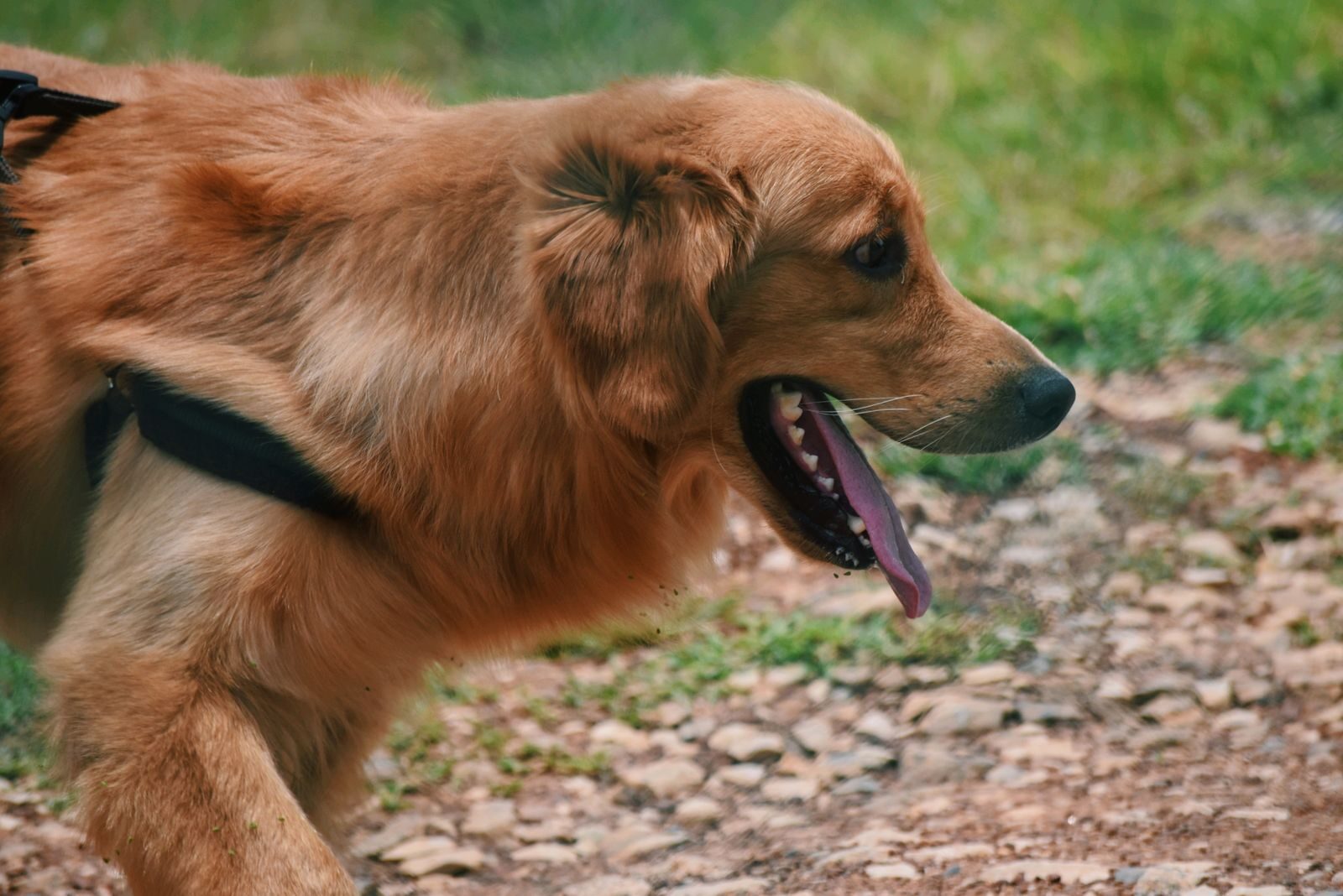
Recognizing Heatstroke in Dogs: An Ottawa Pet Owner’s Guide
Ottawa’s warm summer months bring beautiful weather for outdoor activities with our four-legged friends. However, it also brings an increased risk of heatstroke for dogs, who regulate their body temperature differently than humans. While many of us understand the importance of hydration and sun protection for ourselves, recognizing the signs of heatstroke in dogs is crucial for their health and safety in our local climate.
Heatstroke isn’t just uncomfortable; it’s a potentially life-threatening emergency that requires immediate attention. As responsible pet owners in Ottawa, being able to identify the warning signs early can make a critical difference in ensuring our canine companions stay healthy and safe during the warmer parts of the year.
What is Heatstroke in Dogs?
Heatstroke in dogs occurs when their bodies can no longer effectively regulate their internal temperature, typically rising above 40°C (104°F). Unlike humans, dogs primarily cool themselves through panting and have limited sweat glands, mostly on their paws. When these mechanisms are overwhelmed or insufficient, especially in hot and humid conditions, heatstroke can occur.
In Ottawa, while we don’t experience the extreme heatwaves of some southern regions, high temperatures combined with humidity can still push susceptible dogs past their heat tolerance threshold. Certain breeds, particularly those with short noses (brachycephalic breeds like Bulldogs, Pugs, and Shih Tzus), are especially prone, as are older dogs, puppies, and those with underlying health conditions.
Key Signs and Symptoms of Heatstroke in Dogs
Heatstroke presents with a range of symptoms. It’s important to act quickly if you observe any combination of these signs, especially during hot weather:
1. Excessive Panting or Gagging Panting (Gecko Panting)
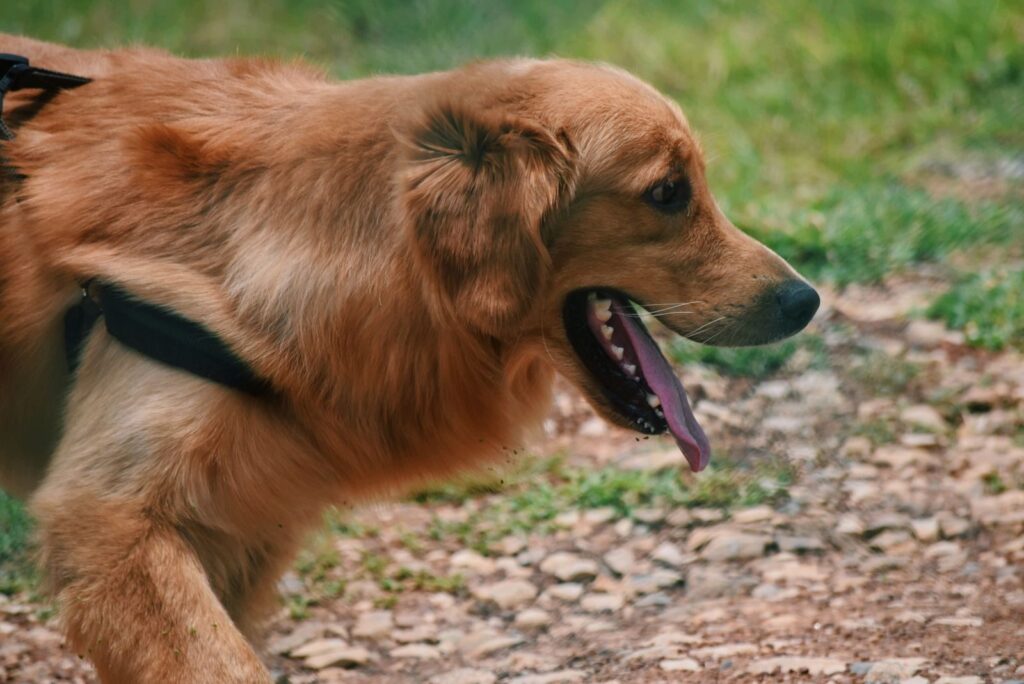
This is often the most noticeable sign. While dogs pant normally when exercising or in warm conditions, heatstroke involves rapid, deep, and sometimes noisy breathing that seems disproportionate to the activity level or the surrounding temperature.
**2. Saliva Changes
Dogs may drool excessively or produce thick, viscous saliva. This change in saliva consistency is related to dehydration and the body’s stress response.
**3. Bright Red Gums and Mucous Membranes
Normally pink, a dog’s gums can become alarmingly bright red or even reddish-purple during heatstroke. This flushed appearance is a sign of increased blood flow and systemic distress.
**4. High Rectal Temperature
A rectal temperature significantly above normal (typically over 40°C or 105°F) is a definitive sign, but it requires a thermometer to confirm.
**5. Altered Mental State
Confusion, disorientation, lethargy, staggering, or unusual agitation can all indicate neurological effects from the high body temperature.
**6. Vomiting or Diarrhea
Gastrointestinal upset is common in heatstroke cases due to the body’s stress and potential dehydration.
**7. Rapid Heart Rate
An increased heart rate (tachycardia) is the body’s attempt to circulate blood more effectively.
**8. Collapse or Weakness
As heatstroke progresses, dogs may become weak, collapse, or exhibit severe lethargy.
**9. Skin Changes
In some cases, especially with severe heatstroke, the skin might become pale, grey, or even blue (cyanosis), indicating poor oxygenation.
Immediate Actions if You Suspect Heatstroke
If you observe any of these signs, especially in combination, heatstroke is considered a medical emergency. Time is critical. Follow these steps:
- Seek Veterinary Care Immediately: Do not delay. Take your dog to an emergency veterinary clinic right away. Prompt treatment with intravenous fluids and supportive care is essential.
- Move to a Cooler Environment: Bring your dog indoors or to a shaded, cooler area as soon as possible.
- Offer Fresh Water (If Conscious and Responsive): If your dog is conscious, panting, and responsive, offer fresh, cool water. However, don’t force them to drink if they are lethargic or unresponsive.
- Cool Down (While Waiting for Vet): While en route to the vet, you can help cool your dog slightly by wetting their fur with cool (not ice-cold) water, focusing on the head, neck, and underbelly. Use a fan if available to aid evaporation.
- Do NOT Use Ice: Avoid using ice directly on their skin, as it can cause blood vessel damage.
Prevention is Key: Keeping Your Ottawa Dog Safe
Preventing heatstroke is always better than treating it. Here are practical steps you can take year-round, but especially during Ottawa’s summer:
1. Never Leave Your Dog Alone in a Parked Car
Even on cool days, a parked car can become a dangerous sauna. Temperatures inside a parked car can reach deadly levels (often over 40°C) much faster than outside, even on cloudy days. NEVER leave your dog unsupervised in a vehicle.
2. Provide Ample Shade and Fresh Water
When outdoors, ensure your dog has access to plenty of shade and cool, fresh water at all times. Check the water bowl frequently and refill it.
3. Limit Exercise During Peak Heat Hoursn
Avoid strenuous walks, playtime, or exercise during the hottest parts of the day, typically between 10 am and 4 pm in Ottawa. Early morning or late evening walks are often safer.
**4. Pay Attention to Humidity Levels
High humidity hinders a dog’s ability to cool itself through panting. Be extra cautious on humid days, even if the temperature isn’t extremely high.
**5. Ensure Proper Ventilation at Home
Keep windows open for cross-ventilation. Consider cooling mats or fans in your home, but ensure they don’t blow hot air in.
**6. Watch High-Risk Breeds and Individuals
Be extra vigilant with dogs known to be more susceptible to heatstroke, including short-nosed breeds, older dogs, puppies, and those with health conditions like heart disease or obesity.
**7. Acclimatize Gradually
If you’re planning outdoor activities, start slowly and gradually increase the duration and intensity as your dog shows tolerance.
When to Call Your Vet for Non-Emergency Concerns
While heatstroke is an emergency, your veterinarian is also the right resource for general heat-related concerns. Call your vet if your dog shows signs of overheating but not full-blown heatstroke, such as heavy panting on a hot day, seems lethargic, or has slightly elevated temperature but isn’t showing severe distress. They can advise on cooling measures and whether an examination is needed.
Conclusion: Be a Savvy Ottawa Dog Owner
Heatstroke is a serious condition that can strike quickly, especially in our changing Ottawa weather. By understanding the signs, taking preventative measures, and acting swiftly if you suspect heatstroke, you can help ensure your best friend stays happy, healthy, and safe this summer. Always prioritize your dog’s well-being during warm weather, and don’t hesitate to consult your veterinarian or an emergency clinic if you have any concerns about your dog’s health or temperature.