In this story
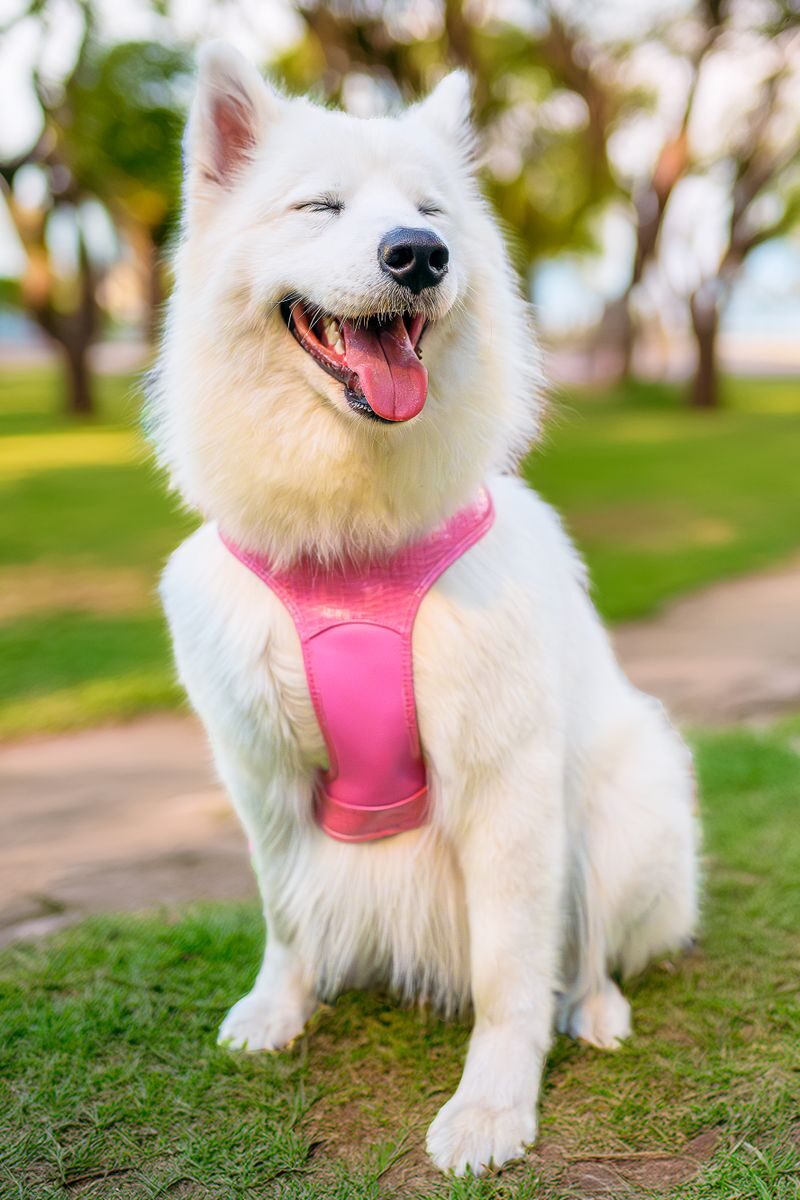
Choosing the Right Harness for Your Montreal Dog
Walking through the charming streets of Montreal with your furry companion is a cherished pastime. Whether you’re strolling along the St. Lawrence River, navigating the bustling Old Port, or heading to Parc Jean-Drapeau, having the right gear is essential for both comfort and safety. While collars are common, a well-fitting harness offers significant advantages, especially in Montreal’s unique environment.
Why a Harness Might Be the Better Choice
Harnesses offer several benefits that make them an excellent option for many dogs in Montreal:
Comfort in Montreal’s Climate
For dogs that can tolerate neck girths, collars are perfectly fine. However, harnesses distribute pressure across the chest and shoulders, which can be more comfortable during warmer summer walks along the river or in the city’s parks. This is particularly thoughtful during Montreal’s humid summers.
Safety and Control in Urban Settings
In an urban environment like Montreal, a harness provides better control. If your dog pulls on the leash, a harness allows for more effective training and management, preventing strain on their neck which could occur with a collar. This is crucial near busy streets, construction sites, or crowded areas like the Metro stations.
Ideal for Short-Nosed Breeds
Many dogs in Montreal, especially those with short muzzles like Pugs, Bulldogs, or Shih Tzus, benefit greatly from a harness. These breeds can suffer from breathing difficulties if a collar puts pressure on their trachea.
Peace of Mind for Active Walkers
If you enjoy longer walks or exploring Montreal’s many trails, a harness gives you more freedom of movement and better control over your dog.
Key Factors to Consider: Fit is Everything
Regardless of the type of harness you choose, ensuring a proper fit is paramount for your dog’s comfort and safety. An ill-fitting harness can cause chafing, restrict breathing, or fail to provide adequate control.
How to Check the Fit
- Snug but Not Tight: The harness should feel snug against your dog’s body. You should be able to fit a finger comfortably under the straps. Avoid harnesses that dig into the chest or shoulders.
- No Head Passage: The harness should not be able to pass under your dog’s chin or slide up over their head. It should sit securely on the chest and shoulders.
- Check the ID: Ensure the ID tag can still be attached (unless it’s a tag-free harness).
- Observe During Activity: Check the fit during a brisk walk. Does it rub? Does it slip up? Does it restrict movement?
Types of Harnesses: Which One Might Suit Montreal?
There are several types of harnesses, each with different advantages and considerations:
Chest Harnesses
- Pros: The most common type, distributes pressure well, offers good control, comfortable for most dogs.
- Cons: Can be tricky to put on for some dogs initially.
- Best For: Most dogs in Montreal, especially those that walk politely on leash or require more control.
V-Harnesses
- Pros: Sit lower on the chest, often preferred by dogs that are sensitive across their chest.
- Cons: Can sometimes slip if not fastened securely, may not offer as much control as a traditional chest harness.
- Best For: Dogs that dislike chest harnesses but still benefit from a harness over a collar.
Martingale Harnesses
- Pros: Tightens gently when tension is applied, preventing pulling dogs from slipping out of a loose collar.
- Cons: Requires a bit more adjustment during walks, not a full harness.
- Best For: Dogs that tend to slip out of standard collars but don’t pull excessively.
Hiking or Mountain Harnesses
- Pros: Often have multiple leash attachment points and sturdy buckles.
- Cons: Can be bulkier, sometimes less comfortable for everyday city walks.
- Best For: Active Montreal dogs that require extra attachment options or have a tendency to escape through a collar.
Material Matters
The material of the harness affects comfort, durability, and weather resistance:
- Webbing: Soft, comfortable, often adjustable, and widely available. Great for everyday use in Montreal’s varied weather.
- Neoprene: Water-resistant and durable, often used in performance harnesses.
- Leather: Durable and often adjustable, breaks in with use but requires breaking-in. Good for Montreal’s climate.
- Reflective Trimming: Especially important if you walk in low-light conditions (dusk, dawn, or winter) or near high-traffic areas.
Safety Features to Look For
Beyond the basic fit and material, consider these safety aspects:
Breakaway Buckles
Crucial for preventing strangulation if your dog gets caught by a door, under a bush, or in a vehicle door. Ensure it opens easily with minimal force.
Reflective Elements
Essential for visibility during early morning walks by the river, evening strolls through the Old Port, or winter walks in Lower Town.
ID Accessibility
Make sure your dog’s ID tag can still be attached or included.
Montreal-Specific Considerations
Winter Walks
With snow and ice common, durability is key. Look for sturdy webbing or neoprene that can withstand friction on icy sidewalks. Ensure buckles aren’t covered in ice or snow. A well-fitting harness prevents chafing during longer winter walks.
Flea and Tick Season
As temperatures rise in spring and summer, ticks become a concern in areas like the Outaouais region near Montreal. While harnesses aren’t flea/tick collars, a comfortable harness can be worn consistently throughout the season.
Parks and Public Transport
When visiting Parc Maisonneuve or using the Metro with your dog (where allowed), a harness allows for better control and comfort during stops and crowds.
Beyond the Harness: Collars Still Have Their Place
Don’t forget that a harness and collar can work together. Many dogs wear both:
- ID: A collar with tags is still the primary identification method. Attach the harness to the collar.
- Comfort: Some dogs prefer a collar for everyday wear at home or in the car.
- Control: A harness provides walking control, while a collar keeps the ID accessible.
Getting the Right Fit: What to Do Next
Choosing the right harness involves more than just picking a style. Visit a pet store or animal shelter that offers harness fitting consultations if available. If not, don’t hesitate to ask staff for advice. Measure your dog correctly and try on several options to find the most comfortable and secure fit.
Final Thoughts: Happy Walking, Montreal-Style
Investing time in selecting the appropriate harness ensures your dog enjoys Montreal’s many adventures safely and comfortably. A well-fitting harness is a small investment for many years of happy, controlled walks through the city’s beautiful parks and vibrant neighborhoods. Happy paws!