In this story
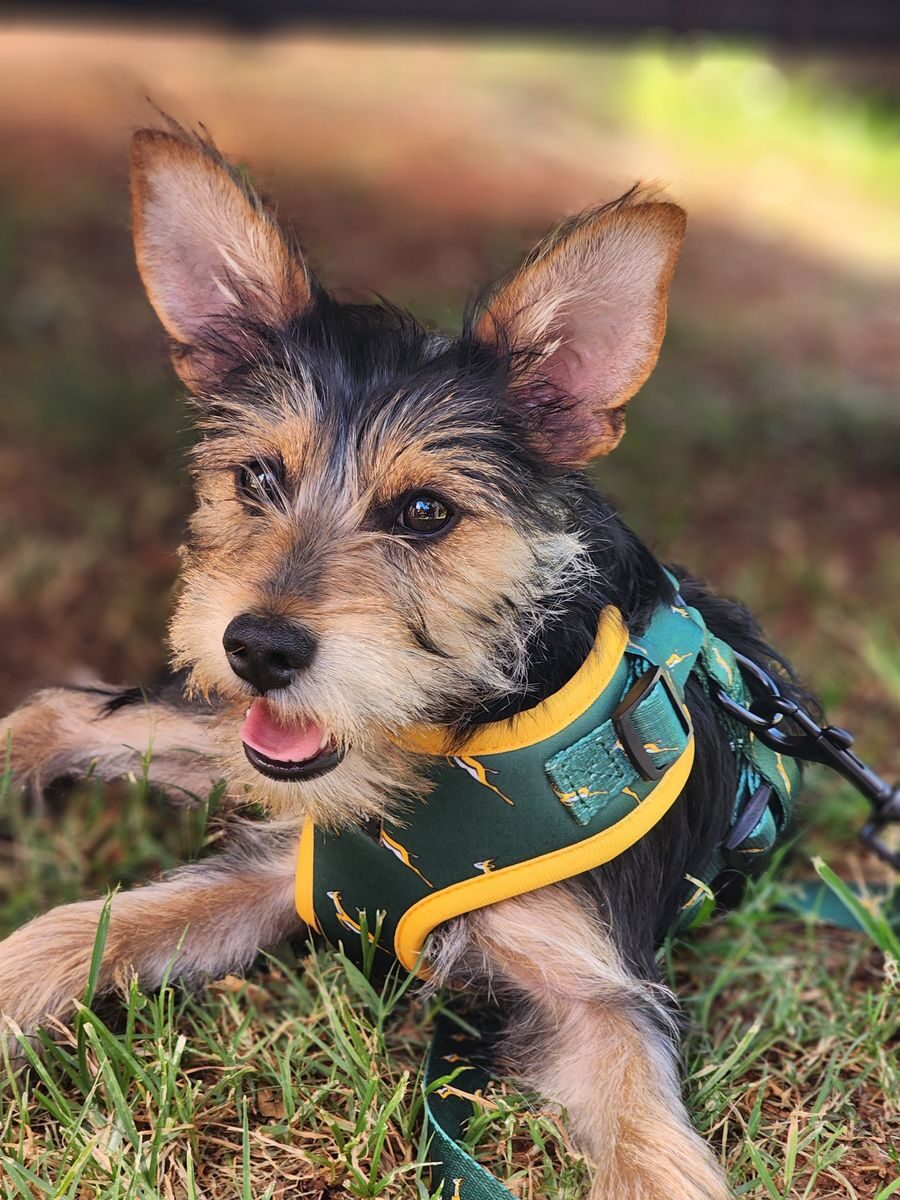
Choosing the Right Harness for Your Vancouver Dog
Ah, harnesses. That little piece of equipment that transforms a simple walk into a necessary procedure for many Vancouver dog owners. While we all started out thinking collars were enough, we quickly learned that harnesses offer significant advantages, especially in our unique city environment.
What’s the Big Deal with a Harness Anyway?
Think about it: a collar sits high on the neck, putting pressure on the trachea (windpipe) and esophagus when you pull on the leash. This can be uncomfortable, even painful, especially for smaller breeds or dogs with sensitive throats. A harness distributes pulling pressure across the chest and shoulders, making walks more comfortable and reducing strain.
Harnesses vs. Collars: Vancouver’s Reality Check
- Leash Pulling: Strong currents, enthusiastic greetings, or just the sheer joy of freedom can lead to pulling. A harness handles this much better.
- Brachycephalic Breeds: Our furry friends with short noses (Labradors, Golden Retrievers, mixes) can be more susceptible to respiratory issues. Harnesses reduce neck pressure, making walks easier for them.
- Idaho (Our Four-Legged Friend): Especially younger dogs or those still learning leash manners, a harness is less likely to cause them to gag or choke if they accidentally take a big yank.
- Microchips: Many municipal pounds and shelters use collars, but they can easily fall off. A properly fitted harness is a much more reliable way to ensure your dog’s microchip is accessible if they get lost.
- Identification Tags: While collars have tags, tags can come off. A harness provides a secure base, and you can often attach tags directly to the harness straps.
Types of Harnesses: Finding Your Fit
Not all harnesses are created equal. The main types are:
1. Collar Harnesses (The Classic)
- What they are: These have a collar-style component around the neck and then attach to a strap under the chest.
- Pros: A familiar style, often more affordable, provides some neck security.
- Cons: Still puts pressure on the neck, less effective for severe pulling compared to chest harnesses.
- Vancouver Consideration: Good for mild pulling or as a transitional item, but consider a chest harness if pulling is a significant issue or for very sensitive necks.
2. Chest Harnesses (The Go-To for Vancouver)
- What they are: These are the harnesses that distribute pressure primarily across the chest. They come in various designs:
- Standard Chest Harness: Simple, effective, the workhorse of dog walking.
- Front-Clip Harness: Clip the leash through loops on the chest strap. This is excellent for dogs that pull HARD. It shifts the weight forward, making pulling feel uncomfortable. Many Vancouver dog walkers swear by these!
- Back-Clip Harness: The leash attaches to the back strap. More common, but less effective against pulling.
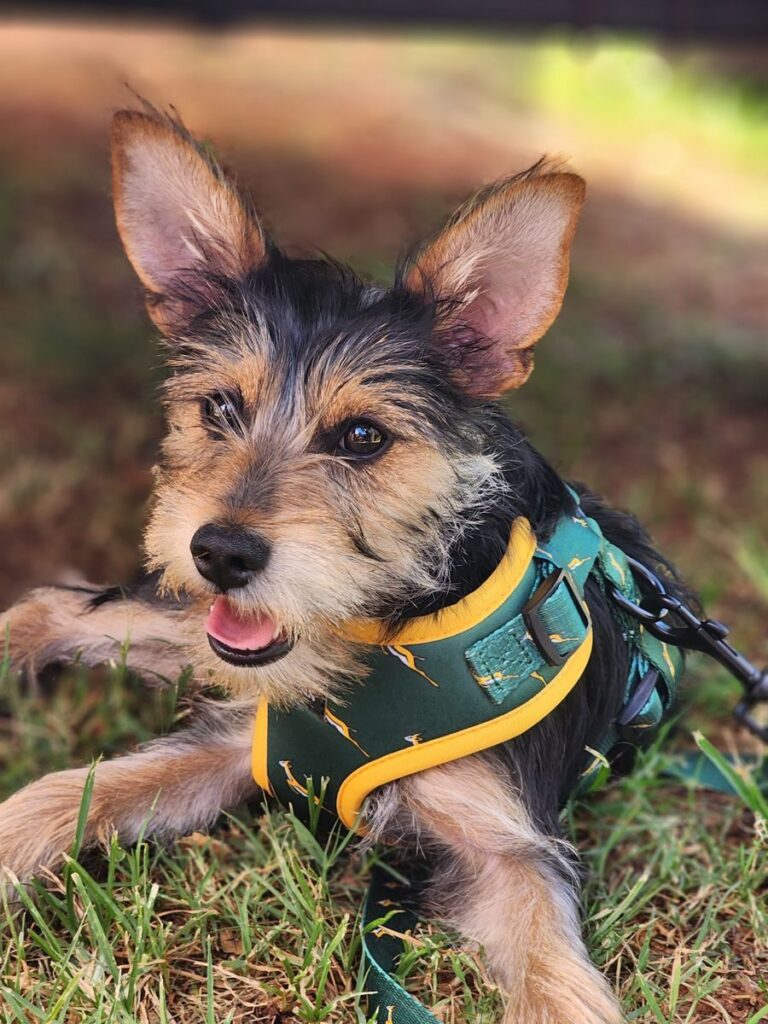
- Adjustable Chest Harnesses: Crucial! These allow you to fine-tune the fit as your dog grows.
- Pros: Best for minimizing neck strain, most effective against pulling, comfortable for most dogs.
- Cons: Can feel restrictive if too tight, less common (but still widely available) than collars.
- Vancouver Consideration: Highly recommended for most dogs, especially those that pull, are sensitive-necked, or walk in busy urban areas like Vancouver. The Front-Clip is particularly useful here.
3. Specialized Harnesses (For Specific Needs)
- Hiking/Trekking Harnesses: Often have wider panels for comfort during longer walks, sometimes include pockets, and may have a seatbelt-style closure for extra security. Useful if you tackle long Vancouver hikes.
- Therapeutic/Support Harnesses: Designed for dogs with mobility issues, often with extra padding or specific cutouts. Consult your vet if your dog needs one.
- Hiking Harnesses: Good for walks where you might need to carry your dog, or for dogs that need extra security.
Sizing and Fit: It’s Not Just About the Size Tag
This is arguably the most crucial step! Never rely solely on the size written on the harness. Dogs come in all shapes and sizes, and the correct fit can make or break the walking experience.
How to Measure Your Dog Correctly
- Neck: For collar harnesses, measure the circumference where the collar would sit naturally, usually under the jaw but above the mane (if applicable). For chest harnesses, measure the widest part of the chest, just behind the front legs, ensuring you can comfortably slide two fingers under the straps.
- Chest: For chest harnesses, measure the widest part of the chest, just behind the front legs. This is often the most important measurement. Ensure the harness sits comfortably, allowing your dog to pant, drink, and lie down without restriction. You should be able to slide two fingers comfortably under each strap.
Checking the Fit
Once you have the measurements, put the harness on your dog:
- Strap Placement: The harness should sit low on the chest, not pulling up the belly. The straps should not dig in.
- Comfort: Does your dog seem comfortable? Do they try to remove it? If they dislike wearing it, they won’t associate walks with fun.
- Movement: Can your dog raise their front legs without the harness pulling up? Can they move freely? No restriction is needed for leashes, but it shouldn’t interfere with natural movement.
- Breathing: Check that the harness doesn’t constrict the chest or throat area.
- Microchip Access: Ensure the microchip is still accessible if needed.
Features to Consider for Vancouver Walks
- Reflective Elements: Essential for walking in low-light conditions (dusk, dawn, overcast days). Many harnesses have built-in reflective tape, or you can add clip-on reflective bands.
- Water Resistance: While not a guarantee against getting wet in Vancouver’s rain, some harnesses are made with water-resistant materials which can be easier to clean and dry. Not a huge priority for most, but nice to have.
- Material: Look for soft, durable, and breathable fabrics. Nylon and polyester are common. Avoid harnesses with rough seams that can irritate the skin.
- Closure: Ensure the buckle or D-ring is sturdy and easy to use, even with gloves on during cold Vancouver winters.
- Small Canadian Makers: Support local businesses! Many excellent harnesses are designed and made by small Canadian companies, often focusing on quality and comfort. Look for brands known for thoughtful design.
Beyond the Harness: Making Harness Time Positive
Even with the perfect harness, the goal is for your dog to enjoy walks. Introduce the harness gradually. Let your dog sniff it, wear it around the house briefly (with lots of praise), and associate it with positive experiences like playtime or a quick treat before every walk. Consistency and positive reinforcement are key.
Trying Before Buying
If possible, try on harnesses in person before purchasing, especially if you can do it with your dog present. This ensures the best fit and allows you to see how your dog reacts. Many pet stores and some independent Vancouver pet retailers offer this service.
The Bottom Line
Choosing the right harness for your Vancouver dog is an investment in their comfort, safety, and enjoyment of walks. By understanding harness types, measuring accurately, checking the fit, and considering features relevant to our city’s environment, you can find the perfect match. Happy walking, Vancouver!