In this story
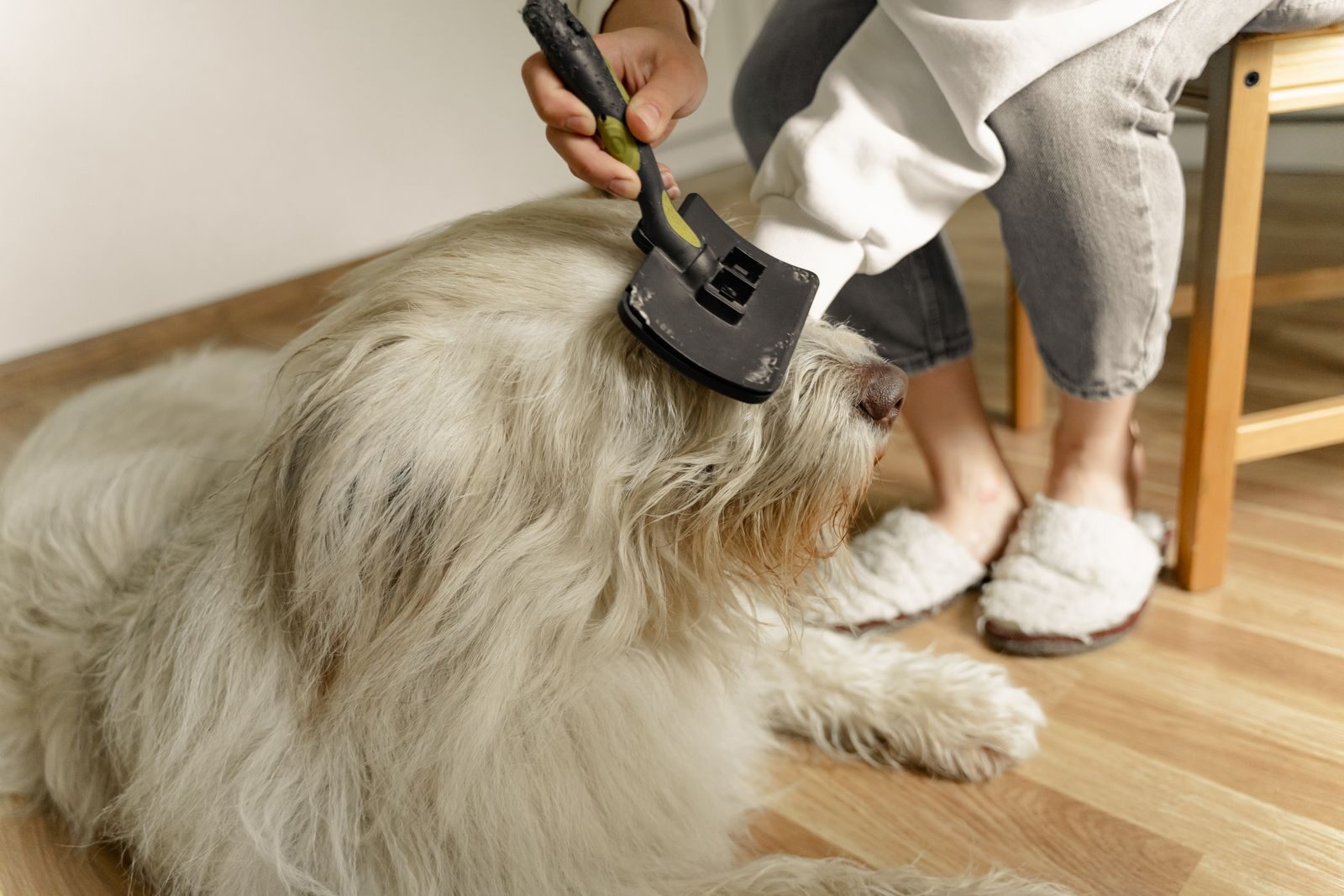
Managing Your Brampton Dog’s Shedding Effectively
Owning a dog in Brampton brings immense joy, but it also comes with the reality of shedding. Whether you’re dealing with a fluffy Golden Retriever or a sleek Greyhound, hair loss is a natural part of your canine companion’s life cycle. While you can’t completely stop shedding, there are many effective ways to manage it and keep your Brampton home looking and feeling more comfortable. This guide offers practical, budget-friendly tips tailored for local dog owners.
Understanding Canine Shedding
Before diving into solutions, it’s helpful to understand why dogs shed. Shedding is the process by which dogs (and other mammals) lose their hair. It’s essential for thermoregulation – helping them cool down in warmer months and insulate them in colder weather. Most dogs experience two main shedding seasons: one in the spring when they shed their thick winter coat, and one in the fall as they prepare for summer.
The amount a dog sheds depends on several factors:
- Breed: Double-coated breeds (like German Shepherds, Huskies, and Shih Tzus) often shed more significantly than single-coated breeds.
- Coat Type: Long-haired breeds require more grooming to manage shedding, while short-haired breeds may shed more constantly but in finer amounts.
- Breed Genetics: Some breeds simply shed more than others.
- Health: A healthy coat sheds less effectively, as a dog’s body sheds what it doesn’t need. Certain health issues can also cause abnormal shedding.
- Age: Younger dogs might shed more as their coat is still developing, while older dogs might experience changes.
Factors Influencing Shedding in Brampton
Brampton’s climate, with distinct seasons, plays a role in your dog’s shedding patterns. The transition from winter to spring can bring a noticeable increase in hair loss as your dog prepares for the warmer months. Similarly, the fall transition is also significant. Being aware of these seasonal changes can help you anticipate and manage shedding more effectively.
Grooming: The Cornerstone of Shedding Management
Regular grooming is often the most effective way to manage shedding. Here’s how to approach it:
Brushing is Essential
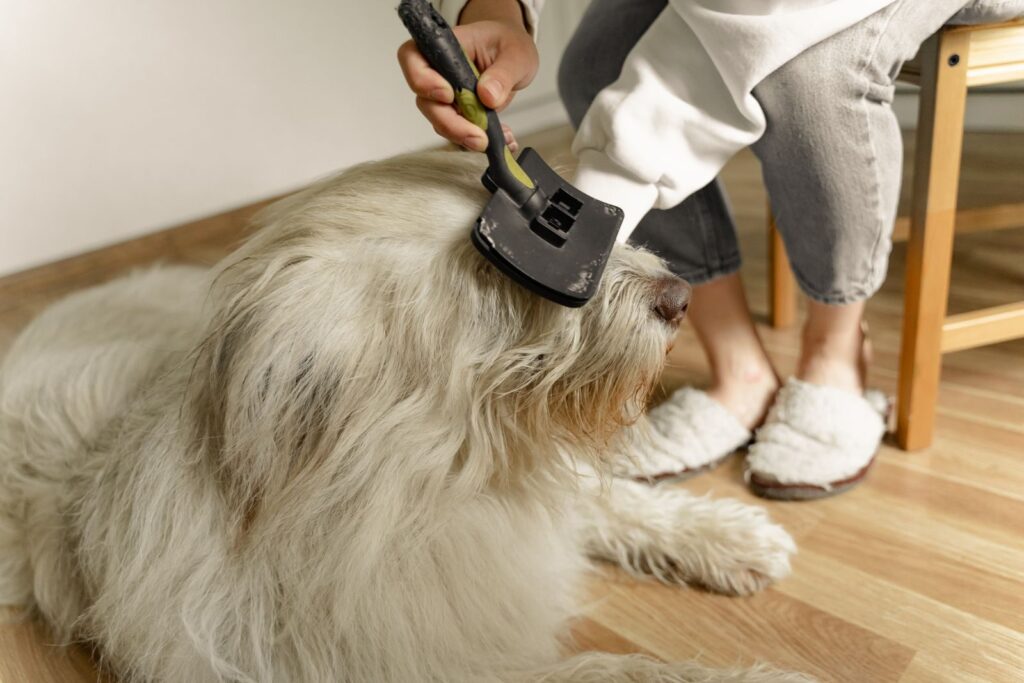
- Frequency: The key is regular brushing. The ideal frequency depends on your dog’s breed and coat type. Long-haired dogs may need daily brushing to prevent mats and remove loose hair. Medium and short-haired breeds might need brushing 2-3 times weekly.
- Tools: Use the right brush or comb for your dog’s coat type:
- Slicker brushes or pin brushes work well on most coats.
- Deshedding tools (like the Furminator) can be very effective, especially on double coats.
- Bristle brushes are good for waterless grooming.
- Technique: Be gentle but thorough. Work through the coat in the direction of the hair growth, paying extra attention to areas prone to heavy shedding like the belly, back, and tail.
- When: Many owners find it easier to brush their dog before a bath, as wet fur is easier to manage.
Professional Grooming
- Regular visits to a professional groomer in Brampton can help manage heavy shedding, especially for double-coated breeds.
- Professional grooming includes thorough brushing, nail trimming, and often includes ear cleaning and anal gland expression.
- Consider finding a local, reputable groomer familiar with your dog’s specific needs.
Bathing
- While brushing is primary, bathing can help remove loose hair and distribute natural skin oils.
- Use a dog-specific shampoo that suits your dog’s skin type (hypoallergenic if sensitive). Avoid frequent bathing, as this can strip natural oils and potentially worsen shedding.
- Consider adding a monthly or bi-monthly conditioning treatment to help detangle fur and reduce static.
Regular Nail Trimming
Overgrown nails can cause discomfort and sometimes lead to mats, which trap hair and increase shedding. Regular trims also help keep the feet comfortable, which indirectly supports overall health and potentially reduces excessive shedding.
Environmental Management: Controlling Shedding Around Your Home
No matter how well you groom, some hair will inevitably make its way into your home. Here’s how to minimize the impact:
Tools for the Home
- Vacuum Cleaner: Invest in a good vacuum cleaner with an upholstery attachment. Vacuums are incredibly effective at picking up pet hair from floors, furniture, and car seats. Look for models with a pet hair setting or a HEPA filter.
- Furniture Covers: Covers for sofas and chairs can significantly reduce the amount of hair embedded in your upholstery. Many local pet stores in Brampton carry these.
- Furniture Protectors: Similar to covers, these make cleaning easier.
- Lint Roller or Grooming Glove: These handy tools can quickly remove stray hairs from clothing and surfaces.
- Furry Broom or Stick: A stiff-bristled brush can loosen hair from hard floors before vacuuming.
Regular Cleaning Routine
- Vacuum Frequently: Especially in high-traffic areas and where your dog spends most of the time.
- Wipe Down Surfaces: Wipe down furniture, stairs, and doorways regularly with a damp cloth or pet-safe cleaning solution.
- Wash Bedding Often: Wash your dog’s bed, your own bedding, and any blankets frequently in hot water.
- Brush Outside: If your dog spends time outside, brush them down regularly to remove loose hair before it spreads indoors.
Air Ducts and Filters
Dogs shed a lot of hair, and it can end up in your HVAC system. Regularly cleaning or replacing air filters can help capture some hair. Some homeowners opt for professional duct cleaning annually, though regular vacuuming is usually sufficient for most Brampton homes.
Diet and Health: Supporting a Healthy Coat
A dog’s diet plays a crucial role in coat health and shedding levels:
Nutrition is Key
- Quality Food: Feed your dog a high-quality dog food that contains appropriate levels of omega fatty acids (especially omega-3 and omega-6). These are essential for a healthy skin and coat.
- Protein: Ensure adequate protein in their diet, as hair is made of protein.
- Consult Your Vet: If you notice sudden, excessive shedding or patches of thinning fur, consult your Brampton veterinarian. This could indicate an underlying health issue, such’t just poor diet.
Hydration
Clean, fresh water at all times helps with overall bodily functions, including skin health.
When to Seek Professional Help
While most shedding is normal, you should consult your veterinarian if you notice:
- Sudden, significant increase in shedding
- Hair loss in patches
- Red, irritated, or flaky skin
- Changes in coat texture or greasiness
- Excessive licking or chewing around the base of the tail or abdomen
These symptoms could indicate allergies, skin infections, parasites, hormonal issues, or other health problems.
Final Thoughts: Living with a Shedding Dog in Brampton
Managing shedding is an ongoing process that requires patience and consistent effort. By implementing regular grooming, maintaining a clean home environment, and ensuring your dog receives proper nutrition, you can significantly reduce the amount of hair around your Brampton home. Remember to be gentle with your dog during grooming sessions and to consult your local veterinarian if you have concerns about your dog’s coat health. Embracing our furry friends means embracing their natural shedding, but with these strategies, you can make your Brampton living space much more comfortable and fur-free.
Related posts:
 Keep Your Dog Comfortable: Understanding and Managing Fall Allergies in Brampton
 Brampton Dog Owners: Keeping Your Pup Comfortable in Cold Weather
 Finding Your Perfect Brampton Condo Companion: Ideal Dog Breeds for Apartment Living
 Gentle Walks and Warm Beds: Why Senior Dogs Need Special Care in Brampton
 Best Dog Breeds for First-Time Owners in Brampton