In this story
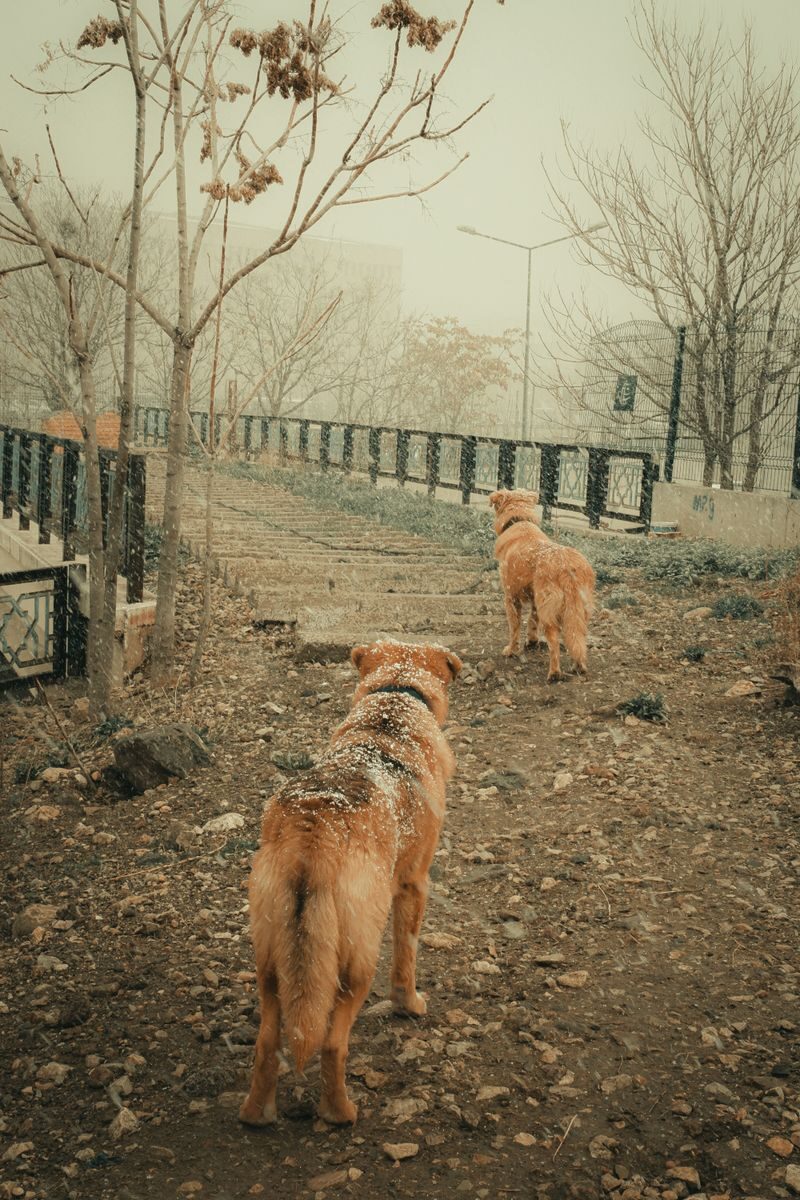
More Than Just a Schedule: Why Your Ottawa Dog Needs a Routine
As a proud dog owner in Ottawa, you understand that providing the best for your canine companion is a priority. While toys, walks, and treats are essential, there’s something equally fundamental that often goes overlooked: the daily routine. Think of it not just as a timetable, but as a framework for your dog’s well-being. In the unique environment of our Canadian capital, where seasons change dramatically and schedules can be busy, establishing a consistent routine for your dog can make a significant difference to their physical and mental health.
What Exactly Is a Routine?
A routine is simply a planned sequence of activities that occur at regular intervals. For dogs, this translates to consistency in their daily schedule. This doesn’t mean rigidly sticking to the same second-by-second timetable every day, but rather having core elements consistently placed throughout the day. Think about the times your dog eats, goes outside, receives training or playtime, rests, and potentially sleeps.
The Core Benefits: Predictability and Security
Dogs, descendants of wolves, are creatures of habit and thrive on predictability. Their natural instincts are geared towards recognizing patterns and understanding what comes next. In the wild, routine ensures safety and resource availability. This principle carries over beautifully to our domesticated companions.
- Reduced Anxiety and Stress: Knowing what to expect helps alleviate anxiety. Sudden changes in schedule, environment, or people can be unsettling for dogs, leading to stress, fear, and even behavioral issues. A consistent routine provides a security blanket, helping your dog feel safe and less reactive to unpredictable events.
- Improved Mental Well-being: Dogs have limited attention spans and need mental stimulation. A routine incorporates regular opportunities for exercise, play, training, and rest. This structure prevents boredom, which can lead to destructive chewing, excessive barking, or excessive licking. It provides a sense of purpose and accomplishment when tasks like walks or training sessions are successfully completed.
- Enhanced Training: Consistency is key in dog training. Using a routine allows you to practice commands and reinforce good behavior at predictable times. For example, if you always practice “sit” before mealtime, your dog learns to associate that signal with food-related cues. This predictability makes learning more effective and less confusing.
- Better House Training: Especially during housetraining, a routine is crucial. Dogs need to learn bathroom breaks based on their age, breed, and individual bladder control. Taking your dog outside at specific times (first thing in the morning, after meals, before bed, and during long indoor sessions) helps them learn this essential skill more quickly and reliably. The routine teaches them when it’s time to go, reducing accidents inside.
- Improved Physical Health: A routine ensures regular exercise and proper nutrition. Knowing when meals are served encourages healthy eating habits. Consistent meal times can also help manage portion control and prevent overeating. Scheduled exercise through walks or playtime ensures your dog maintains a healthy weight and gets the necessary physical activity for their breed and age.
- Better Sleep: Dogs need substantial sleep, and a consistent bedtime is part of their routine. A regular sleep schedule helps regulate their internal clock, leading to better quality sleep for both you and your dog. A tired dog is often a well-behaved dog.
Practical Tips for Establishing a Routine in Ottawa
Creating a routine doesn’t have to be overly complex or inflexible. Start with the basics and adapt it to your lifestyle.
H3: 1. Core Elements to Include
- Feeding Times: Schedule two meals a day at consistent times unless your dog is on a different feeding plan. Use Ottawa’s local grocery stores or pet-friendly cafes for quality food.
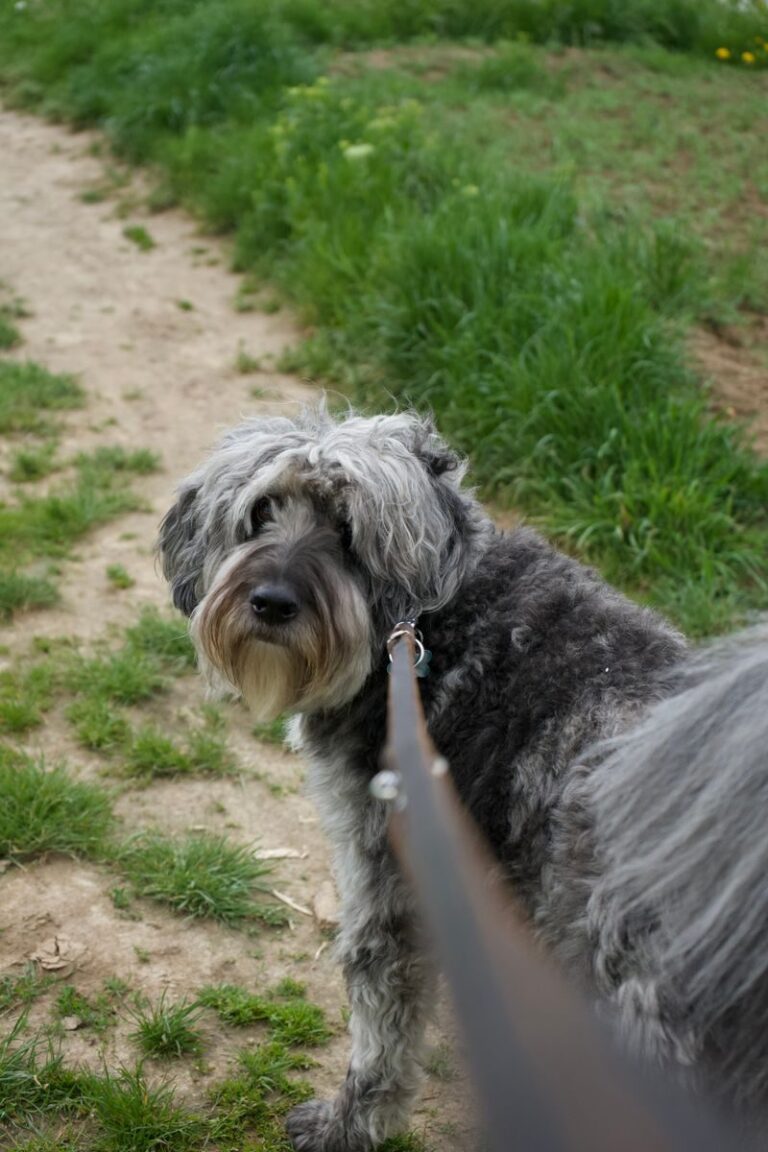
- Scheduled Walks: Plan for morning and evening walks. Consider the season and weather in Ottawa – a brisk walk in Vankleek Hill in the summer or a cozy indoor game in Kanata during winter are both part of the routine. Consistency in timing (e.g., always after breakfast) helps your dog know it’s time to go out.
- Training Sessions: Dedicate short, regular training sessions. This could be basic obedience, command training, or even puzzle toys at places like Parcs Canada sites. Keep them positive and fun.
- Rest and Quiet Time: Ensure your dog has a designated quiet space for rest. This could be part of your home, perhaps near a window with a view of Ottawa landmarks or simply a comfortable bed. A consistent downtime routine helps with relaxation and sleep.
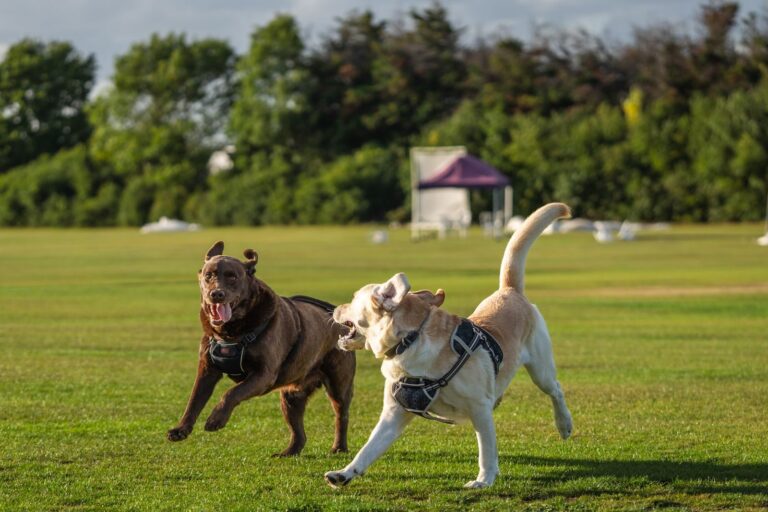
- Playtime: Schedule playtime with you or other dogs at designated parks like Parcs Canada or local dog parks (following safety guidelines). This is crucial for socialization and mental stimulation.
H3: 2. Adapting Your Routine
Life happens, especially in a vibrant city like Ottawa. Don’t expect perfection.
- Flexibility: Allow for some flexibility, especially on weekends or during holidays. If your dog knows there’s a slight change, they’ll adapt better. Don’t stress too much if you’re a few minutes late occasionally.
- Gradual Changes: If you need to make significant changes (like a vacation or a work-from-home schedule), do it gradually. Adjust one part of the routine at a time.
- Listen to Your Dog: Pay attention to your dog’s individual needs. Some dogs might need more exercise or mental stimulation than others, adjust the routine accordingly.
H3: 3. The Role of Environment
Ottawa offers diverse environments, from the urban core to cottage country. Your routine can incorporate these.
- Weather Considerations: Adjust outdoor activities based on Ottawa’s seasons. Winter walks might be shorter but more frequent, while summer walks can be longer. Ensure your dog has proper protection from cold or heat.
- Local Resources: Utilize well-known public spaces like parcs or community centres for walks and playdates. Consistently visiting the same areas can help your dog feel comfortable.
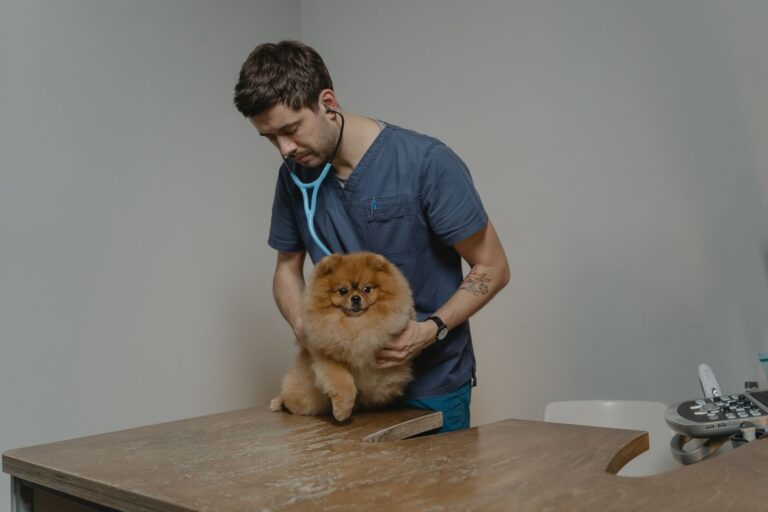
- Veterinary Care: Schedule vet appointments as part of the routine, ensuring your dog receives regular check-ups at reputable Ottawa veterinary clinics.
H3: 4. Tailoring the Routine to Your Dog’s Needs
Not all dogs need identical routines.
- Age Matters: Puppies require more frequent feedings, potty breaks, and sleep. Their routine is more frequent but still needs structure. Adult dogs and seniors have different energy levels and needs.
- Energy Levels: High-energy breeds might need more playtime and walks, while calmer breeds might prefer shorter, more relaxed activities. Tailor the “playtime” part of the routine to fit your dog’s personality.
- Temperament: Some dogs thrive on strict schedules, others prefer more freedom within a general framework. Observe your dog and adjust the routine to support their natural inclinations.
H3: 5. The Owner’s Role
Establishing a routine for your dog is also about establishing one for yourself.
- Consistency Takes Effort: Following through is key. Try to stick to the schedule as much as possible.
- Patience and Positivity: Introduce changes gradually and maintain a positive attitude. Reward your dog for adapting well.
- Quality Time: A routine isn’t just about tasks; it’s about building a bond. Make the positive interactions (walks, play, training) part of the routine to strengthen your connection.
Beyond the Obvious: How Routine Affects Your Entire Family
When your dog feels secure and less stressed due to a consistent routine, it positively impacts your household. Less anxiety-related behavior means less cleaning up (or dealing with accidents!). Well-rested dogs are often calmer companions. A well-trained dog integrated into a routine is easier to manage. This sense of order extends to the pet-parent’s well-being too – knowing you’re providing structure for your dog can reduce your own stress.
Conclusion: Building a Better Ottawa
In the heart of our nation’s capital, providing a stable environment for your dog is essential. A well-established routine isn’t about micromanaging every second of your dog’s day, but about creating a predictable structure that supports their physical health, mental well-being, and behavioral harmony. By incorporating consistent feeding, walks, training, and rest periods into your daily life, you’re not just setting the schedule; you’re building a foundation for a happy, healthy, and well-adjusted canine companion. So, grab a calendar – you and your dog will thank you.